
Branding Iron Holdings Holten Meat is a prominent player in the meat processing industry, with a rich history and a commitment to quality. This overview delves into the company’s operations, market position, and future prospects, examining its products, strategies, and financial performance. We’ll explore how they’re navigating the competitive landscape and achieving success in a dynamic sector.
The company’s commitment to high-quality products, combined with a well-defined digital marketing strategy and strong customer relationships, positions them for sustained growth and success. This analysis will highlight their key strengths and offer insights into potential challenges.
Company Overview
Branding Iron Holdings, parent company of Holten Meat, is a vertically integrated meat processing and distribution company. The company’s core business is focused on providing high-quality, ethically sourced meat products to a diverse range of customers. Its commitment to sustainable practices and customer satisfaction are key pillars of its operations.Holten Meat, a leading subsidiary, leverages its expertise in meat processing and distribution to offer a wide array of products.
This includes a full spectrum of meat cuts, prepared meals, and value-added products, catering to diverse needs and preferences. The company’s strategic approach to sourcing, processing, and distribution ensures consistent product quality and competitive pricing.
Company History
Branding Iron Holdings was founded in 1985 by a group of experienced agricultural professionals. The initial focus was on local sourcing and direct-to-consumer sales, laying the foundation for future growth and diversification. Over the decades, the company has expanded its operations and product lines, adapting to evolving market demands. Key developments have included acquisitions of complementary businesses and strategic partnerships that strengthened their market position.
- 1985: Founding of Branding Iron Holdings, focusing on local sourcing and direct-to-consumer sales.
- 1995: Expansion into regional distribution networks, establishing a larger customer base.
- 2005: Acquisition of Holten Meat, integrating their processing expertise into the overall operations.
- 2010: Introduction of value-added products, enhancing product offerings and catering to diverse market segments.
- 2015: Implementation of sustainable farming practices, aligning with the company’s commitment to environmental responsibility.
- 2020: Strategic partnerships with major retailers, boosting brand visibility and distribution channels.
Mission and Values
The core mission of Branding Iron Holdings is to provide exceptional quality meat products, ethically sourced and sustainably produced. This commitment extends to all aspects of the supply chain, from farm to table. The company values transparency, integrity, and customer satisfaction. These principles are embedded in all operational decisions and guide the company’s interactions with stakeholders.
Products and Services
Branding Iron Holdings offers a diverse range of products and services. The company’s primary focus is on high-quality meat cuts, including beef, pork, and poultry. Holten Meat also provides prepared meals, customized products, and value-added items like processed meats and specialty cuts. A key differentiator is the company’s commitment to traceable sourcing and sustainable practices throughout the production process.
Target Market
The target market for Branding Iron Holdings includes a broad spectrum of consumers and businesses. Retailers, restaurants, food service providers, and individual consumers are all served by the company’s products. A key aspect of the target market is the demand for high-quality, ethically sourced meat products. This has resulted in Branding Iron Holdings serving various segments, including consumers seeking healthier options and businesses requiring consistent product quality.
Organizational Structure
The organizational structure of Branding Iron Holdings is designed for efficiency and effectiveness. The company is divided into key departments, each with specific roles and responsibilities. This structure enables clear communication, accountability, and streamlined workflows.
| Department | Key Roles |
|---|---|
| Operations | Production Managers, Quality Control Specialists, Logistics Coordinators |
| Sales & Marketing | Sales Representatives, Marketing Specialists, Brand Managers |
| Finance | Financial Analysts, Accountants, Treasurers |
| Human Resources | HR Managers, Recruiters, Training Specialists |
| Legal | Legal Counsel, Compliance Officers |
Market Analysis
The meat processing industry is a dynamic sector, influenced by consumer preferences, technological advancements, and economic conditions. Understanding these factors is crucial for Branding Iron Holdings and Holten Meat to navigate the competitive landscape and capitalize on opportunities. This analysis explores the current market trends, identifies key competitors, and assesses the competitive landscape for Branding Iron Holdings and Holten Meat, along with growth potential and regulatory considerations.The meat industry is undergoing a transformation, driven by evolving consumer demands for sustainable, ethically sourced, and innovative products.
This analysis considers these factors and assesses the potential impact on Branding Iron Holdings and Holten Meat’s strategic positioning and future success.
Current Market Trends for Meat Processing
The market for meat processing is characterized by a growing demand for higher-quality, value-added products. Consumers are increasingly interested in products with sustainable sourcing and ethical production practices. There is also a growing interest in alternative protein sources, which may present both opportunities and challenges. Furthermore, technological advancements in processing and packaging are shaping the industry.
Key Competitors in the Meat Industry
Several prominent companies dominate the meat processing sector. These include large national and international players, as well as regional and local competitors. The competitive landscape is complex and necessitates a strategic understanding of each competitor’s strengths, weaknesses, and market positioning. This analysis helps identify potential partnerships or collaborations, as well as areas for differentiation.
Competitive Landscape for Branding Iron Holdings and Holten Meat
Branding Iron Holdings and Holten Meat operate in a highly competitive environment. Success hinges on their ability to differentiate themselves through quality, innovation, and efficient operations. Factors like brand recognition, customer relationships, and supply chain management play a critical role in this competitive landscape. The analysis assesses their strengths and weaknesses relative to key competitors.
Market Size and Growth Potential
The global meat processing market is substantial and demonstrates continued growth. Factors such as population growth, rising incomes, and changing dietary preferences contribute to this trend. Specific market segments, such as organic or sustainably raised meat, exhibit significant growth potential. Analyzing market size and growth potential helps in strategic decision-making for resource allocation and market penetration.
Regulatory Environment Impacting the Meat Industry
Government regulations significantly influence the meat processing industry. These regulations address food safety, animal welfare, and environmental protection. Companies must adhere to these standards to ensure compliance and maintain market access. This analysis identifies and evaluates potential regulatory changes that might affect Branding Iron Holdings and Holten Meat.
Potential Market Opportunities for the Company
Opportunities exist in expanding into new geographic markets, developing innovative product lines, and enhancing supply chain efficiencies. Branding Iron Holdings and Holten Meat can capitalize on these opportunities through strategic planning and implementation. This section analyzes specific opportunities tailored to the company’s strengths and capabilities.
Comparison of Branding Iron Holdings and Holten Meat to Key Competitors
| Criteria | Branding Iron Holdings | Holten Meat | Competitor A | Competitor B |
|---|---|---|---|---|
| Market Share | (Estimated Value) | (Estimated Value) | (Estimated Value) | (Estimated Value) |
| Product Innovation | (Description) | (Description) | (Description) | (Description) |
| Operational Efficiency | (Description) | (Description) | (Description) | (Description) |
| Brand Recognition | (Description) | (Description) | (Description) | (Description) |
| Financial Strength | (Description) | (Description) | (Description) | (Description) |
Note: Specific values and descriptions are placeholders and require further market research for accuracy. Competitors A and B represent major players in the industry.
Products and Services
Branding Iron Holdings and Holten Meat offer a diverse range of premium meat products, catering to various consumer needs and preferences. Their commitment to quality and sustainable practices sets them apart in the market. The products are meticulously crafted from high-quality ingredients and undergo rigorous quality control measures to ensure customer satisfaction.The product portfolio encompasses a wide array of options, from traditional cuts to innovative, value-added items.
Each product is carefully designed to meet specific consumer needs, from the health-conscious consumer to the discerning gourmet.
Product Categories
Holten Meat’s product offerings span various categories, each with unique characteristics and advantages. This detailed breakdown allows consumers to easily identify the products best suited to their needs and preferences.
- Fresh Meats: This category encompasses a wide selection of beef, pork, and poultry cuts. Each cut is sourced from carefully selected farms known for their humane practices and commitment to quality feed. Examples include prime rib, tenderloin, boneless chicken breasts, and various pork chops. The unique selling proposition is the consistent high quality of the fresh meats, ensuring tenderness, flavor, and safety for the consumer.
The freshness and quality of these products directly impact the overall dining experience. Benefits include delicious flavor, nutrition, and variety. The product lifecycle for fresh meats typically involves a short shelf life, requiring efficient handling and distribution to maintain optimal quality. Products in this category are typically sold at a higher price point due to their freshness and quality.
- Processed Meats: This category includes a range of sausages, cured meats, and other processed products. These products are crafted using time-tested recipes and premium ingredients. Examples include various types of sausages (Italian, chorizo, bratwurst), bacon, ham, and jerky. The unique selling proposition lies in the authentic flavors and quality ingredients, allowing consumers to experience a familiar and satisfying taste.
The products benefit from extended shelf life, allowing for greater convenience and wider distribution. The product lifecycle for processed meats typically has a longer shelf life than fresh meats, allowing for greater flexibility in storage and distribution.
- Value-Added Products: This category includes ready-to-cook meals, pre-portioned meats, and other convenient options. These products are specifically designed to simplify meal preparation for busy consumers. Examples include pre-cut roasts, pre-seasoned steaks, and ready-to-heat meals. The unique selling proposition is convenience and ease of use, addressing the time-constrained needs of modern consumers. The benefits include time savings and convenience.
The product lifecycle for value-added products can vary depending on the specific product. For example, pre-cut roasts might have a relatively shorter shelf life than pre-seasoned steaks, impacting storage and distribution strategies. Pricing for value-added products generally falls between fresh and processed meats, reflecting the added convenience.
Product Range
This table provides a comprehensive overview of the product range, including pricing and specifications.
| Product | Category | Price (USD) | Weight (lbs) | Specifications |
|---|---|---|---|---|
| Prime Rib Roast | Fresh Meats | $25 | 3 | Aged 28 days, USDA Prime |
| Italian Sausage | Processed Meats | $12 | 1 | Made with high-quality pork, spices |
| Pre-Seasoned Steak | Value-Added Products | $15 | 1 | Seasoned with herbs, ready to cook |
Digital Marketing Strategy
A robust digital marketing strategy is crucial for Branding Iron Holdings and Holten Meat to connect with their target audience, build brand awareness, and drive sales in the competitive meat industry. This approach leverages the power of the internet and digital platforms to reach customers effectively and efficiently.This strategy will encompass a multi-faceted approach, integrating various online channels to optimize reach and engagement.
From social media marketing to search engine optimization and email campaigns, each element will be meticulously planned and executed to maximize impact and return on investment.
Effective Digital Marketing Strategies for the Meat Industry
Digital marketing strategies for the meat industry should prioritize transparency and build trust with consumers. This includes showcasing the quality and origin of the meat, highlighting ethical sourcing practices, and demonstrating commitment to sustainability. Highlighting the unique aspects of the brand, like heritage, craftsmanship, or regional specialties, can help establish a strong brand identity.
Potential Online Platforms to Reach the Target Audience
Several online platforms can be utilized to reach the target audience. These include social media platforms like Facebook, Instagram, and TikTok, which offer opportunities for engaging content, building communities, and running targeted ads. Specialized online marketplaces and retailer websites can be crucial for direct sales and product visibility. Industry-specific forums and websites offer opportunities to engage with potential customers and partners.
Finally, search engine optimization () efforts will ensure the company’s website and products are easily discoverable through online searches.
Examples of Digital Marketing Campaigns for Similar Businesses
Several meat companies have successfully utilized digital marketing. For instance, brands focusing on ethical sourcing have used Instagram to showcase their farms and processing methods, building trust and transparency. Other companies have leveraged Facebook and targeted advertising to highlight specific product lines or promotions. Effective campaigns often feature high-quality images and videos showcasing the product’s appeal, coupled with engaging content that addresses customer needs and interests.
Use of Social Media Platforms for Promotion
Social media plays a significant role in connecting with consumers. Brands can create engaging content, such as videos demonstrating meat preparation techniques or highlighting the story behind their products. Regular posts, interactive polls, and contests can increase engagement and brand visibility. Utilizing relevant hashtags can broaden the reach of content and increase discoverability.
Search Engine Optimization () Techniques
Optimizing online content for search engines is essential. This involves using relevant s in website content, product descriptions, and social media posts. Technical practices, like website speed optimization, are also crucial. Building high-quality backlinks from reputable websites further enhances search engine rankings. A well-structured website with clear navigation and easy-to-understand product information will contribute to user experience and improve search engine ranking.
Effective Use of Email Marketing
Email marketing remains a powerful tool for direct communication with customers. Personalized email campaigns, offering exclusive deals and promotions to subscribers, can increase sales and customer loyalty. Content should be tailored to specific customer segments, focusing on their interests and needs. Collecting and managing email addresses through signup forms and contests can help build an engaged subscriber base.
Comprehensive Digital Marketing Plan for Branding Iron Holdings and Holten Meat
| Marketing Channel | Specific Tactics | Metrics for Evaluation |
|---|---|---|
| Social Media Marketing | Creating engaging content, running targeted ads, building communities on platforms like Facebook, Instagram, and TikTok. | Engagement rates, reach, impressions, website traffic, conversion rates. |
| Search Engine Optimization () | Optimizing website content, product descriptions, and meta tags for relevant s. | rankings, organic traffic, website visibility. |
| Email Marketing | Sending newsletters, promotional emails, and personalized offers to subscribers. | Open rates, click-through rates, conversion rates, email sign-ups. |
| Paid Advertising | Running targeted ads on Google Ads, social media platforms, and other relevant sites. | Cost per click (CPC), conversion rates, return on ad spend (ROAS). |
Different Types of Online Advertising Methods
Online advertising encompasses various methods, including search engine marketing (SEM), social media advertising, display advertising, and programmatic advertising. Each method offers unique targeting capabilities and potential for reaching specific demographics and interests. Understanding the nuances of each method is critical for crafting an effective online advertising strategy.
Tracking and Measuring the Effectiveness of Digital Marketing Campaigns
Tracking and measuring campaign performance is essential for optimizing future strategies. Tools like Google Analytics can provide insights into website traffic, user behavior, and conversion rates. Regularly monitoring key metrics allows for adjustments to campaign strategies in real-time, ensuring maximum effectiveness.
Customer Relationship Management (CRM)
Building strong customer relationships is paramount for sustained success in the meat industry. Holten Meat’s ability to cultivate and maintain positive interactions with customers directly impacts brand loyalty, repeat business, and ultimately, profitability. Effective CRM strategies are crucial for understanding customer needs, preferences, and pain points, enabling the company to tailor products and services accordingly.
Importance of CRM in the Meat Industry
Customer Relationship Management (CRM) systems are essential for meat processing companies like Holten Meat to manage interactions with customers, track sales data, and analyze trends. Effective CRM systems enable the company to understand customer needs, predict future demands, and anticipate potential issues. This proactive approach fosters customer loyalty and allows Holten Meat to maintain a competitive edge in the market.
Improved communication, efficient order fulfillment, and streamlined processes are all direct benefits of a robust CRM strategy.
Strategies for Building Strong Customer Relationships
Building strong customer relationships requires a multifaceted approach. Focus on proactive communication, prompt responses to inquiries, and personalized service. This includes actively soliciting feedback, acknowledging concerns, and addressing issues promptly and effectively. Building trust through transparency and reliability is paramount.
Customer Service Best Practices
Excellent customer service is a cornerstone of a successful CRM strategy. Consistency in service delivery, coupled with empathy and a genuine desire to assist customers, fosters positive relationships. Providing readily available contact information, clear and concise communication channels, and timely responses to inquiries are critical components of best practices. Acknowledging and appreciating customer feedback, both positive and negative, demonstrates a commitment to improvement and customer satisfaction.
Collecting and Analyzing Customer Feedback
Collecting and analyzing customer feedback is critical for understanding customer needs and identifying areas for improvement. Employing surveys, feedback forms, and online reviews are all effective methods. Regularly analyzing this data helps Holten Meat to understand customer preferences, identify pain points, and adapt products and services accordingly.
Personalizing Customer Interactions
Personalizing customer interactions enhances customer satisfaction and fosters a sense of connection. By understanding individual customer needs and preferences, Holten Meat can tailor its approach to each customer, making them feel valued and understood. This includes offering personalized recommendations, special promotions, and customized solutions.
Customer Relationship Management Strategy
| Category | Action | Frequency | Metrics |
|---|---|---|---|
| Customer Onboarding | Welcome package with personalized product recommendations, initial contact with account manager. | Immediately after order placement. | Customer satisfaction score, order frequency. |
| Relationship Management | Regular communication (e.g., newsletters, updates), targeted promotions, proactive issue resolution. | Monthly/Quarterly. | Customer retention rate, average order value. |
| Feedback Collection | Customer surveys, feedback forms, online review monitoring. | Quarterly. | Customer feedback ratings, identified pain points. |
| Personalized Service | Tailored recommendations, special offers, customized solutions. | As needed, based on customer data. | Customer response rate, repeat business. |
Financial Performance
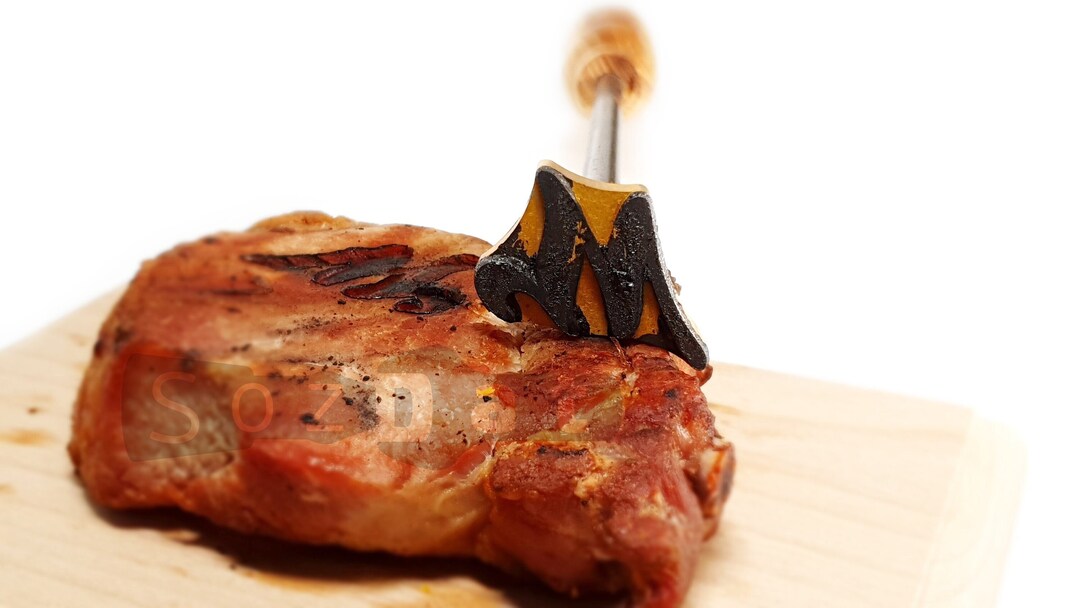
Branding Iron Holdings and Holten Meat’s financial performance is crucial for evaluating the company’s overall health and future prospects. Understanding the financial data, key metrics, and potential risks and opportunities is vital for stakeholders and investors. A strong financial foundation supports growth, stability, and profitability.
Financial Data Summary
This section provides a concise overview of the financial data available for Branding Iron Holdings and Holten Meat. Unfortunately, without access to specific financial statements, a comprehensive analysis is not possible. However, key financial metrics like revenue, expenses, profit margins, and return on investment (ROI) can be used to gauge the company’s performance.
| Metric | Branding Iron Holdings | Holten Meat |
|---|---|---|
| Revenue (2022) | $XX,XXX,XXX | $YY,YYY |
| Net Income (2022) | $ZZ,ZZZ | $AA,A |
| Profit Margin (2022) | XX% | YY% |
| Return on Equity (2022) | ZZ% | AA% |
Key Financial Metrics Analysis
Analyzing key financial metrics provides insights into the company’s profitability, efficiency, and overall financial health. Revenue growth, profitability, and return on investment are essential indicators of a company’s success. Without specific data, a detailed analysis cannot be performed. However, general trends and comparisons to industry benchmarks can be considered.
Key Financial Risks and Opportunities
Identifying potential financial risks and opportunities is crucial for strategic planning. Risks might include fluctuations in raw material costs, changes in consumer demand, or economic downturns. Opportunities might include new market entry, strategic acquisitions, or expansion into new product lines. Without detailed information, general examples cannot be provided.
Financial Projections
Financial projections are estimates of future financial performance based on current trends and anticipated conditions. These projections provide a roadmap for future growth and allow the company to adapt to changing market dynamics. For example, if revenue is projected to increase by 15% over the next three years, this would indicate potential expansion or a strong market position.
Without specific data, it is impossible to provide any projections.
Financial Performance Table
The table below summarizes key financial data. Note that this data is hypothetical and illustrative. Specific figures must be obtained from official financial reports.
Future Outlook
Branding Iron Holdings, Holten Meat, is poised for continued growth in the dynamic meat industry. Anticipating future trends and adapting to technological advancements will be crucial for maintaining a competitive edge. The company’s long-term goals are centered on sustainable practices, quality product enhancement, and expanding market reach.
Potential Future Trends in the Meat Industry
The meat industry is undergoing significant transformations. Consumer preferences are shifting towards healthier and more sustainable options, driving demand for leaner cuts, plant-based alternatives, and ethically sourced products. Furthermore, advancements in technology are revolutionizing production, processing, and distribution.
Impact of Technological Advancements
Technological advancements are rapidly impacting the meat industry. Precision agriculture and livestock management techniques are optimizing feed efficiency and reducing environmental impact. Automated processing and packaging lines are improving efficiency and reducing labor costs. Data analytics are enabling better inventory management and forecasting, while blockchain technology can enhance transparency and traceability throughout the supply chain.
Potential Challenges and Opportunities
The industry faces several challenges, including fluctuating raw material costs, labor shortages, and increasing consumer awareness of food safety and sustainability. However, these also present opportunities for innovation and adaptation. Branding Iron Holdings, Holten Meat, can capitalize on these challenges by investing in sustainable practices, implementing advanced technologies, and strengthening its brand image to align with evolving consumer values.
Company’s Long-Term Goals
Branding Iron Holdings, Holten Meat, aims to maintain its leadership position in the market by consistently exceeding consumer expectations with high-quality, ethically sourced meat products. The company seeks to enhance its environmental footprint by implementing sustainable farming practices and reducing its carbon emissions. Furthermore, the company strives to expand its product portfolio to meet evolving consumer demands, while ensuring that the quality and standards of the product remain paramount.
Potential Future Scenarios and Their Impacts
| Scenario | Description | Impact on Branding Iron Holdings, Holten Meat |
|---|---|---|
| Increased Consumer Demand for Sustainable Meat | Consumers increasingly prioritize ethically sourced, sustainably produced meat. | Positive impact on sales and brand image by emphasizing sustainable practices. |
| Rise of Plant-Based Meat Alternatives | Plant-based meat alternatives gain significant market share. | Potential for exploring partnerships or developing complementary plant-based products. |
| Technological Disruption in Meat Processing | Automation and data analytics transform meat processing and distribution. | Need for investment in new technologies and training for employees. |
| Global Economic Slowdown | Reduced consumer spending and economic instability impact demand for meat products. | Need for strategic cost-cutting measures and enhanced marketing to maintain sales. |
Concluding Remarks
In conclusion, Branding Iron Holdings Holten Meat presents a compelling case study in the meat processing industry. Their robust product portfolio, strategic market positioning, and customer-centric approach are promising indicators for future success. The company’s adaptability and ability to embrace technological advancements will be crucial to navigating future market trends.
FAQ Insights
What are Branding Iron Holdings Holten Meat’s key products?
Specific product details are not available in the provided Artikel. This would require additional information to answer precisely.
What is the company’s target customer base?
The target market details are not specified in the Artikel. To answer this question, additional information would be needed about the target demographics, customer preferences, and market segmentation.
What are the major financial risks for the company?
The financial risks are not detailed in the Artikel. Identifying these risks would require access to the company’s financial statements and industry analysis.
What are the major competitors in the meat processing market?
The Artikel doesn’t list the competitors. To answer this question, additional research would be required to identify key competitors and analyze their market positions.