Branding iron steakhouse photos are crucial for establishing a restaurant’s identity and attracting customers. This comprehensive guide explores essential elements, from visual identity and food photography techniques to showcasing atmosphere and people. High-quality images are vital for a strong online presence, impacting everything from website design to social media campaigns.
We’ll delve into crafting visually appealing photos that reflect the unique character of your steakhouse, whether it’s rustic charm, modern sophistication, or a farm-to-table ethos. This includes capturing mouthwatering steak dishes, creating a welcoming ambiance, and effectively incorporating staff and customers into the imagery.
Steakhouse Visual Identity
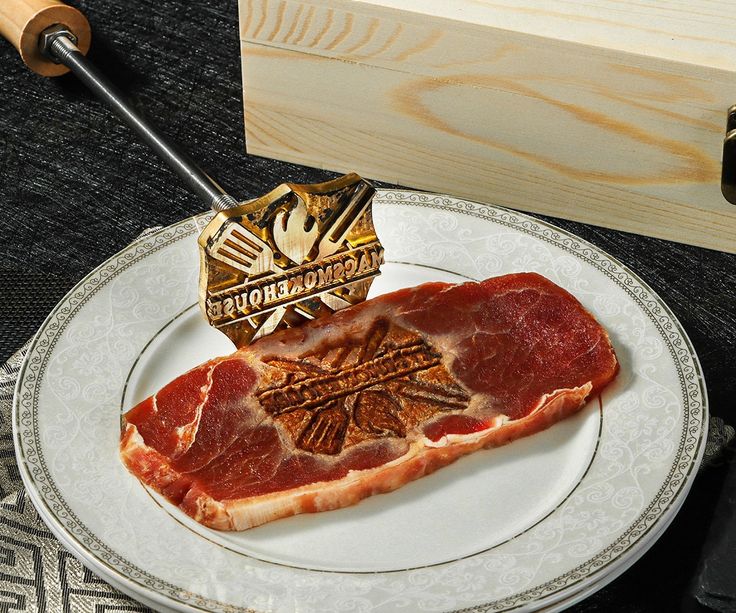
A strong visual identity is crucial for a branding iron steakhouse, shaping customer perception and reinforcing brand values. The imagery used in branding materials should consistently communicate the restaurant’s ambiance, quality, and overall experience. This includes photos used on websites, social media, and printed materials.Visual elements like color palettes, lighting, and composition directly influence the perceived atmosphere of the steakhouse.
Careful consideration of these elements is vital for effectively communicating the desired brand personality.
Visual Appeal in Branding Iron Steakhouse Photos
Visual appeal in steakhouse photography is achieved through deliberate choices of color palettes, lighting, and composition. Warm, inviting color palettes, such as deep reds, rich browns, and warm yellows, can evoke a sense of coziness and luxury. Conversely, cooler tones like blues and greys can suggest a more modern or contemporary feel. The lighting should highlight the food, emphasizing its texture and visual appeal.
Natural light, strategically used, can create a warm and inviting atmosphere, while controlled lighting can accentuate specific elements. Composition is paramount, ensuring that the food is presented in a visually appealing manner, focusing on its quality and craftsmanship. A balanced composition with well-placed focal points will draw the viewer’s eye to the key elements.
Consistency in Visual Branding
Maintaining consistency in visual branding across all photos is essential for creating a cohesive and recognizable brand identity. Repeating visual elements, such as color palettes and lighting styles, builds brand recognition and reinforces the restaurant’s overall image. For example, using the same type of lighting, a similar angle for showcasing steaks, and a consistent color palette in every image, will help build familiarity and trust among customers.
Examples of Steakhouse Styles and Visual Suggestions
| Steakhouse Style | Color Palette | Lighting | Composition |
|---|---|---|---|
| Traditional | Warm tones: deep reds, rich browns, warm yellows. | Natural light or warm, diffused lighting. | Focus on the food, with an emphasis on classic presentation, possibly including silverware and glassware. |
| Contemporary | Neutral tones: greys, creams, and blacks. | Controlled lighting, highlighting textures and food presentation. | Modern, minimalist presentation; possibly with clean lines and sleek design. |
| Farm-to-Table | Earthy tones: greens, browns, and muted oranges. | Natural light or soft, diffused lighting to emphasize the natural elements. | Showcase the natural ingredients; use rustic props. |
| Upscale | Rich, luxurious colors: deep burgundy, gold, black. | Soft, diffused lighting to enhance the elegance and sophistication. | Elegant presentation, emphasizing high-quality ingredients. |
Creating a Strong Visual Identity
Creating a strong visual identity for a branding iron steakhouse through photography requires a strategic approach. A professional photographer with experience in food photography can capture high-quality images that effectively communicate the steakhouse’s brand. In addition to capturing images, consider creating a style guide that Artikels the specific visual elements of the brand, including the desired color palette, lighting, composition, and props used in the photos.
The guide will ensure consistency in branding across all platforms and materials.
Food Photography Techniques
Capturing mouthwatering steakhouse photos requires a keen eye for detail and a grasp of photographic principles. Successful food photography goes beyond simply snapping a picture; it’s about crafting an image that evokes the flavors and textures of the dish, stimulating the viewer’s appetite. This involves strategic use of lighting, angles, and presentation techniques. Effective food photography can significantly elevate the brand’s visual appeal and attract customers.Mastering these techniques allows you to showcase the quality and artistry of your steakhouse’s culinary offerings, ultimately boosting customer engagement and sales.
Understanding how to present food attractively in images is crucial for communicating the restaurant’s brand identity and fostering a desire to dine there.
Lighting Strategies for Steak Photography
Proper lighting is paramount in food photography. Natural light, often diffused through a sheer curtain or softbox, is ideal for highlighting the natural colors and textures of the steak. Hard light from direct sunlight can create harsh shadows, detracting from the visual appeal. Experiment with different light sources and positions to achieve the desired effect. For example, using a softbox or umbrella can diffuse harsh light, while using a reflector can bounce light back onto the food to fill in shadows.
Angles and Composition for Steakhouse Images
Choosing the right angle can significantly impact the perceived appeal of a dish. High-angle shots can create a sense of spaciousness and elegance, while low-angle shots can emphasize the size and weight of the steak. A slightly elevated, eye-level angle is often the most effective for showcasing the entire dish and its components. Composition plays a vital role in drawing the viewer’s eye to the most important aspects of the dish.
Consider using the rule of thirds or leading lines to create a visually appealing image.
Food Styling for Different Steak Dishes
Food styling is a critical aspect of food photography, involving the arrangement and presentation of food to maximize its visual appeal. Different steak dishes require different styling approaches. For instance, a ribeye steak, with its marbling and thick cut, can be styled with herbs and garnishes, focusing on the rich texture and visual impact. A filet mignon, known for its tenderness, might benefit from a minimalist approach, highlighting its delicate texture and refined presentation.
A New York strip, with its robust flavor, can be styled with bold garnishes and a focus on the grill marks and char.
Table: Steak Dish Photography Tips
| Steak Dish | Photography Tips |
|---|---|
| Ribeye | Highlight the marbling and rich color. Use a warm light source. Garnish with fresh herbs and a drizzle of oil. |
| Filet Mignon | Emphasize the delicate texture and refined appearance. Minimalist styling, with a focus on presentation. Use a soft light source. |
| New York Strip | Showcase the grill marks and char. Use a slightly cooler light to emphasize the grill marks. Bold garnishes are acceptable. |
Using Props and Backgrounds
Props and backgrounds can enhance the visual appeal of steakhouse photos. For example, using a rustic wooden board or a dark slate platter can add a touch of elegance and sophistication. The background should complement the dish without detracting from it. A simple, uncluttered background, such as a clean white backdrop, can help to focus attention on the steak.
However, a more evocative background, like a dimly lit bar or a cozy restaurant setting, can create a more immersive experience for the viewer. Consider the overall ambiance you want to convey.
Atmosphere and Ambiance
Creating a compelling atmosphere in photos is crucial for a steakhouse’s branding. Visually conveying the restaurant’s ambiance, from the warm glow of the lighting to the luxurious feel of the space, significantly impacts customer perception. These visual cues help prospective diners connect with the experience before even stepping inside.The right photographic approach can transform a simple dining room into a memorable destination.
Strategic lighting, thoughtful composition, and attention to detail are key elements in evoking the desired feeling. These techniques translate into compelling imagery that draws customers in and reinforces the brand identity.
Showcasing Interior Design Elements
Interior design elements like lighting, furniture, and décor directly contribute to the ambiance. Photography must effectively highlight these features to communicate the restaurant’s aesthetic and evoke the desired emotions. Images should be clear and well-composed, showcasing the details of the design without being cluttered or overwhelming.
- Lighting: Soft, warm lighting creates a welcoming and intimate atmosphere. Photographers should use lighting techniques that highlight the space’s architectural details and the mood it evokes. Natural light, if available, should be strategically used to complement artificial lighting, creating a balanced and inviting scene. Avoid harsh shadows that might detract from the overall ambiance.
- Furniture: High-quality images should showcase the comfort and style of the seating arrangements. Close-up shots of the furniture’s textures and design can communicate the level of craftsmanship and attention to detail. Focus on angles that display the furniture’s aesthetic appeal and comfort. A well-placed person in the shot, seated comfortably, can enhance the sense of relaxation and enjoyment.
- Décor: The restaurant’s décor should be captured in a way that complements the overall ambiance. Photographers should focus on capturing the textures, colors, and patterns of the décor, emphasizing the style and sophistication of the space. Consider showcasing elements that tell a story, reflecting the restaurant’s identity and brand values. For example, artwork, wall hangings, or other decorative accents can be effectively highlighted in the photography.
Portraying Warmth and Comfort
Effective photography can portray the warmth and comfort of the dining experience. This involves capturing the inviting atmosphere, showcasing the cozy seating arrangements, and emphasizing the welcoming aspects of the restaurant. Photos should aim to create a feeling of relaxation and enjoyment.
- Comfortable Seating: Showcase comfortable chairs and tables. Include details like plush cushions or soft textures. Incorporate diners comfortably seated, engaging in conversation, or enjoying their meals. This visual cue directly conveys the comfort of the space.
- Inviting Ambiance: Focus on capturing the soft lighting, warm colors, and natural elements. The use of natural light and carefully controlled artificial lighting can enhance the feeling of comfort. Consider using props like candles or plants to further emphasize the cozy atmosphere.
- Relaxed Diners: Capturing relaxed diners, engaging in conversation or enjoying their meals, effectively communicates the restaurant’s welcoming environment. Images of happy customers in comfortable settings enhance the feeling of warmth and enjoyment.
Capturing Energy and Liveliness
Even during slower periods, a steakhouse can maintain its energy and vibrancy. Photography should capture the dynamic energy of the space, even if there are fewer diners. Highlighting the restaurant’s activity can create an enticing image for potential customers.
- Highlighting Activity: Capture moments of activity, such as staff interacting with diners, or the bustling energy of the restaurant. Even if there are fewer diners, showcasing the restaurant’s staff and their interactions with customers can evoke a lively atmosphere.
- Dynamic Composition: Utilize dynamic compositions to convey the energy of the space. Capture movement and interaction to create a sense of vibrancy. Strategic use of motion blur or shallow depth of field can enhance the sense of activity.
- Emphasizing Atmosphere: Focus on the ambiance and the energy of the space. Use lighting and color to create a sense of excitement and anticipation. Even in a slower period, the ambiance can be captured to evoke a lively feeling.
Conveying Luxury and Exclusivity
Creating a sense of luxury and exclusivity in photos is essential for a high-end steakhouse. High-quality images are crucial for showcasing the sophistication and refined ambiance of the restaurant.
- High-Quality Images: Use high-resolution cameras and lighting techniques to capture the details and textures of the space. This creates a sense of sophistication and luxury.
- Strategic Composition: Use compositions that emphasize the elegance and exclusivity of the space. Showcase architectural details, high-end furniture, and premium materials to create a sense of sophistication.
- Details and Textures: Highlight the finer details of the restaurant’s interior. Focus on the textures of materials, like leather, wood, or marble. These details contribute to the overall sense of luxury and exclusivity.
People in Photos
Capturing the essence of a steakhouse experience extends beyond just the food. People, their interactions, and the overall atmosphere play a crucial role in conveying the brand’s personality and inviting customers to experience the venue. A well-composed photo featuring people can transform a simple image of food into a vibrant story.A focus on the human element adds depth and authenticity to the branding.
Photos showcasing staff interacting warmly with customers or diners enjoying the ambiance evoke a sense of welcoming hospitality. These moments can be powerful storytelling tools, conveying the brand’s commitment to customer satisfaction.
Importance of Staff-Customer Interaction
Staff-customer interaction is paramount in establishing a positive and memorable experience. Photos showcasing this interaction humanize the brand and reinforce the notion of a warm, attentive service. Smiling staff members engaged with customers, or attentive service staff assisting patrons, communicate a dedication to providing excellent service. This creates a positive feedback loop, reinforcing the restaurant’s reputation for quality and hospitality.
Portraying the Steakhouse Experience
To effectively portray the steakhouse experience, consider these key scenarios:
- Diners enjoying their meal: Capture diners engaged in conversation, savoring their steaks, or sharing laughter. This emphasizes the convivial atmosphere and the enjoyment derived from the dining experience. An example might be a group of friends sharing a table, enjoying their meals and drinks, or a couple sharing a romantic dinner, demonstrating a pleasant atmosphere and quality service.
- Staff assisting customers: Showcase staff members assisting customers with their orders, recommendations, or providing attentive service. This portrays the restaurant’s commitment to customer service and creates a sense of care. For instance, a waiter gracefully presenting a steak to a customer, or a host welcoming guests to the restaurant, creating a warm and welcoming atmosphere.
- Diners interacting with staff: Capture moments of interaction between staff and customers. This could include staff members making recommendations, explaining the menu, or engaging in pleasant conversations with customers. An example might be a staff member engaging with a customer, offering a recommendation based on the customer’s preferences or explaining the different cuts of steak.
- The atmosphere of the restaurant: Capture the overall ambiance. Showcase diners relaxing and enjoying their meal in a comfortable and inviting setting. For instance, a bustling but controlled atmosphere, a quiet corner with a romantic ambiance, or a vibrant celebration in a lively setting.
Incorporating People While Focusing on Food
Photos should highlight the food without detracting from the people.
- Strategic positioning: Place people in the frame in a way that complements, rather than competes with, the food. Consider having diners seated at tables that are appropriately distanced from each other and allow clear visibility of the food, avoiding overcrowding.
- Lighting and composition: Use lighting to draw attention to the food while ensuring that people are well-lit and visible. Use composition techniques to guide the viewer’s eye naturally to the food and people in the frame.
- Background elements: Choose backgrounds that don’t distract from the food or people. A well-chosen background can set the scene and complement the atmosphere of the restaurant.
- Focus on detail: Ensure that both the food and people are in sharp focus. Consider using a shallow depth of field to isolate the subject (food or people) from the background.
Capturing a Positive and Welcoming Atmosphere
The presence of people should enhance the atmosphere, not overshadow it.
- Facial expressions and body language: Capture genuine smiles, relaxed postures, and positive body language from both staff and customers. This conveys a sense of comfort and enjoyment.
- Interaction and engagement: Focus on capturing moments of genuine interaction. A waiter engaging with a customer, or a group of friends sharing a laugh, can portray the welcoming atmosphere.
- Ambient details: Capture elements of the atmosphere, such as soft lighting, warm colors, or comfortable seating arrangements. The ambiance should complement the overall mood and create a sense of place.
Photographing Staff Interacting with Customers
Capture the warmth and professionalism of staff interactions.
- Natural interactions: Avoid staged or overly posed interactions. Focus on capturing genuine moments of service and engagement.
- Eye contact and smiles: Encourage staff to make eye contact with customers and maintain a friendly and approachable demeanor. Smiling can significantly enhance the overall feel of the photo.
- Clear view of food and staff: Ensure that the food and staff are both clearly visible and well-lit in the frame.
- Appropriate angles: Consider different angles to showcase both the food and staff interactions. Avoid angles that obscure the view of either.
Digital Marketing Strategies
High-quality branding iron steakhouse photos are essential for online marketing success. They serve as powerful visual representations of the brand, attracting potential customers and driving engagement. Effective utilization of these images across various digital platforms is crucial for building a strong online presence and ultimately, boosting sales.Visual marketing, in the context of a steakhouse, leverages the allure of delicious food and a welcoming atmosphere.
This strategy directly impacts customer decisions, influencing their perception of the restaurant and driving their desire to dine there. By showcasing the steakhouse’s unique identity and culinary offerings through compelling visuals, the business can foster trust and attract a wider audience.
Role of Branding Iron Steakhouse Photos in Online Marketing
Branding iron steakhouse photos play a vital role in online marketing by acting as the initial point of contact for potential customers. These images communicate the restaurant’s essence, its quality, and its ambiance, fostering a sense of anticipation and desire for a dining experience. Attractive and well-composed photos create a positive first impression, enticing users to learn more and ultimately visit the establishment.
Utilizing Photos for Social Media Campaigns
Social media platforms are ideal for showcasing visually appealing content. Steakhouse photos can be strategically incorporated into social media campaigns to drive engagement and attract new customers. These images should be high-resolution and captivating, prompting users to interact with the posts, whether through likes, shares, comments, or direct messages. Consistent posting of high-quality images related to the dining experience, such as the preparation of the steaks, the ambiance of the restaurant, or happy customers enjoying their meals, will create a cohesive brand narrative and increase visibility.
Attracting Customers Through Visual Marketing
Visual marketing for a steakhouse focuses on appealing to customers’ senses and emotions. Photos that highlight the quality and presentation of the steaks, the artistry of the dishes, and the welcoming atmosphere of the restaurant are highly effective in conveying the dining experience. The use of warm lighting, inviting backgrounds, and well-composed shots of food can create a powerful connection with potential customers, making them eager to experience the restaurant.
Emphasizing the craftsmanship and quality of the steak, and the exceptional service, through visual storytelling, will significantly contribute to building brand loyalty.
Importance of High-Quality Photos for Website Design and Online Presence
High-quality images are crucial for establishing a professional and trustworthy online presence. The visual aspect of a website significantly impacts user experience and perception of the brand. Professional-grade photos of the steakhouse’s interior, exterior, and menu items, paired with engaging descriptions, will enhance user engagement and conversion rates. A well-designed website featuring visually appealing photos creates a seamless and immersive experience for potential customers, conveying professionalism and quality.
Impact of Branding Iron Steakhouse Photos on User Engagement and Conversion Rates
High-quality photos of a steakhouse can significantly influence user engagement and conversion rates. Engaging visuals attract attention, encourage exploration, and ultimately drive action. Compelling images of the food, the atmosphere, and satisfied customers can boost the likelihood of users making reservations or visiting the restaurant. Visuals should be strategically integrated throughout the website, from homepage to menu sections, to ensure consistent branding and a seamless customer journey.
By showcasing the culinary excellence and inviting ambiance through high-quality photos, the restaurant can effectively increase user engagement and drive conversions.
Photo Editing and Post-Production
Optimizing visual appeal in steakhouse photos hinges significantly on post-production techniques. Expert editing elevates images, enhancing the visual storytelling and ultimately boosting brand perception. This section will provide a detailed guide on improving contrast, brightness, and sharpness, utilizing filters and adjustments, and showcasing the impact of these techniques with before-and-after examples. Furthermore, a table will Artikel popular editing software options, highlighting their strengths.Post-production is an essential part of the overall photo process.
Proper editing techniques can transform raw images into compelling visuals, drawing customers to your steakhouse. Through careful adjustments, you can create a more appealing and appetizing presentation of your dishes, ambiance, and staff.
Enhancing Visual Appeal Through Editing
Effective editing techniques dramatically improve the visual impact of photos. Adjusting contrast, brightness, and sharpness enhances the overall aesthetic appeal, bringing out the textures and details of the steakhouse and its offerings. Filters and adjustments can be used to evoke specific moods and create a consistent brand aesthetic.
Contrast, Brightness, and Sharpness Adjustments
Adjusting these elements is critical for creating visually engaging photos. Higher contrast creates a more dramatic look, highlighting the textures of the food and the ambiance of the establishment. Brightness adjustments ensure the images are neither too dark nor too bright, optimizing the clarity and detail visibility. Sharpness adjustments enhance the fine details, making the images appear more realistic and appealing.
- Contrast Enhancement: Increasing contrast can create a more dynamic image, drawing attention to the subject. A steak’s rich marbling will stand out more, and the overall scene will feel more vivid. This is achieved by adjusting the contrast slider in editing software, often with the option of localized contrast adjustments to focus on specific areas.
- Brightness Adjustments: Correct brightness is crucial for balanced imagery. Underexposed images lack detail, while overexposed images can wash out colors and textures. Brightness adjustments ensure a pleasing balance, and can be localized to specific areas of the image to correct exposure inconsistencies.
- Sharpness Enhancement: Sharpness enhances detail, making the images appear more realistic. Excessive sharpness can result in a harsh appearance, so the adjustment should be balanced. Using sharpening tools carefully will refine the texture of food and the clarity of the ambiance.
Using Filters and Adjustments for Desired Aesthetics
Filters and adjustments offer versatile options for achieving the desired aesthetic. For example, a warm filter can create a cozy ambiance, while a cool filter might project a sophisticated feel. Adjustments to color temperature and saturation further refine the look, ensuring consistent brand aesthetics across all photos. Color grading can be used to achieve a certain mood or atmosphere, for instance, a warmer tone might be used for a cozy, inviting steakhouse.
- Warm Filters: A warm filter can evoke a sense of coziness and comfort, ideal for showcasing the ambiance of the steakhouse. Examples include images with a golden hue or reddish tones.
- Cool Filters: Cool filters might project a sophisticated and modern feel, suitable for high-end steakhouse concepts. These filters often feature blue or cool tones.
- Color Temperature Adjustments: Adjusting color temperature can affect the overall feel of the image. A warmer color temperature can create a more inviting atmosphere, while a cooler color temperature might convey a more modern or sophisticated vibe.
Before-and-After Photo Editing Examples
A before-and-after comparison of a photo can vividly illustrate the impact of editing techniques. The initial photo might be underexposed or lack sharpness, while the edited version showcases improved contrast, brightness, and sharpness, leading to a significantly more visually appealing image.
Editing Software Options
Several software options offer varying levels of functionality and ease of use. The best choice depends on your specific needs and budget.
| Software | Functionality |
|---|---|
| Adobe Photoshop | Industry-standard software with extensive tools for photo editing, including advanced adjustments and masking capabilities. Ideal for professionals. |
| Adobe Lightroom | Excellent for non-destructive editing and batch processing, making it ideal for organizing and enhancing large sets of images. |
| GIMP (GNU Image Manipulation Program) | A free and open-source alternative to Photoshop, offering a comprehensive range of editing tools. |
| Canva | User-friendly platform for basic to intermediate edits, ideal for those needing simple adjustments and templates. |
End of Discussion
In conclusion, compelling branding iron steakhouse photos are key to success in today’s competitive market. By focusing on visual identity, food photography, ambiance, and people, you can create a powerful online presence that resonates with potential customers. The strategies Artikeld here, from careful composition to effective post-production, empower you to craft images that not only showcase your steakhouse but also tell a story that captivates and converts.
FAQ Section
What are some common mistakes to avoid in steakhouse food photography?
Overly-processed images, poor lighting, and a lack of focus on the food itself can detract from the visual appeal. Also, don’t forget to consider the background and props, as they should enhance, not distract from, the dish.
How can I showcase the quality of the ingredients in my photos?
Highlighting the freshness and texture of ingredients, using close-up shots, and emphasizing the preparation methods can communicate the quality of the ingredients to potential customers.
How can I ensure consistency in my branding iron steakhouse photos across different platforms?
Maintaining a consistent color palette, style, and composition across all platforms ensures a unified brand identity. Using a style guide can help maintain this consistency.
What editing software options are best for enhancing steakhouse photos?
Popular options include Adobe Photoshop, Lightroom, and various mobile apps. The best choice depends on your skill level and budget.