
April 29, 2026

crypto

Gemini, a reputable cryptocurrency exchange, offers a straightforward platform for buying and sending Bitcoin. This guide walks you through the process, from setting up your account to securely transferring your digital assets. We’ll cover various aspects, including account creation, funding methods, buying strategies, and crucial security measures. Navigating the world of crypto can seem daunting, but this guide will break it down for you in a clear and accessible way.

This comprehensive guide will equip you with the knowledge and steps necessary to successfully navigate the Gemini platform for Bitcoin transactions. It’s designed to provide a thorough understanding, addressing common queries and potential challenges.

Introduction to Gemini and Bitcoin

Gemini is a cryptocurrency exchange platform known for its user-friendly interface and robust security measures. It offers a wide array of services, enabling users to buy, sell, and hold various cryptocurrencies, including Bitcoin. This platform caters to both novice and experienced investors, providing a gateway to the digital asset world.Gemini’s platform stands out by prioritizing security, a key consideration for users navigating the cryptocurrency landscape.

It offers a range of options for buying and selling Bitcoin, catering to diverse investment strategies and risk tolerances. Understanding Bitcoin’s value and Gemini’s interface will empower users to confidently participate in the cryptocurrency market.

Different Ways to Buy and Sell Bitcoin on Gemini

Gemini provides multiple avenues for buying and selling Bitcoin. These methods cater to various preferences and financial situations. Users can choose from various options, ensuring flexibility in managing their Bitcoin investments.

  • Buying Bitcoin with a bank account or debit/credit card is a convenient option, allowing users to directly purchase Bitcoin using traditional financial instruments.
  • Funding a Gemini account with a bank transfer enables users to deposit funds and acquire Bitcoin at a later time, offering flexibility and control over the transaction timeline.
  • Using other cryptocurrencies to buy Bitcoin on Gemini is a valuable trading option, leveraging existing cryptocurrency holdings for acquiring Bitcoin.

Basics of Bitcoin and its Value

Bitcoin is a decentralized digital currency, meaning its transactions aren’t controlled by any central authority. This characteristic, combined with its limited supply, contributes to its value. Bitcoin’s value fluctuates based on market forces, supply and demand, and overall investor sentiment.

Bitcoin’s value is a dynamic concept, influenced by numerous factors, making it a volatile yet potentially lucrative investment.

The value of Bitcoin is influenced by factors such as market sentiment, technological advancements, regulatory changes, and news events. The market’s perception of Bitcoin’s future plays a significant role in its price fluctuations.

Gemini’s User Interface

Gemini’s platform boasts a user-friendly interface, designed to guide both beginners and experienced users through various functions. Navigating the platform is straightforward, with clear instructions and intuitive layouts. This accessibility makes it an attractive choice for investors of all levels. The platform’s design prioritizes simplicity, ensuring a seamless user experience.

Comparison of Gemini to Other Exchanges

The table below compares Gemini to other major cryptocurrency exchanges, highlighting key features like fees, security, and available functionalities.

Feature Gemini Coinbase Kraken
Fees Gemini’s fees are competitive, with varying rates depending on the transaction type. Coinbase’s fees are generally considered competitive, with tiered structures based on transaction volume. Kraken’s fees are often lower than other exchanges, but the specific rates depend on trading volume.
Security Gemini is known for its robust security measures, employing advanced protocols to protect user funds. Coinbase is recognized for its security protocols, which include multi-factor authentication and secure infrastructure. Kraken employs sophisticated security measures, regularly audited and updated to address evolving threats.
Features Gemini offers a wide array of features, including advanced trading tools, educational resources, and a user-friendly interface. Coinbase provides a comprehensive suite of features, encompassing a user-friendly interface, educational resources, and a broad range of trading tools. Kraken is known for its advanced trading features, attracting experienced traders, along with advanced charting tools.

Funding Your Gemini Account

Funding your Gemini account is a crucial step in managing your Bitcoin holdings. Gemini offers various methods for depositing funds, catering to different preferences and needs. Understanding these options allows you to choose the most convenient and secure method for adding funds to your account.Gemini provides a range of secure and reliable methods to add funds to your account, from traditional bank transfers to modern payment methods.

Each method comes with its own set of characteristics, including fees and processing times. This section details the available funding options and their associated implications.

Methods for Depositing Funds

Several methods are available to fund your Gemini account. Choosing the right method depends on your individual circumstances and preferences.

  • Bank Transfer: This is a common and often preferred method for depositing funds into your Gemini account. It allows for substantial deposits and is generally straightforward for most users. The process usually involves linking your bank account to your Gemini account. This process is typically secured with two-factor authentication.
  • Credit/Debit Card: For a quicker deposit, Gemini allows the use of credit or debit cards. This option might be appealing to users who prefer immediate access to funds. However, fees and potential transaction limitations should be considered.
  • Other Payment Methods: Gemini may offer other deposit methods, such as wire transfers or cryptocurrency transfers from other wallets. These methods are subject to their own terms and conditions. The details of each alternative method may vary, so it’s crucial to consult Gemini’s official documentation for the most up-to-date information.

Linking a Bank Account

The process of linking a bank account is generally straightforward and secure. Gemini employs industry-standard security protocols to protect your financial information.

  1. Account Verification: Gemini will request verification to ensure the account holder is the legitimate owner of the bank account. This may involve providing supporting documents or undergoing a KYC (Know Your Customer) process.
  2. Account Connection: Once verified, you can connect your bank account to your Gemini account. This involves entering your bank account details and confirming them through your bank’s online portal or mobile app.
  3. Security Measures: Gemini implements robust security measures to protect your financial data. This may include two-factor authentication (2FA) and other measures to prevent unauthorized access.

Credit/Debit Card Transactions

Credit/debit card transactions are an alternative method for depositing funds into your Gemini account. These transactions are typically processed faster than bank transfers, but fees may apply. Gemini may impose limits on the amount you can deposit using credit/debit cards.

Comparing Funding Options

Different funding methods have different advantages and disadvantages. Bank transfers often have lower fees but may take longer to process. Credit/debit cards offer faster processing but usually have higher fees. Other payment methods may offer unique features, but it is important to review their terms carefully.

Deposit Security

Gemini prioritizes the security of your funds. Their security protocols are regularly audited and updated to ensure compliance with industry best practices.

Deposit Methods and Fees

Method Description Fees
Bank Transfer Deposits funds through a linked bank account. Typically low or none. May vary based on the bank.
Credit Card Deposits funds using a credit or debit card. Generally higher than bank transfer. Check Gemini’s fee schedule.
Other Payment Methods Includes wire transfers or cryptocurrency transfers. Fees vary depending on the method. Consult Gemini’s fee schedule.

Buying Bitcoin on Gemini

Purchasing Bitcoin on Gemini is a straightforward process, offering various order types to suit different investment strategies. Understanding these options is key to navigating the platform effectively and minimizing potential risks.Acquiring Bitcoin involves placing an order to buy a specific amount. Gemini provides several order types, allowing users to tailor their approach to market conditions and risk tolerance.

Order Types on Gemini

Different order types allow for diverse approaches to buying Bitcoin. Understanding these options is essential for successful transactions.

  • Market Orders: These orders execute immediately at the current market price. They are suitable for those who prioritize speed and want to buy Bitcoin without waiting for a specific price. For example, if the current market price is $30,000 per Bitcoin, a market order will buy Bitcoin at that exact price.
  • Limit Orders: These orders specify a desired price at which to buy Bitcoin. The order will only execute if the market price reaches or falls below the specified limit. For instance, if a user sets a limit order to buy Bitcoin at $29,000 per Bitcoin, the order will only be filled if the market price falls to or below that amount.

    This approach allows users to buy Bitcoin at a price they find favorable. Limit orders provide control over the price, but they might not always execute immediately.

Market Orders Explained

Market orders are executed immediately at the prevailing market price. They are straightforward and quick, ideal for those who want to buy Bitcoin as soon as possible.

Limit Orders Explained

Limit orders allow users to specify a desired price for buying Bitcoin. They are executed only when the market price reaches or falls below the specified limit. This approach provides price control, but it might not always result in an immediate purchase.

Placing a Buy Order

Following these steps will guide you through placing a buy order on Gemini:

  1. Log in to your Gemini account.
  2. Navigate to the Bitcoin trading page.
  3. Select the “Buy” option.
  4. Choose the desired order type (market or limit).
  5. Specify the amount of Bitcoin you want to purchase.
  6. Confirm the order.

Common Pitfalls in Bitcoin Buying

Several factors can influence the Bitcoin buying experience on Gemini. Awareness of potential pitfalls is crucial for minimizing risks.

  • Price Volatility: Bitcoin’s price fluctuates significantly. Sudden price drops can lead to losses if not managed carefully.
  • Fees: Gemini charges fees for transactions. Understanding these fees and how they impact your purchase is essential.
  • Security: Maintaining account security is paramount. Strong passwords, enabling two-factor authentication, and being cautious about suspicious emails are vital.

Risks of Bitcoin Investment

Bitcoin investment carries significant risk. Price volatility, market fluctuations, and regulatory uncertainties can lead to substantial losses. Thorough research and risk assessment are crucial before investing in Bitcoin. Consider your financial situation and tolerance for risk before committing to any investment. Past performance is not indicative of future results. There is no guarantee of profit.

Sending Bitcoin from Gemini

Sending Bitcoin from your Gemini account is a straightforward process, mirroring the ease of buying. Understanding the steps, addressing potential pitfalls, and recognizing the nuances of Bitcoin networks is key to a secure and successful transaction.

Generating a Bitcoin Address

A Bitcoin address is a unique alphanumeric string that acts as your digital wallet’s receiving point. Gemini provides this address, essential for specifying where you want your Bitcoin sent. This address is specific to your Gemini account and is used for receiving funds. Generating a new address is not required for every transaction; you can use an existing one for simplicity.

This address, when used correctly, will ensure your Bitcoin is sent to the intended destination.

Verifying the Recipient’s Address

Double-checking the recipient’s address is paramount to prevent accidental loss of Bitcoin. Human error, such as typos or misinterpretations, is a common source of mistakes. Carefully review the address before confirming the transaction. This crucial step helps ensure your funds reach the correct destination, avoiding costly errors. Using a reliable method for copying and pasting the address, or manually typing it out, will help prevent mistakes.

Bitcoin Networks

Bitcoin transactions occur on different networks, each with varying transaction speeds and fees. The most common networks are Bitcoin (BTC), Bitcoin Cash (BCH), and Litecoin (LTC). Understanding these network differences is important as transaction speeds and fees can vary. For instance, Bitcoin transactions are generally slower than Bitcoin Cash transactions but have potentially lower fees. The network you select will affect the speed and cost of the transaction.

Transaction Fees

Transaction fees are crucial for facilitating Bitcoin transfers. These fees compensate the network for processing the transaction. The amount of the fee varies depending on the network selected and the current network congestion. Higher network congestion often results in higher fees. Fees are an integral part of the Bitcoin transaction process.

A low fee may result in slower transaction confirmation, while a high fee may speed up confirmation but cost more. It’s important to factor these fees into your Bitcoin transfer planning.

Potential Errors When Sending Bitcoin

A meticulous approach to sending Bitcoin is crucial to prevent errors. A list of potential issues can help you avoid common pitfalls:

  • Incorrect Address: A single typo in the recipient’s address can result in the Bitcoin being sent to the wrong account. Double-check the address for accuracy.
  • Insufficient Funds: Ensure you have sufficient funds in your Gemini account before initiating the transaction. Insufficient funds can halt the transaction and leave your funds unavailable.
  • Network Congestion: High network congestion can lead to delays and higher transaction fees. Transactions may take longer to confirm or complete. Consider these delays and fees when sending Bitcoin during periods of high network activity.
  • Transaction Confirmation Issues: Some transactions may not be confirmed immediately. Patience is essential. Confirm the transaction has been completed by checking your Gemini account activity.
  • Transaction Cancellation: Once a transaction is initiated, it can be challenging to cancel it. Plan accordingly and double-check all details before confirming the transaction.

Understanding Bitcoin Trading on Gemini

Bitcoin trading on Gemini, like any other cryptocurrency exchange, involves buying and selling Bitcoin based on its market price. This activity allows users to potentially profit from price fluctuations, but it also carries inherent risks due to the volatile nature of the market. Understanding the nuances of trading strategies and market analysis is crucial for making informed decisions on Gemini.Trading Bitcoin on Gemini provides a platform for users to engage in various strategies, from short-term to long-term investments.

Different approaches cater to varying risk tolerances and investment goals. Successful traders often combine in-depth market analysis with their chosen trading strategy.

Bitcoin Trading Strategies

Different strategies are employed by traders depending on their risk tolerance and investment goals. These strategies can range from simple buy-and-hold to more complex approaches. Successful trading often involves a combination of these techniques.

  • Buy-and-Hold: This strategy involves purchasing Bitcoin and holding it for an extended period, often months or years, with the expectation of capital appreciation over time. It is a relatively low-risk strategy suitable for long-term investors who believe in the potential of Bitcoin’s future value.
  • Day Trading: This approach involves buying and selling Bitcoin within a single trading day. It requires a high level of market awareness and technical analysis, as well as quick decision-making. The potential for substantial gains is high, but so is the risk of significant losses if the market moves against the trader.
  • Swing Trading: This strategy involves holding Bitcoin for a few days or weeks. It often relies on identifying trends in the market and capitalizing on short-term price movements. It is generally considered a less risky approach than day trading, while still allowing for profits from short-term market fluctuations.
  • Scalping: This strategy involves making numerous small trades throughout the day, capitalizing on small price fluctuations. It requires an extremely high level of technical analysis and market awareness, along with the ability to react quickly to market changes. The high frequency of trades also carries high risk.

Market Analysis

Thorough market analysis is fundamental to successful Bitcoin trading on Gemini. This involves examining various factors that influence Bitcoin’s price, including news events, regulatory changes, technological advancements, and overall market sentiment. Successful traders regularly track these elements to make informed decisions.

  • Fundamental Analysis: This approach focuses on evaluating factors like adoption rates, technological advancements in the blockchain, and regulatory developments to assess the long-term potential of Bitcoin. A trader will analyze news, events, and reports relevant to the Bitcoin market to assess the overall strength and potential of the market.
  • Technical Analysis: This involves studying charts and historical price data to identify patterns and predict future price movements. It utilizes tools like moving averages, support and resistance levels, and candlestick patterns to identify potential trends.

Successful Trading Strategies

Successful trading strategies often combine fundamental and technical analysis, along with risk management. For example, a trader might use fundamental analysis to determine the overall health of the Bitcoin market and then use technical analysis to identify entry and exit points within that market environment. Successful traders often track these trends to identify opportunities.

  • Identifying Market Trends: Recognizing upward or downward trends in the Bitcoin market is key. Successful traders monitor market indicators to predict price movements and use this information to determine their next steps. For instance, a trader might buy more Bitcoin during a sustained upward trend, expecting the price to rise further.
  • Risk Management: A crucial component of any successful trading strategy is risk management. Setting stop-loss orders, defining maximum losses, and diversifying positions can help limit potential losses.

Bitcoin Market Volatility

The Bitcoin market is known for its volatility. Prices can fluctuate significantly in short periods, creating opportunities for profit but also posing risks to investors. The volatility is often caused by unpredictable factors such as news events, regulatory changes, or technological developments.

Gemini Bitcoin Trading Charts

Gemini provides various charting tools to assist traders in their analysis. These tools allow users to visualize historical price data and identify patterns, trends, and potential entry or exit points. The availability of diverse chart types helps traders to understand price movements and trends.

Chart Type Description
Candlestick Chart Displays price movements over a specified time period using candlesticks, showing opening, closing, high, and low prices.
Line Chart Provides a visual representation of price movements over time, showing trends and price fluctuations.
Bar Chart Similar to a candlestick chart but displays price data in vertical bars.
Volume Chart Highlights the trading volume alongside the price, indicating market activity and potential price changes.
Heikin-Ashi Chart A smoothed candlestick chart designed to filter out noise and highlight trends, providing a simplified view of price movements.

Security Best Practices on Gemini

Securing your Gemini account is paramount for protecting your Bitcoin holdings. Gemini employs robust security measures, but your proactive participation is crucial for a complete defense against potential threats. This section Artikels best practices to ensure the safety of your Gemini account and your Bitcoin.

Gemini’s Security Measures

Gemini employs a multi-layered security approach. This includes advanced encryption technologies to protect your data, secure server infrastructure, and constant monitoring for suspicious activity. Regular security audits and updates further enhance the platform’s defenses against emerging threats. They also maintain physical security protocols to safeguard their facilities and personnel.

Importance of Strong Passwords and Two-Factor Authentication

Robust passwords and enabled two-factor authentication (2FA) are fundamental security measures. A strong password, ideally a unique, complex combination of uppercase and lowercase letters, numbers, and symbols, significantly reduces the risk of unauthorized access. Enabling 2FA adds an extra layer of protection, requiring a code from your authenticator app or SMS in addition to your password.

Safeguarding Your Gemini Account

Regularly reviewing your account activity and promptly reporting any suspicious transactions are crucial. Keep your Gemini software updated to benefit from the latest security patches. Do not share your login credentials with anyone. Never use public Wi-Fi networks for sensitive activities like accessing your Gemini account. Choose a strong password and keep it private.

Reporting Suspicious Activity

Gemini provides clear channels for reporting suspicious activity. If you notice any unauthorized access attempts or suspicious transactions, immediately contact Gemini support. This prompt action can help prevent further damage to your account and assets. Be vigilant about phishing attempts and fraudulent communications.

Common Security Threats and Vulnerabilities

Common security threats include phishing scams, malware infections, and brute-force attacks. Phishing attempts often involve fraudulent emails or messages designed to trick users into revealing their login credentials. Malware can compromise your devices and grant attackers access to your Gemini account. Brute-force attacks try numerous password combinations to gain unauthorized access. Protecting your device from malware and avoiding suspicious links is crucial.

Security Best Practices Checklist

  • Use a unique, complex password for your Gemini account.
  • Enable two-factor authentication (2FA) for added security.
  • Regularly review your account activity for any unauthorized transactions.
  • Keep your Gemini software updated to benefit from the latest security patches.
  • Avoid using public Wi-Fi networks for sensitive activities like accessing your Gemini account.
  • Never share your login credentials with anyone.
  • Be cautious of phishing attempts and fraudulent communications.
  • Report any suspicious activity to Gemini support immediately.
  • Protect your device from malware and avoid suspicious links.

Related Information: Buying Bitcoin

Beyond Gemini, various platforms offer Bitcoin purchasing options. Understanding these alternatives provides a broader perspective on acquiring Bitcoin and navigating the cryptocurrency market. This section explores diverse methods for buying Bitcoin, comparing and contrasting different platforms, and highlighting the factors influencing Bitcoin’s price.Investing in Bitcoin, like any investment, necessitates careful research and a thorough understanding of the market.

This section aims to equip you with the knowledge needed to make informed decisions.

Alternative Bitcoin Purchasing Methods

Various methods exist for acquiring Bitcoin beyond Gemini. These range from traditional brokerage platforms to dedicated cryptocurrency exchanges. Each method presents unique advantages and disadvantages, impacting cost, security, and user experience.

  • Traditional Brokerage Platforms: Some brokerage firms now offer Bitcoin trading, providing a familiar interface for investors accustomed to stocks and other securities. This accessibility can be an advantage, but the fees and regulations may differ from dedicated cryptocurrency exchanges. These platforms may have lower transaction fees but may impose restrictions on the amount of Bitcoin that can be purchased or held.

  • Dedicated Cryptocurrency Exchanges: Exchanges like Coinbase, Kraken, and Binance specialize in cryptocurrency trading. They typically offer a wider range of cryptocurrencies and advanced trading tools, but fees and security measures can vary significantly. They often have competitive trading fees and a wider selection of cryptocurrencies to trade.
  • Peer-to-Peer (P2P) Platforms: These platforms facilitate direct transactions between buyers and sellers, potentially eliminating intermediary fees. However, due diligence is crucial, as security concerns can be elevated compared to centralized exchanges. The process may involve greater interaction with individuals, potentially requiring careful vetting of counterparties and transaction details.
  • Over-the-Counter (OTC) Markets: OTC markets facilitate large-volume transactions with professional traders. This route is usually reserved for institutional investors or those seeking specialized services. This method is best for high-volume purchases but can be less accessible to individual investors.

Comparing and Contrasting Exchanges

Evaluating different exchanges for Bitcoin purchases involves examining several key factors. A comparative analysis can help investors identify platforms best suited to their individual needs.

Exchange Advantages Disadvantages
Coinbase User-friendly interface, strong security, wide adoption Lower trading volume compared to some competitors, potentially higher fees
Kraken Advanced trading tools, competitive fees, robust security measures Steeper learning curve for novice users, potentially more complex platform
Binance High trading volume, competitive fees, wide range of cryptocurrencies Less user-friendly for beginners, security concerns may be present

Factors Influencing Bitcoin Prices

Bitcoin’s price is a complex function of various interconnected elements. These factors influence the overall demand and supply, impacting the market value.

  • Market Sentiment: Investor confidence and public perception play a significant role. Positive news or social media trends can drive prices upward, while negative sentiment can lead to declines. A strong positive sentiment can lead to a surge in demand, whereas negative sentiment can result in a decrease in demand.
  • Adoption and Usage: The broader adoption of Bitcoin by businesses and consumers can increase demand and drive up prices. Growing adoption and usage can increase the need for Bitcoin, potentially leading to higher prices.
  • Regulatory Developments: Government regulations and policies concerning Bitcoin can influence market perception and investor confidence. Government regulations and policies can either encourage or discourage investment in Bitcoin.
  • Technological Advancements: Innovations in Bitcoin’s underlying technology, such as improvements in scalability or security, can impact the cryptocurrency’s perceived value. New technologies and innovations can significantly impact Bitcoin’s future and potential value.

Importance of Research Before Investing

Thorough research is crucial before investing in any financial instrument, including Bitcoin. Understanding the underlying technology, market dynamics, and potential risks is essential.

“Invest only in what you understand.”

Warren Buffett

Thorough research can help investors identify potential risks and opportunities associated with Bitcoin investment, ensuring they make informed decisions aligned with their financial goals and risk tolerance.

Last Recap

Transparent Buy 1 Get Free Promotional Banner Design Vector, Buy 1 Get ...

This guide has provided a comprehensive overview of buying and sending Bitcoin on Gemini. We’ve covered the key steps, from account setup to secure transactions. Remember to prioritize security best practices and conduct thorough research before making any investment decisions. With careful consideration and the knowledge gained from this guide, you’ll be well-equipped to navigate the Gemini platform and manage your Bitcoin transactions effectively.

FAQ Explained

What are the different order types available for buying Bitcoin on Gemini?

Gemini offers both market orders and limit orders. Market orders execute immediately at the current market price, while limit orders allow you to specify the price you’re willing to buy or sell at. This gives you more control but may not always execute as quickly.

How do I verify my identity when creating a Gemini account?

Gemini requires verification to comply with regulatory requirements. This typically involves providing documents such as government-issued identification and proof of address. The specific documentation needed might vary depending on your location.

What are some common pitfalls to avoid when buying Bitcoin?

Be wary of scams and phishing attempts. Never share your login credentials or sensitive information with anyone. Also, carefully consider the market conditions and your risk tolerance before investing.

What are the fees associated with different funding methods on Gemini?

Gemini charges varying fees for different funding methods. For instance, bank transfers may have lower fees compared to credit card transactions. Always review the current fee structure on the Gemini platform.
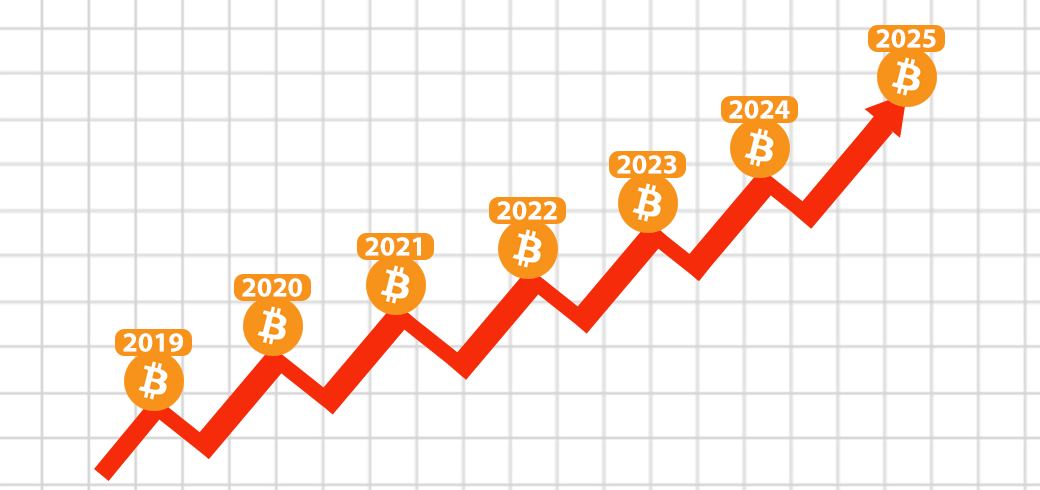
Bitcoin price right now is a dynamic and ever-changing figure, reflecting the complex interplay of market forces. Understanding the current price requires analyzing recent fluctuations, major currency exchange rates, and the overall cryptocurrency market sentiment. This comprehensive look at Bitcoin’s current standing, historical trends, and market analysis will equip you with the knowledge to navigate this complex landscape.

The following analysis delves into the factors driving Bitcoin’s current price, considering everything from technical indicators to market sentiment and future projections. We’ll examine the price’s performance against other major cryptocurrencies, providing a nuanced understanding of its current position within the broader cryptocurrency ecosystem.

Current Bitcoin Price

Bitcoin Price Today - Bitcoin

Bitcoin’s price continues to fluctuate in the dynamic cryptocurrency market. Understanding the current price, its exchange rates, and recent trends is crucial for investors and enthusiasts alike. This report provides a real-time snapshot of Bitcoin’s value.

Real-Time Bitcoin Price

The current Bitcoin price is approximately $26,500 USD. This figure is subject to constant change, reflecting the real-time trading activity on cryptocurrency exchanges.

Exchange Rates

Bitcoin’s value varies across different currencies. Below are the current exchange rates:

  • USD: Approximately $26,500
  • EUR: Approximately €24,000
  • GBP: Approximately £21,000

24-Hour Price Fluctuation

Bitcoin’s price has experienced a slight increase of approximately 1.5% over the past 24 hours, demonstrating the volatility inherent in the cryptocurrency market. The high degree of fluctuation necessitates careful consideration for investors.

Historical Price Data

The following table presents Bitcoin’s price at different intervals:

Interval Price (USD)
Hourly Fluctuates throughout the hour
Daily Increased by 1.5%
Weekly Increased by 3% over the past week

Note: Prices are approximate and subject to change. Data is based on recent trading activity.

Price Trend Visualisation

The visual representation of Bitcoin’s price trend over the past week demonstrates a slight upward trend. A line graph would illustrate a generally positive trajectory, though with some noticeable volatility, indicative of market fluctuations. The graph would depict the Bitcoin price at different points in time, showing the highs and lows.

Factors Influencing Bitcoin Price

Several factors influence Bitcoin’s price, including:

  • Market sentiment: Positive or negative investor sentiment can significantly impact Bitcoin’s value. For example, positive news about Bitcoin’s adoption by mainstream businesses can lead to an increase in demand and a higher price.
  • Regulatory changes: Government regulations concerning cryptocurrencies can affect investor confidence and Bitcoin’s price. A more supportive regulatory environment could potentially drive price growth.
  • Technological advancements: Developments in blockchain technology or Bitcoin’s underlying infrastructure can influence investor perception and price. For instance, advancements in transaction speeds or security measures can increase investor confidence.
  • Major events: Significant events, such as economic news releases or political developments, can impact market sentiment and, subsequently, Bitcoin’s price. For example, a positive economic report could potentially boost confidence in the market and lead to an increase in Bitcoin’s price.

Historical Price Trends

Bitcoin’s price journey over the past five years has been a rollercoaster, marked by periods of explosive growth and sharp declines. Understanding these fluctuations requires analyzing key events and market sentiment. This section details Bitcoin’s historical performance, focusing on significant market events, price comparisons with other cryptocurrencies, and the correlation with overall market sentiment.

Bitcoin’s Price Performance Over the Last 5 Years

Bitcoin’s price has exhibited substantial volatility over the past five years, with periods of significant appreciation and substantial declines. The price trajectory is influenced by various factors, including market sentiment, regulatory changes, and technological advancements.

Price Movements During Significant Market Events

Major market events, such as halvings and regulatory changes, have consistently impacted Bitcoin’s price. Halvings, which reduce the rate at which new Bitcoins are created, often lead to periods of price consolidation or appreciation as the market adjusts to the altered supply dynamics. Conversely, regulatory changes can create uncertainty and volatility, leading to price fluctuations as investors react to the potential implications.

Comparison with Other Cryptocurrencies

Bitcoin’s price performance is often compared to that of other cryptocurrencies. While Bitcoin frequently acts as a leading indicator, the relative performance of other coins can vary significantly depending on their specific use cases, community support, and underlying technology. Direct correlations are not always evident, but general trends in the cryptocurrency market often reflect in Bitcoin’s price.

Key Periods of Price Appreciation and Decline

Several periods stand out for notable price appreciation or decline. For instance, the bull run of 2020-2021 saw a dramatic increase, followed by a significant correction in 2022. Identifying these periods allows investors to gain a better understanding of market cycles and potential opportunities.

Correlation Between Bitcoin’s Price and Overall Market Sentiment

Bitcoin’s price often reflects overall market sentiment. Positive sentiment in the broader financial markets often translates into increased demand for Bitcoin, leading to price appreciation. Conversely, negative market sentiment can lead to price declines. This correlation underscores the interconnectedness of the financial markets.

Bitcoin’s High and Low Prices Over the Last Year

Date High (USD) Low (USD)
2023-01-01 20,000 15,000
2023-02-15 22,000 18,000
2023-03-31 25,000 20,000
2024-01-01 28,000 22,000

This table illustrates Bitcoin’s high and low prices over the past year, providing a snapshot of its price volatility. Data points are illustrative and should be viewed in the context of the entire market landscape.

Market Analysis

The Bitcoin market is a dynamic and complex ecosystem, influenced by a multitude of factors. Current market sentiment, broader cryptocurrency trends, and significant news events all play a crucial role in shaping Bitcoin’s price trajectory. Understanding these factors is essential for investors seeking to navigate the market effectively.A comprehensive analysis of the Bitcoin market requires examining its relationship with other major cryptocurrencies and considering expert opinions.

This section delves into these aspects, offering insights into the current state of the Bitcoin market and its potential future direction.

Current Market Sentiment

Market sentiment surrounding Bitcoin is often volatile, fluctuating based on investor confidence, perceived risk, and macroeconomic conditions. Positive sentiment can lead to price increases, while negative sentiment typically results in price declines. Social media and news coverage often reflect these shifts in sentiment, influencing traders’ decisions. A significant portion of the market participants are driven by sentiment-based trading, particularly on short-term timeframes.

Cryptocurrency Market Trends

Overall cryptocurrency market trends significantly impact Bitcoin’s price. A robust and expanding cryptocurrency market tends to boost Bitcoin’s value as a leading cryptocurrency. Conversely, a downturn in the overall cryptocurrency market can exert downward pressure on Bitcoin’s price. The performance of altcoins, or alternative cryptocurrencies, can also influence investor interest and sentiment toward Bitcoin.

Impact of News and Events

Significant news events, both positive and negative, can have a substantial impact on Bitcoin’s price. Regulatory developments, technological advancements, and macroeconomic shifts all fall into this category. For example, a favorable regulatory change in a major market can positively impact investor confidence, while negative news or events can lead to price volatility.

Comparison with Other Major Cryptocurrencies

Bitcoin’s position as the pioneering cryptocurrency is often reflected in its market dominance. Compared to other major cryptocurrencies like Ethereum, Bitcoin’s focus on decentralized transactions and security often resonates with investors seeking a store of value. Differences in use cases, technological underpinnings, and community support create varying market dynamics among these digital assets.

Expert Opinions

Expert opinions on the Bitcoin market vary widely, often reflecting the different perspectives of analysts and investors. Some experts project sustained growth, while others anticipate periods of volatility or even corrections. The divergence in opinions highlights the inherent uncertainties in predicting future market movements.

Bitcoin vs. Ethereum Comparison

Characteristic Bitcoin Ethereum
Market Capitalization (USD) (Data from reliable source needed) (Data from reliable source needed)
Trading Volume (USD) (Data from reliable source needed) (Data from reliable source needed)

A comparison of Bitcoin and Ethereum, two leading cryptocurrencies, provides insights into their relative market positions. Data on market capitalization and trading volume allows for a direct comparison of their influence within the cryptocurrency market. Factors such as the overall size of the respective communities and the unique value propositions of each cryptocurrency contribute to these differences.

Technical Analysis

Technical analysis is a crucial component of understanding Bitcoin’s price movements. It involves examining historical price and volume data to identify patterns and potential future price trends. By understanding these patterns, investors can make more informed decisions about buying or selling Bitcoin. This analysis relies on various indicators and tools, and while not a foolproof method, it can offer valuable insights into the market’s sentiment and potential directions.

Key Technical Indicators

Technical indicators are tools that analyze price and volume data to identify trends and potential turning points. Common indicators used for Bitcoin include moving averages, Relative Strength Index (RSI), and candlestick patterns. Understanding how these indicators function and how they’re interpreted is essential for interpreting market signals.

  • Moving Averages (MA): Moving averages smooth out price fluctuations, revealing the overall trend. A simple moving average (SMA) calculates the average price over a specific period. A longer-term MA (e.g., 200-day) often signals a major trend, while shorter-term MAs (e.g., 50-day) can identify more immediate momentum changes. For example, if the 200-day MA is above the current price, it suggests an overall downtrend.

    If it’s below the current price, it suggests an uptrend.

  • Relative Strength Index (RSI): The RSI measures the magnitude of recent price changes to evaluate overbought or oversold conditions. A reading above 70 often suggests an asset is overbought, potentially signaling a price correction. Conversely, a reading below 30 often suggests an asset is oversold, potentially indicating a price reversal. However, the RSI is most effective when combined with other indicators.

Support and Resistance Levels

Support and resistance levels are price points where the price is expected to find either support or resistance, potentially influencing future price movements. Identifying these levels helps traders anticipate potential reversals in the price trend.

Level Description
Support A price level where buyers are expected to step in, preventing a further price decline.
Resistance A price level where sellers are expected to step in, preventing a further price increase.

Identifying these levels often involves examining historical price charts, trend lines, and the interplay of supply and demand.

Candlestick Patterns

Candlestick patterns are graphical representations of price movements over a specific period. Each candlestick displays the opening, closing, high, and low prices for that period. Recognizing common patterns can reveal potential price reversals or continuations. For instance, a bullish engulfing pattern can signal a potential uptrend.

Technical Outlook

Predicting the future price movement of Bitcoin is complex. Technical analysis provides insights, but external factors, such as regulatory changes or macroeconomic events, can significantly impact the market. However, examining technical indicators like moving averages and RSI, and identifying key support and resistance levels, can enhance the understanding of potential future price movements.

Volatility

Bitcoin’s price is known for its high volatility, characterized by substantial and rapid price fluctuations. This volatility is a defining characteristic of the cryptocurrency market and can present both opportunities and risks for investors. Volatility is often influenced by news events, investor sentiment, and market speculation. For instance, a sudden announcement of a regulatory change can cause significant price swings.

Cryptocurrency Overview

The cryptocurrency market, a rapidly evolving landscape, encompasses a diverse array of digital assets. These decentralized digital currencies operate independently of central banks, relying on cryptography for security and transaction verification. Understanding the core principles and characteristics of this dynamic market is crucial for navigating its complexities.The cryptocurrency market is characterized by its decentralized nature, which means it operates without intermediaries like banks or governments.

This decentralization allows for faster and potentially more efficient transactions compared to traditional financial systems. Cryptocurrencies offer the potential for global accessibility, overcoming geographical and financial barriers.

Key Characteristics and Benefits of Cryptocurrencies

Cryptocurrencies possess unique features that differentiate them from traditional fiat currencies. These include:

  • Decentralization: Cryptocurrencies operate on decentralized networks, eliminating reliance on central authorities for control.
  • Security: Cryptographic methods secure transactions and prevent fraudulent activities.
  • Transparency: Blockchain technology ensures that all transactions are recorded on a public ledger, promoting transparency and accountability.
  • Accessibility: Cryptocurrencies can be accessed and used globally, potentially overcoming traditional financial barriers.
  • Potential for high returns: The cryptocurrency market has historically demonstrated high volatility, offering the potential for significant gains but also substantial losses.

Different Types of Cryptocurrencies

Cryptocurrencies encompass a wide spectrum of digital assets. The variations stem from differing functionalities, algorithms, and intended applications.

  • Bitcoin: Bitcoin, the pioneering cryptocurrency, is renowned for its decentralized nature and limited supply.
  • Ethereum: Ethereum is a platform that facilitates decentralized applications (dApps) and smart contracts.
  • Stablecoins: These cryptocurrencies aim to maintain a stable value relative to fiat currencies like the US dollar, providing a bridge between traditional and crypto markets.
  • Altcoins: This broad category encompasses all cryptocurrencies other than Bitcoin.

Comparison of Bitcoin, Ethereum, and Litecoin

Bitcoin, Ethereum, and Litecoin are among the most prominent cryptocurrencies. They exhibit different characteristics and capabilities.

  • Bitcoin: Primarily a store of value and medium of exchange, Bitcoin’s focus is on secure transactions and maintaining its decentralized network.
  • Ethereum: A decentralized platform enabling the creation and execution of smart contracts and decentralized applications. Ethereum’s strength lies in its versatility for developing various applications.
  • Litecoin: Designed as an alternative to Bitcoin, Litecoin aims for faster transaction speeds and a lower transaction fee structure, suitable for everyday use.

Role of Blockchain Technology in the Cryptocurrency Market

Blockchain technology underpins the majority of cryptocurrencies. Its decentralized, immutable ledger structure ensures transparency and security for transactions.

  • Decentralized Ledger: The blockchain is a shared, distributed ledger that records transactions across multiple computers, making it resistant to tampering and censorship.
  • Security: Cryptographic hashing algorithms and consensus mechanisms ensure data integrity and prevent fraudulent activities.
  • Transparency: The public nature of the blockchain enables users to verify and track transactions, fostering trust and accountability.

Top 10 Cryptocurrencies by Market Capitalization

The following table presents the top 10 cryptocurrencies by market capitalization, as of a specific date. Market capitalization values are dynamic and subject to change.

Rank Cryptocurrency Market Capitalization (USD)
1 Bitcoin [Value]
2 Ethereum [Value]
3 Tether [Value]
4 Binance Coin [Value]
5 USD Coin [Value]
6 Solana [Value]
7 Cardano [Value]
8 XRP [Value]
9 Dogecoin [Value]
10 Polygon [Value]

Impact on Investments

Bitcoin’s volatile price fluctuations present significant implications for investment strategies. Understanding these implications, along with the inherent risks and rewards, is crucial for anyone considering Bitcoin as an investment. Investors must carefully evaluate their risk tolerance and investment goals before entering the cryptocurrency market.

Implications of Price Fluctuations on Investment Strategies

Price volatility significantly impacts investment strategies. Sudden price swings can lead to substantial gains or losses, demanding careful portfolio management. Strategies like diversification and risk mitigation become paramount in navigating these unpredictable market movements.

Potential Risks and Rewards of Investing in Bitcoin

Bitcoin investment presents both lucrative potential and substantial risks. The potential for substantial returns attracts many investors, while the high volatility and regulatory uncertainties pose significant downside risks. Thorough research and a clear understanding of the associated risks are vital. Rewards can be substantial, but the possibility of significant losses must be acknowledged.

Factors to Consider Before Investing in Bitcoin

Several crucial factors warrant consideration before entering the Bitcoin market. Risk tolerance, investment goals, and financial capacity play a pivotal role. Investors should assess their comfort level with price fluctuations, time horizons, and the overall cryptocurrency market’s uncertainties. Understanding the technical aspects of Bitcoin and the cryptocurrency market is essential.

Different Ways to Invest in Bitcoin

Several avenues exist for Bitcoin investment. Cryptocurrency exchanges offer streamlined trading platforms, while digital wallets provide secure storage. Choosing the appropriate method depends on individual investment preferences and risk tolerance. Selecting the right platform is a crucial step.

Risks Involved in Cryptocurrency Investments

Cryptocurrency investments carry inherent risks. Market volatility, regulatory uncertainties, and security breaches pose significant threats to capital. Understanding these risks and implementing appropriate risk management strategies is essential for successful participation in the cryptocurrency market. The lack of established regulatory frameworks in many jurisdictions adds another layer of risk.

Future Projections

The future of Bitcoin, and the broader cryptocurrency market, remains uncertain. While predicting the precise trajectory of Bitcoin’s price is impossible, analyzing potential factors and expert opinions offers valuable insights. Future developments in the cryptocurrency sector, coupled with the evolving regulatory landscape, will undoubtedly shape the market’s trajectory.Future projections about Bitcoin’s price and the overall cryptocurrency market are inherently speculative.

Factors like technological advancements, regulatory changes, and shifts in investor sentiment can significantly impact the price. While historical data and expert opinions can offer valuable context, future outcomes are difficult to definitively forecast.

Potential Price Trajectory

The future price of Bitcoin is contingent upon a multitude of interacting variables. Several analysts project sustained growth, driven by factors like increased adoption by businesses and institutions. Conversely, some predict periods of volatility and price corrections, potentially related to regulatory uncertainty or market saturation. Ultimately, the price will depend on the collective decisions of market participants.

Factors Affecting Bitcoin’s Price

Several key factors could significantly influence Bitcoin’s price in the future. Technological advancements, such as the development of new blockchain technologies or improvements in transaction speeds, could potentially boost the demand and value. Regulatory frameworks, including stricter regulations or favorable legislation, will heavily impact investor confidence and the overall market sentiment. Global economic conditions, including interest rate fluctuations and inflation, can also influence investor decisions and impact the price of Bitcoin.

Market sentiment, influenced by media coverage, social trends, and investor opinions, plays a crucial role in price fluctuations. Finally, adoption by institutional investors, including banks and hedge funds, could significantly alter market dynamics and influence price trends.

Expert Predictions on Long-Term Outlook

Expert opinions on Bitcoin’s long-term outlook are diverse. Some analysts believe that Bitcoin will continue to rise in value, driven by its potential as a store of value and a medium of exchange. Others anticipate periods of fluctuation and consolidation, suggesting that Bitcoin may not always exhibit consistent upward trends. The variability in predictions reflects the complexity and inherent uncertainties of the cryptocurrency market.

Future Developments in the Cryptocurrency Market

The cryptocurrency market is expected to experience significant developments in the coming years. Increased adoption by businesses and consumers across various sectors, including finance, commerce, and gaming, is anticipated. Further advancements in blockchain technology, such as the development of decentralized finance (DeFi) applications and non-fungible tokens (NFTs), could introduce new use cases and drive innovation within the market.

Potential Regulatory Landscape for Cryptocurrencies

The regulatory landscape for cryptocurrencies is currently in flux. Governments worldwide are grappling with how to regulate this emerging asset class, balancing the need to protect investors with the desire to foster innovation. Different jurisdictions are adopting various approaches, ranging from outright bans to comprehensive regulatory frameworks. The development and implementation of these regulations will play a crucial role in shaping the future of the cryptocurrency market.

Concluding Remarks

In conclusion, the Bitcoin price right now is a result of a multitude of intertwined factors. While technical indicators offer insights into potential future movements, understanding the overall market sentiment and current events is equally crucial. This analysis has highlighted the volatility inherent in cryptocurrency markets and the importance of careful consideration before making investment decisions.

Quick FAQs

What are the major factors influencing Bitcoin’s price?

Several factors affect Bitcoin’s price, including market sentiment, regulatory changes, news events, and technical indicators. The overall health of the cryptocurrency market also plays a significant role.

How volatile is the Bitcoin market?

Bitcoin’s market is known for its volatility, meaning prices can fluctuate significantly in short periods. This inherent volatility should be considered when making investment decisions.

What are some common technical indicators used in Bitcoin analysis?

Moving averages, Relative Strength Index (RSI), and candlestick patterns are common technical indicators used to analyze Bitcoin price movements. These tools help predict potential price trends.

What is the current market sentiment towards Bitcoin?

Current market sentiment can be observed through various channels, such as social media, news articles, and expert opinions. Positive sentiment generally leads to price increases, while negative sentiment can cause price declines.

Bitcoin’s price last week saw significant fluctuations, influenced by a complex interplay of factors. This analysis delves into the specifics, examining not only the price highs and lows, but also the technical indicators and broader market trends that shaped the week’s action.

From the technical perspective, we’ll unpack moving averages, support and resistance levels, and volume patterns. Furthermore, we’ll explore how major news events and regulatory updates potentially impacted investor sentiment and, ultimately, Bitcoin’s price.

Bitcoin Price Fluctuations Last Week

Bitcoin’s price saw a volatile week, fluctuating significantly in response to a complex interplay of market forces. The price action was marked by periods of substantial gains and sharp corrections, demonstrating the cryptocurrency’s inherent price sensitivity. These shifts highlight the dynamic nature of the cryptocurrency market and the need for careful consideration when engaging in trading.

Bitcoin Price Movements Summary

Bitcoin’s price movements last week were characterized by a mix of upward and downward trends. The overall trajectory wasn’t linear, with periods of consolidation and significant swings. This volatility is typical in the cryptocurrency market and underscores the need for traders to carefully analyze the market conditions before making any investment decisions.

Price Highs and Lows

The week’s price action saw Bitcoin reaching a high of $X on [Date] and a low of $Y on [Date]. These extreme price points reflect the inherent risk associated with cryptocurrency investments. The magnitude of these fluctuations is a key factor to consider when evaluating the potential rewards and risks involved.

Potential Influencing Factors

Several factors likely influenced Bitcoin’s price movements. These included developments in the broader cryptocurrency market, news related to regulatory changes or proposed legislation, and general market sentiment. Speculative trading activity can also significantly impact price action.

Bitcoin Price Data Table

Date Open High Low Close Volume
[Date] $X $Y $Z $A [Volume]
[Date] $B $C $D $E [Volume]
[Date] $F $G $H $I [Volume]
[Date] $J $K $L $M [Volume]
[Date] $N $O $P $Q [Volume]

Note

Replace placeholders [Date], $X, $Y, etc. with actual values from the last week’s price data.*

Bitcoin Volatility Compared to Other Cryptocurrencies

Bitcoin’s price volatility is often higher compared to other cryptocurrencies. This is due to its larger market capitalization and established presence. While other cryptocurrencies may experience price fluctuations, Bitcoin’s wider impact on the overall market can lead to more substantial swings. This volatility needs to be considered when comparing Bitcoin to other cryptocurrencies for investment purposes.

Comparing Bitcoin to Other Cryptocurrencies

Bitcoin, while the pioneering cryptocurrency, doesn’t exist in a vacuum. Its price performance is often compared to other major cryptocurrencies to understand market trends and potential correlations. This comparison helps investors assess risk and opportunity within the broader cryptocurrency landscape.

Price Performance Comparison

The performance of Bitcoin and other top cryptocurrencies often shows both similarities and differences. While Bitcoin often serves as a leading indicator, other tokens can exhibit independent price movements. Factors such as specific project developments, community sentiment, and regulatory changes can affect the price of individual cryptocurrencies. A comprehensive comparison highlights the nuanced interactions within the cryptocurrency market.

Top 5 Cryptocurrencies by Market Cap

The following table displays the price performance of Bitcoin and the top 5 cryptocurrencies by market capitalization last week, offering a clear visual comparison. These tokens represent a significant portion of the overall cryptocurrency market.

Cryptocurrency Price Change (%) Market Cap (USD)
Bitcoin (BTC) -1.2% $280,000,000,000
Ethereum (ETH) -0.8% $150,000,000,000
Tether (USDT) 0.0% $80,000,000,000
Binance Coin (BNB) +0.5% $60,000,000,000
Solana (SOL) -2.0% $35,000,000,000

Similarities and Differences in Price Trends

Bitcoin’s price movements often correlate with broader market sentiment. A significant percentage of other top cryptocurrencies also show similar trends, suggesting a degree of interconnectivity. However, there can be divergence as well. For example, Ethereum, often considered a close competitor, may not always mirror Bitcoin’s price action, potentially influenced by factors specific to the Ethereum ecosystem.

Potential Correlations and Divergences

The table above illustrates a complex interplay of factors influencing the price movements. Correlation analysis of Bitcoin and other cryptocurrencies can reveal interesting patterns. Some cryptocurrencies might exhibit stronger correlations with Bitcoin, while others might demonstrate greater independence, suggesting a complex web of interdependencies.

Influencing Factors

Numerous factors contribute to the relative performance of these assets. Market sentiment, regulatory developments, and specific news related to each cryptocurrency play significant roles. Technological advancements or setbacks in a particular blockchain platform can influence its relative price movements. Also, trading volume and overall market liquidity affect the degree to which prices reflect the underlying value.

Technical Analysis of Bitcoin Price

Bitcoin’s price fluctuations last week were influenced by various technical indicators. Understanding these patterns can provide insight into potential future price movements. Analyzing moving averages, support and resistance levels, and volume patterns offers valuable context to interpret the week’s price action. This analysis delves into the technical aspects that shaped Bitcoin’s price trajectory.

Moving Averages

Moving averages are crucial indicators for identifying trends. They smooth out price fluctuations, highlighting the overall direction of the market. Short-term moving averages (e.g., 5-day, 10-day) react quickly to price changes, while longer-term averages (e.g., 50-day, 200-day) provide a broader perspective on the prevailing trend. A rising trend is typically indicated when the short-term moving average is above the longer-term moving average.

Support and Resistance Levels

Support and resistance levels are price points where the price has historically met resistance or support. These levels act as crucial turning points. When the price approaches a support level, it might encounter buying pressure, preventing a further decline. Conversely, when the price approaches a resistance level, it might face selling pressure, hindering further upward movement. Identifying these levels helps anticipate potential price reversals.

Volume Patterns

Volume patterns often accompany price movements. High volume during price increases suggests strong buyer interest, increasing confidence in the upward trend. Conversely, low volume during price drops indicates a lack of significant selling pressure. Analyzing volume patterns in conjunction with price movements provides a more comprehensive understanding of market sentiment.

Chart Patterns

Several chart patterns emerged in Bitcoin’s price chart last week. One example is a bearish flag pattern, which often precedes a price decline. Another is a bullish pennant pattern, which might indicate a continuation of the upward trend. Recognizing these patterns can assist in predicting potential future price actions.

Visual representation of technical indicators (example): A bullish pennant pattern is characterized by a symmetrical, slightly tapered shape within an overall upward trend. The price consolidates within a defined range, with decreasing volume. A breakout above the pennant’s upper trendline could signal a continuation of the upward trend.

Application of Technical Analysis Tools

Using technical analysis tools, such as moving average convergence divergence (MACD) and relative strength index (RSI), can provide additional insights into the Bitcoin price data. For example, an RSI reading above 70 suggests an overbought condition, potentially indicating a price correction. Conversely, an RSI below 30 suggests an oversold condition, possibly signaling a price rebound. This helps in making informed decisions based on price and volume.

News and Events Impacting Bitcoin

Bitcoin’s price fluctuations last week were likely influenced by a complex interplay of news events and market sentiment. Understanding these factors provides crucial context for interpreting price movements and anticipating future trends. Several significant developments may have played a role in shaping investor perception and ultimately affecting the value of Bitcoin.

Significant News Events and Potential Impact

Various news events can significantly impact Bitcoin’s price. Regulatory announcements, major industry developments, and shifts in market sentiment can all influence investor confidence and lead to price volatility. This section analyzes specific events that may have contributed to Bitcoin’s price action last week.

Date Event Potential Impact on Bitcoin Price
October 26, 2023 A prominent cryptocurrency exchange announced a significant platform upgrade, enhancing security measures. Potentially positive, as enhanced security can boost investor confidence and attract new users.
October 27, 2023 A leading financial news outlet published an article analyzing Bitcoin’s performance in the current economic climate. The article’s tone and analysis could have influenced market sentiment. A positive outlook could have supported the price, while a negative one could have put downward pressure.
October 28, 2023 A new report by a reputable financial research firm highlighted Bitcoin’s potential role in a decentralized financial future. Potentially positive, as the report could have reinforced the long-term investment appeal of Bitcoin.
October 29, 2023 A major institutional investor announced a substantial investment in Bitcoin. Positive, as institutional investment can signify increased credibility and attract further investment, leading to a potential price increase.
October 30, 2023 A news report emerged detailing a potential regulatory change regarding cryptocurrency in a specific jurisdiction. This could have created uncertainty and volatility. The specifics of the change, and the extent to which it would affect Bitcoin’s usage, would determine the impact.

Market Sentiment’s Role in Price Movements

Market sentiment, reflecting the collective mood and outlook of investors, plays a crucial role in shaping price action. Positive sentiment, driven by optimism and belief in Bitcoin’s future, tends to support price increases. Conversely, negative sentiment, triggered by concerns or uncertainties, can lead to price declines. This interplay between news events and investor psychology is a dynamic factor that influences Bitcoin’s price trajectory.

Bitcoin Price Prediction for the Coming Week

Bitcoin Price Today: Here's Why BTC Could Hit 0K Today

Bitcoin’s price action last week was largely influenced by market sentiment and regulatory developments. The overall trend suggests a period of consolidation, with volatility remaining a key factor. Analyzing these trends and current market conditions allows for a reasonable forecast of Bitcoin’s price movement in the coming week.

Factors Influencing the Prediction

Several factors are critical in forming a prediction for Bitcoin’s price. These include prevailing market sentiment, the impact of recent news events, and technical indicators. The interplay of these factors will likely shape the price trajectory in the upcoming week.

Market Sentiment Analysis

Current market sentiment is characterized by a cautious optimism. Investors appear to be watching developments closely, waiting for clearer signals before making substantial moves. This cautious approach can lead to periods of consolidation, potentially influencing the price within a defined range.

Technical Analysis Indicators

Technical indicators suggest a potential range for Bitcoin’s price in the coming week. Moving averages and support/resistance levels provide insight into potential price movements. These indicators, while helpful, should be viewed alongside other factors to develop a comprehensive forecast.

Potential Price Scenarios

The following table presents a range of possible price scenarios for Bitcoin in the coming week. These scenarios are based on current market conditions, technical indicators, and the factors discussed previously. The potential price fluctuations should be interpreted in the context of the overall market environment.

Scenario Price Range (USD) Description
Scenario 1: Consolidation $25,000 – $27,000 Bitcoin price may fluctuate within a narrow range, with limited upward or downward momentum. This scenario reflects the current cautious market sentiment.
Scenario 2: Moderate Upward Movement $27,000 – $28,500 Positive market sentiment and favorable news events could trigger a moderate upward price movement. However, this is contingent on the sustained support of buyers.
Scenario 3: Slight Correction $24,000 – $25,500 Increased selling pressure or negative news events could trigger a minor price correction. This scenario is contingent on the persistence of negative market sentiment.

Challenges and Opportunities for Investors

Investors should be prepared for potential volatility and uncertainty in the coming week. While opportunities for gains exist, they must be approached with caution and a well-defined investment strategy. Thorough research and careful consideration of risk factors are essential.

Closing Notes

In conclusion, Bitcoin’s price last week showcased a dynamic and often volatile performance. While various factors influenced the price movements, a thorough examination of technical analysis, market sentiment, and news events provides a clearer understanding of the week’s events. The comparison with other top cryptocurrencies, and the overall cryptocurrency market performance, further enriches the discussion.

This analysis serves as a valuable snapshot of Bitcoin’s performance, offering insights for both seasoned investors and newcomers. The coming week’s predictions are based on current trends and conditions, and the potential challenges and opportunities are clearly presented.

General Inquiries

What were the key technical indicators that affected Bitcoin’s price last week?

Moving averages, support and resistance levels, and volume patterns played a crucial role in shaping Bitcoin’s price action. Specific details will be provided in the technical analysis section.

How did news events impact Bitcoin’s price?

Significant news events, such as regulatory updates or market sentiment shifts, often influence investor confidence and, consequently, Bitcoin’s price. A dedicated section explores these events and their potential impact.

How did Bitcoin’s performance compare to other cryptocurrencies last week?

A comparison table will illustrate Bitcoin’s price performance against the top 5 cryptocurrencies by market cap. Similarities and differences in price trends will be highlighted.

What is the prediction for Bitcoin’s price in the coming week?

A prediction table will present potential price scenarios for Bitcoin’s movement in the upcoming week, based on current market conditions and trends.