In the ever-evolving landscape of finance, crypto companies valuation stands as a crucial pillar that shapes the future of digital assets. As cryptocurrencies gain traction among investors and regulators alike, understanding how these companies are valued becomes essential. From established giants to emerging startups, the methods and factors influencing their valuation offer fascinating insights into the crypto market’s dynamics.
This exploration delves into the various valuation methods employed, the impact of market trends, and the unique challenges faced by different sectors within the cryptocurrency domain. With the rise of technologies and shifting regulatory landscapes, the valuation of crypto companies paints a vivid picture of a burgeoning industry full of potential.
Overview of Crypto Companies Valuation
Valuing crypto companies is a crucial aspect of the cryptocurrency market, given its volatility and rapid growth. Understanding how these companies are valued helps investors make informed decisions, influences market dynamics, and shapes the potential for future innovations. The valuation of crypto companies can vary significantly due to the unique characteristics of the cryptocurrency ecosystem, which includes factors like technology, market sentiment, and regulatory landscapes.Several key factors influence the valuation of crypto companies.
These include the underlying technology, the user base, market demand for their services, and the competitive landscape. Furthermore, the volatility of cryptocurrencies themselves can directly impact company valuations. Common valuation methods used in the industry include discounted cash flow (DCF) analysis, market comparables, and precedent transactions. Each method provides different insights into a company’s worth depending on its stage of development and market conditions.
Methods of Valuation
Valuation methodologies for crypto companies can be complex and multifaceted. They often draw from traditional finance but must adapt to the unique aspects of the crypto world. The most commonly utilized methods include:
- Discounted Cash Flow (DCF): This method estimates the value of a company based on its expected future cash flows, discounted back to their present value.
- Market Comparables: This approach involves comparing the company to similar firms in the market to gauge its valuation based on industry benchmarks.
- Precedent Transactions: This method analyzes previous transactions in the industry to infer the company’s value based on what others have paid for similar assets.
To better understand these methodologies, here’s a comparative table outlining the pros and cons of each method in the context of crypto companies:
| Valuation Method | Pros | Cons |
|---|---|---|
| Discounted Cash Flow (DCF) | Considers future earnings; provides intrinsic value | Highly sensitive to assumptions; challenging in volatile markets |
| Market Comparables | Quick and easy; reflects current market sentiment | Dependent on available data; may not account for unique factors |
| Precedent Transactions | Real-world basis; useful for industry-specific insights | Limited by historical transaction data; may not reflect current conditions |
Valuing decentralized finance (DeFi) projects poses unique challenges. These projects often lack financial history and revenue models, making traditional valuation methods less applicable. The rapid evolution of DeFi protocols can also lead to significant fluctuations in value, complicating assessments based on consistent metrics.
Factors Affecting Valuation
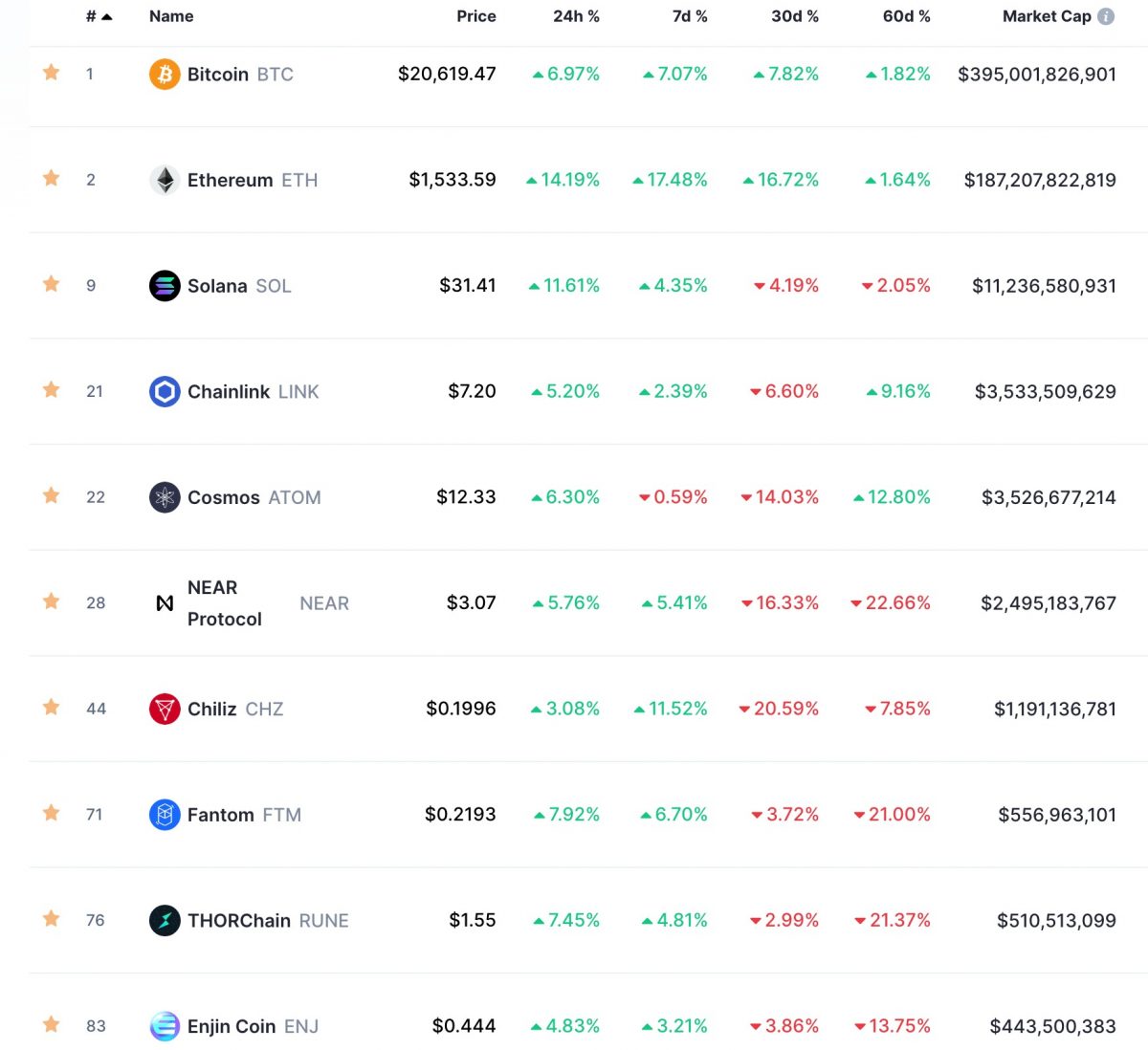
Regulatory changes can have a significant impact on the valuation of crypto companies. As governments worldwide work to create frameworks for cryptocurrencies, any new regulations can affect market confidence and the operations of these firms. Regulatory clarity can enhance institutional investment, while uncertainty can lead to decreased valuations.Market sentiment and investor confidence are crucial factors in determining crypto company valuations.
Market cycles, driven by news, trends, and investor psychology, can lead to rapid valuation changes. When investors are optimistic, valuations may soar, while fear and uncertainty can lead to steep declines.Several technological advancements could influence the future valuations of crypto firms, including:
- Improvements in blockchain scalability and efficiency
- Development of cross-chain interoperability solutions
- Innovations in privacy and security protocols
- Integration of artificial intelligence in crypto trading and analytics
Case Studies of Valuation
Examining well-known crypto companies reveals diverse valuation journeys. For instance, Binance, one of the largest cryptocurrency exchanges, has experienced explosive growth, with its valuation surging alongside the increase in crypto adoption. In contrast, many emerging startups face challenges in achieving similar valuations due to competitive pressure and market saturation.Established crypto companies often enjoy higher valuations compared to emerging startups due to their market presence and established user bases.
Partnerships and collaborations can significantly enhance a company’s credibility and market position, often leading to increased valuations. Companies that secure collaborations with major financial institutions, for example, may see their valuations rise due to increased investor confidence.
Market Trends and Their Impact
Current market trends, such as the rise of non-fungible tokens (NFTs) and increased institutional adoption of cryptocurrencies, are influencing valuations in the cryptocurrency space. These trends are shifting investor focus and capital allocation, driving new valuation paradigms.Market cycles play a pivotal role in crypto valuations, showcasing distinct behaviors when compared to traditional finance. Bull markets typically see inflated valuations, while bear markets can result in drastic declines.
“Expert opinions suggest that the integration of traditional financial metrics with blockchain-specific metrics will shape the future landscape of crypto valuations.”
Valuation in Different Sectors of Cryptocurrency

Valuation approaches vary significantly across different segments of the crypto market. For instance, cryptocurrency exchanges may rely heavily on trading volume as a valuation metric, while blockchain technology firms might focus on their technological innovations and partnerships.NFT companies face unique challenges in valuation due to the speculative nature of their assets and the lack of established metrics. The emotional value attributed to NFTs can complicate traditional valuation methods.Here’s a table illustrating the varying valuation metrics applied in different crypto sectors:
| Crypto Sector | Valuation Metrics |
|---|---|
| Exchanges | Trading volume, user growth, revenue |
| Wallet Providers | Active users, transaction fees |
| Blockchain Technology Firms | Tech partnerships, innovation pipeline |
| NFT Companies | Market trends, rarity, community engagement |
Future of Valuation in Crypto
Predictions for the evolution of crypto company valuation methods over the next decade include increased sophistication in metrics and methodologies, driven by advancements in technology and data analytics. As the market matures, we may see greater reliance on artificial intelligence to assess value more accurately based on real-time data.Global economic changes can profoundly impact the future valuations of the crypto industry.
Economic downturns, changes in monetary policy, and shifting investor attitudes toward risk can all contribute to fluctuations in valuations, making it essential for stakeholders to remain vigilant and informed about both macroeconomic trends and specific market developments.
Final Summary
In conclusion, navigating the complexities of crypto companies valuation reveals not just the numbers, but the stories and strategies behind them. As the industry continues to expand and innovate, staying informed about valuation practices will be key for investors and stakeholders alike. The future promises exciting developments, and understanding these trends will empower better decision-making in the ever-competitive crypto landscape.
Quick FAQs
What are the key factors influencing crypto companies valuation?
Factors include market sentiment, regulatory changes, technological advancements, and competition within the sector.
How do traditional valuation methods apply to crypto companies?
Traditional methods such as DCF and market comparables can be adapted, although they may need adjustments for the volatility and unique characteristics of the crypto market.
Why is understanding crypto company valuation important?
It helps investors make informed decisions, assess risks, and identify potential growth opportunities in a rapidly changing market.
How do partnerships impact the valuation of crypto companies?
Partnerships can enhance credibility, expand market reach, and drive innovation, often leading to increased valuations.
What challenges do DeFi projects face in terms of valuation?
DeFi projects often face regulatory uncertainty, market volatility, and lack of historical data, complicating their valuation processes.