April 29, 2026

branding

Advertising is a cornerstone of modern marketing, shaping consumer perception and driving brand success. This exploration delves into the core principles of advertising, examining its multifaceted role within the broader marketing strategy. From defining its unique characteristics to analyzing its effectiveness, we’ll dissect various aspects of advertising and uncover its strategic significance.

Understanding the intricacies of advertising is crucial for marketers. This detailed overview provides a deep dive into the different types of advertising, their strengths and weaknesses, and how they effectively integrate with overall branding strategies. The evolving landscape of advertising demands a clear comprehension of its key elements and metrics for success.

Defining Advertising

Advertising is a crucial component of marketing strategies, playing a vital role in communicating a brand’s message and driving consumer engagement. It’s a form of persuasive communication that aims to influence consumer behavior towards purchasing a product or service. This involves strategically employing various mediums and channels to reach target audiences effectively.

Concise Definition of Advertising

Advertising, from a marketing perspective, is a paid form of non-personal communication, typically delivered through various media channels, designed to promote a product, service, or brand to a target audience. Its primary goal is to stimulate demand and drive sales.

Key Characteristics Distinguishing Advertising

Advertising is distinct from other marketing communication tools due to several key characteristics. It’s a controlled method of communication, allowing businesses to dictate the message, target audience, and timing of the campaign. Unlike word-of-mouth marketing, which relies on organic spread, advertising leverages paid channels to ensure widespread reach. Further, advertising campaigns often employ creative strategies and visuals to capture attention and generate interest, a key distinction from more factual or informative public relations materials.

Goals and Objectives of Advertising Campaigns

Advertising campaigns are meticulously planned to achieve a range of goals. These can include building brand awareness, generating leads, increasing sales, launching new products, and creating brand loyalty. For example, a new smartphone launch might focus on building awareness and generating pre-orders, while an established brand might concentrate on reminding consumers of its existence and reinforcing its image.

Comparison of Advertising with Other Marketing Tools

Characteristic Advertising Public Relations Sales Promotion
Nature of Communication Paid, non-personal, controlled Earned, largely personal, uncontrolled Short-term incentives to encourage immediate purchase
Goal Promote brand, drive sales, build awareness Build relationships, manage reputation, enhance credibility Increase sales volume, clear out inventory, boost trial
Control over Message High Low Moderate
Examples Television commercials, print ads, online banner ads Press releases, media interviews, social media engagement Coupons, discounts, contests, free samples
Target Audience Mass or segmented Wide or niche Mass or segmented

This table highlights the fundamental differences between advertising, public relations, and sales promotion. Each tool serves a distinct purpose within the broader marketing strategy, and their effective application requires a deep understanding of their respective strengths and weaknesses. For example, a strong public relations campaign can build a brand’s credibility, which advertising can then leverage to drive sales.

Advertising’s Role in Marketing

Advertising is a cornerstone of successful marketing strategies, playing a pivotal role in achieving overall marketing objectives. It serves as a crucial communication channel, bridging the gap between businesses and their target audiences. Effective advertising campaigns can significantly impact brand perception, drive sales, and foster brand loyalty.Advertising’s function in marketing extends beyond simple promotion. It acts as a catalyst, engaging consumers and shaping their perception of a brand or product.

By strategically positioning products and services, advertising can create a demand that drives market share and profitability. Advertising’s role is not merely to inform; it’s to persuade and inspire action.

Advertising’s Contribution to Marketing Objectives

Advertising contributes directly to achieving various marketing objectives, including increasing brand awareness, driving sales, and building brand loyalty. It amplifies marketing messages across multiple touchpoints, solidifying brand recognition in the minds of potential customers. Advertising’s persuasive nature can influence purchasing decisions, leading to a demonstrable rise in sales figures.

Stages of the Marketing Process Where Advertising is Critical

Advertising plays a critical role in multiple stages of the marketing process. During the product development phase, advertising can be instrumental in shaping product features and messaging based on market research and anticipated consumer preferences. In the marketing strategy phase, advertising is pivotal for defining target audiences, creating compelling messaging, and selecting appropriate channels to reach them. The implementation phase, which includes campaign execution, relies heavily on advertising to convey the marketing message effectively and generate interest.

Examples of Successful Advertising Campaigns

Numerous successful advertising campaigns have demonstrably impacted brand market share. For instance, Nike’s “Just Do It” campaign, consistently featuring athletes and emphasizing determination, fostered a strong emotional connection with consumers, significantly increasing brand recognition and driving sales. Similarly, Apple’s marketing campaigns, often focusing on user experience and innovation, have effectively positioned the brand as a leader in the technology industry, achieving significant market share gains through strong brand recognition.

Integration of Advertising with Other Marketing Activities

Advertising seamlessly integrates with other marketing activities, creating a cohesive and comprehensive approach. Public relations efforts, for example, can be supported by advertising to reinforce key messages and reach a wider audience. Content marketing, with its focus on providing valuable information, can be complemented by advertising to enhance brand credibility and drive traffic to specific content. Social media marketing and digital advertising form a powerful synergy, leveraging social platforms to amplify messages and engage directly with consumers.

Sales promotions and other incentivized campaigns can be further strengthened through advertising to create a comprehensive marketing ecosystem.

Types of Advertising

Advertising takes on diverse forms, tailored to specific audiences and media channels. Understanding these variations is crucial for marketers to craft effective campaigns that resonate with their target demographics and achieve desired outcomes. This section explores the key types of advertising, examining their characteristics, advantages, and disadvantages.

Classifying Advertising by Target Audience and Medium

Advertising campaigns are frequently categorized by the intended audience and the chosen medium. This classification helps marketers understand the most effective approaches to reach specific customer segments. Digital advertising, for example, often targets younger demographics, while traditional advertising may be more effective in reaching older generations.

Digital Advertising

Digital advertising encompasses a broad spectrum of online marketing techniques. These methods utilize various platforms like social media, search engines, and websites to connect with potential customers. The dynamic nature of digital advertising allows for precise targeting and measurable results, making it a valuable tool for modern marketers.

  • Search Engine Marketing (SEM): SEM strategies leverage search engine results pages (SERPs) to promote a brand or product. This often involves paid advertising campaigns that appear alongside organic search results, targeting users actively seeking related information.
  • Social Media Advertising: Social media platforms offer comprehensive advertising tools, enabling businesses to tailor campaigns to specific demographics, interests, and behaviors. The visually rich nature of social media is highly effective for showcasing products and building brand awareness.
  • Display Advertising: Display ads, often found on websites and apps, use images, videos, or text to capture attention. They can be highly targeted based on user browsing history and interests.
  • Mobile Advertising: Mobile advertising specifically targets users accessing the internet through mobile devices. This involves developing ads optimized for smaller screens and often integrates location-based services for increased relevance.

Traditional Advertising

Traditional advertising encompasses methods that have been prevalent for decades, employing established channels like print, broadcast, and outdoor media. While less precise in targeting compared to digital advertising, traditional approaches often offer broad reach and high memorability, making them effective for certain types of campaigns.

  • Print Advertising: This includes advertisements in newspapers, magazines, and brochures. Print advertising is known for its tangibility and ability to provide detailed product information.
  • Broadcast Advertising: Television and radio advertisements offer audio-visual engagement with audiences. The impact of broadcast advertising stems from its ability to reach large numbers of people in a short period.
  • Outdoor Advertising: Billboards, posters, and transit advertisements are effective in creating brand awareness in high-traffic areas. They are particularly useful for creating impactful visual reminders of a product or service.

Comparing Digital and Traditional Advertising

The characteristics of digital and traditional advertising differ significantly. Digital advertising offers precise targeting, real-time tracking, and cost-effectiveness for smaller campaigns. Traditional advertising, while potentially less precise, offers broad reach and often creates a more memorable impression.

Advantages and Disadvantages of Advertising Formats

Different advertising formats present distinct advantages and disadvantages. The choice of format depends on the specific marketing goals, target audience, and available budget. For example, while display advertising offers high visibility, it can also be less effective at driving immediate sales compared to targeted search ads.

Effectiveness of Different Advertising Channels

The effectiveness of advertising channels is often influenced by the specific campaign goals and target audience. A thorough analysis of various factors, such as campaign duration, budget allocation, and media reach, can help marketers evaluate the optimal approach.

Advertising Channel Effectiveness Strengths Weaknesses
Print (Newspapers, Magazines) Moderate to High Tangible, detailed information, broad reach Lower targeting precision, slower response, high production costs
Broadcast (TV, Radio) High Large audience reach, engaging visuals/audio, impactful messaging Expensive, less precise targeting, fleeting nature of the message
Online (Search, Social Media) High Precise targeting, measurable results, real-time adjustments Requires technical expertise, potential for ad fatigue, ad blockers
Outdoor (Billboards, Transit) Moderate High visibility, brand reinforcement Limited message length, difficult to measure ROI

Elements of an Effective Advertising Campaign

A successful advertising campaign hinges on a meticulous blend of strategic planning and creative execution. Understanding the target audience, crafting a compelling brand message, and executing the campaign with impactful visuals are all crucial components. This approach ensures the campaign resonates with the intended audience and achieves its objectives.

Target Audience Understanding

Knowing your target audience is paramount. A deep understanding of their demographics, psychographics, needs, and motivations is essential to crafting messages that truly connect. This detailed knowledge informs every aspect of the campaign, from the language used to the imagery employed. Without a precise understanding of who you are trying to reach, your campaign risks falling flat and missing its mark.

For example, an advertising campaign for a luxury sports car would target a different audience (high-income individuals interested in status and performance) than a campaign for a budget-friendly smartphone (targeting a broader range of income levels and focusing on value and practicality).

Strong Brand Message

A strong brand message is the heart of any effective advertising campaign. It encapsulates the core values, personality, and unique selling proposition (USP) of the brand. This message must be consistent across all platforms and touchpoints, reinforcing the brand identity and creating a memorable impression. A well-defined brand message ensures that consumers understand the brand’s essence and the value it offers.

For instance, Apple’s brand message consistently emphasizes innovation, simplicity, and user experience. This message permeates every aspect of their marketing, from product design to advertising campaigns.

Creative Execution and Visuals

Creative execution and compelling visuals play a vital role in capturing attention and driving engagement. The visuals used in advertising must be aesthetically pleasing, relevant to the brand, and appropriate for the target audience. Creative executions must be innovative and memorable, distinguishing the campaign from competitors and leaving a lasting impact. Effective advertising uses a variety of media, from television commercials to social media posts.

A successful example is Nike’s iconic “Just Do It” campaign, which utilized powerful imagery and a simple, yet impactful message to resonate with a broad audience.

Developing a Compelling Advertising Message

Crafting a compelling advertising message involves a structured process. First, identify the key message that you want to convey. This should be concise and reflect the brand’s value proposition. Next, define your target audience and understand their needs and desires. Then, develop creative concepts and visuals that align with the message and resonate with the target audience.

Finally, test and refine the message based on feedback and performance data. This iterative process ensures that the message effectively communicates the brand’s value and connects with the intended audience. This involves a detailed strategy of identifying the desired outcome, defining the target audience, and crafting a clear and concise message.

Advertising and Branding Strategy

Advertising plays a crucial role in solidifying a brand’s identity and message in the marketplace. It’s not simply a standalone activity but an integral component of a comprehensive branding strategy, acting as a powerful tool to build awareness, foster recognition, and ultimately, drive sales. Effective advertising campaigns are deeply intertwined with a brand’s overall positioning and objectives.Advertising acts as a conduit, translating the essence of a brand into tangible, engaging messages that resonate with target audiences.

By consistently communicating the brand’s values, personality, and unique selling propositions, advertising cultivates a strong brand identity. This, in turn, fosters customer loyalty and preference, setting the brand apart in a competitive landscape.

Relationship Between Advertising and Branding Strategy

Advertising is a critical element of a cohesive branding strategy. It directly supports and reinforces the brand’s identity, creating a unified message across all touchpoints. A well-defined brand strategy provides the framework for advertising campaigns, ensuring they are aligned with overall brand goals and objectives. This alignment ensures that advertising efforts effectively communicate the brand’s core message and values.

How Advertising Supports Brand Identity

Advertising campaigns can effectively communicate and reinforce a brand’s unique personality, values, and visual identity. Consistent use of logos, color palettes, and imagery in advertising materials reinforces the brand’s visual cues and establishes a recognizable aesthetic. This consistency builds familiarity and trust with the target audience.

Building Brand Awareness and Recognition Through Advertising

Advertising campaigns are designed to increase brand awareness and recognition. Repeated exposure to the brand’s message, through various advertising channels, helps consumers become familiar with the brand. Effective campaigns often employ memorable slogans, jingles, or visual elements to enhance brand recall. This repetition creates a stronger impression in the minds of consumers.

Comparing Advertising in Different Brand Building Strategies

Different brand building strategies may utilize advertising in various ways. For example, a brand focused on luxury might employ sophisticated, high-end advertising to project an image of exclusivity. Conversely, a brand targeting a younger demographic might utilize more vibrant, edgy advertising to reflect a trendy and contemporary image. The choice of advertising style and channels directly corresponds to the specific brand image and target audience.

Examples of Successful Advertising for Brand Building

Numerous brands have successfully leveraged advertising to build a powerful brand image. Nike, for example, consistently uses advertising to emphasize athleticism, empowerment, and the pursuit of excellence. This consistent messaging has cemented their brand as a leader in athletic apparel and footwear. Similarly, Apple’s advertising campaigns often focus on innovation, user-friendliness, and a sleek aesthetic, effectively reinforcing their brand image as a company pioneering technology.

Other successful examples include Coca-Cola, consistently using emotional appeals to evoke feelings of happiness and togetherness, and McDonald’s, often emphasizing convenience and family-friendly experiences.

Aligning Advertising Campaigns with Branding Strategy

Step Description
1. Define Brand Identity Clearly articulate the brand’s mission, values, target audience, and unique selling proposition.
2. Establish Brand Positioning Determine how the brand will be perceived in the marketplace relative to competitors.
3. Develop Advertising Objectives Define specific, measurable, achievable, relevant, and time-bound (SMART) goals for the advertising campaign.
4. Identify Target Audience Precisely define the demographic, psychographic, and behavioral characteristics of the target audience.
5. Create Advertising Messaging Develop a clear and compelling message that aligns with the brand identity and resonates with the target audience.
6. Select Advertising Channels Choose the appropriate channels to reach the target audience, considering their media preferences.
7. Implement and Monitor Campaign Execute the campaign, track key metrics, and make necessary adjustments.
8. Evaluate Campaign Effectiveness Assess the campaign’s impact on brand awareness, perception, and sales.

Measuring Advertising Effectiveness

Assessing the return on investment (ROI) of advertising campaigns is crucial for optimizing marketing strategies and ensuring future success. Accurate measurement enables marketers to understand what works, refine approaches, and allocate resources effectively. Understanding the various metrics and methods for evaluating advertising effectiveness is vital for demonstrably successful campaigns.

Key Metrics for Evaluating Advertising Campaigns

Different advertising campaigns employ various strategies and target different demographics. Consequently, a single metric may not be sufficient to evaluate the effectiveness of all campaigns. A comprehensive approach necessitates using a range of metrics, tailored to the specific campaign objectives.

  • Brand Awareness: This metric assesses the level of recognition and recall of a brand among the target audience. Methods like surveys and focus groups can quantify the percentage of respondents who recognize the brand logo, slogan, or product name. For example, a campaign aimed at building brand awareness might track social media mentions, website visits, or online searches related to the brand.

  • Sales Growth: This metric directly measures the impact of advertising on revenue. Analyzing sales data before and after a campaign provides a clear picture of the campaign’s contribution to revenue generation. For instance, a new product launch might see a significant uptick in sales following an advertising campaign.
  • Website Traffic: This metric tracks the number of visitors to a website. An increase in website traffic can indicate the effectiveness of online advertising campaigns. For example, a company running banner ads on relevant websites might measure the increase in website visits as a result.
  • Lead Generation: This metric focuses on the number of potential customers generated by the campaign. Tracking leads through contact forms, landing pages, or other interactive elements provides valuable insight into the campaign’s conversion rates. A well-designed advertising campaign might generate a significant number of leads interested in a specific product or service.
  • Customer Engagement: This metric measures the interaction of customers with the brand across various platforms. Metrics include social media engagement (likes, comments, shares), email open rates, and website interaction (time spent on pages, click-through rates). This demonstrates how well the campaign resonates with the target audience.

Tracking and Analyzing Campaign Performance

Effective tracking and analysis are essential to understand how advertising campaigns are performing. A combination of tools and techniques are used to gather and interpret data.

  • Web Analytics Tools: Tools like Google Analytics provide detailed insights into website traffic, user behavior, and conversion rates. They track metrics like bounce rates, session duration, and source of traffic.
  • Sales Data Analysis: Analyzing sales data before, during, and after the campaign allows for assessing the impact on revenue. Tracking changes in sales figures, along with identifying specific product sales influenced by the campaign, provides valuable insights.
  • Social Media Analytics: Platforms like Facebook Insights and Twitter Analytics provide metrics on campaign reach, engagement, and audience demographics. Tracking the number of impressions, likes, and shares helps gauge the campaign’s success.

Importance of Return on Investment (ROI) in Advertising

ROI is a crucial metric for evaluating advertising campaigns. It quantifies the profitability of an advertising investment by comparing the revenue generated to the cost of the campaign. Understanding ROI enables informed decision-making about future advertising investments. For example, if a campaign generates a higher ROI than other campaigns, that campaign should be prioritized for future investment.

Tools and Techniques for Assessing Advertising Effectiveness

A variety of tools and techniques can be employed to assess advertising effectiveness.

  • A/B Testing: This technique involves comparing two versions of an advertisement or campaign element to determine which performs better. Key metrics like click-through rates, conversion rates, and sales can be compared.
  • Surveys and Focus Groups: Gathering feedback from target audiences through surveys or focus groups can provide insights into the campaign’s effectiveness in achieving its objectives.
  • Market Research: Market research methodologies can be used to assess the effectiveness of the campaign by identifying how consumers perceive the brand, products, or services.

Example Table: Key Metrics for Evaluating Different Advertising Campaigns

Campaign Type Brand Awareness Sales Growth Website Traffic Lead Generation Customer Engagement
Social Media Campaign Reach, engagement, impressions Sales volume, conversion rate Website visits, time on site Leads, contact form submissions Likes, comments, shares, reviews
Print Advertisement Brand recall, recognition Increased sales, coupon redemption rate Website visits, phone inquiries Lead generation through coupons, call-in lines Customer feedback, brand mentions
Television Commercial Brand recall, familiarity Sales volume, product demand Website visits, online inquiries Leads through call-in lines, website forms Customer surveys, social media buzz

Ethical Considerations in Advertising

Advertising, while a powerful tool for marketing, carries significant ethical responsibilities. Businesses must ensure their promotional efforts are not only persuasive but also truthful and respectful. A strong ethical foundation in advertising builds trust with consumers and fosters a positive brand image in the long run.Ethical advertising goes beyond simply avoiding blatant falsehoods. It encompasses a broader set of principles, including fairness, transparency, and respect for cultural sensitivities.

This approach is crucial in today’s increasingly interconnected world, where consumers are more aware and discerning than ever before.

Truth and Accuracy in Advertising Messages

Maintaining truth and accuracy in advertising messages is paramount. Misleading claims, whether explicit or implied, erode consumer trust and can have serious legal and reputational consequences. This includes avoiding exaggerated or unsubstantiated claims about product performance, benefits, or features. Companies must back up their advertising with concrete evidence and verifiable data. For instance, a claim that a product “doubles your energy” should be supported by scientific evidence or rigorous testing.

Potential for Misleading or Deceptive Advertising

Deceptive advertising can take various forms, including the use of ambiguous language, visual distortion, or the omission of crucial information. These tactics aim to mislead consumers into making purchase decisions they wouldn’t otherwise make. Examples include using small print to downplay negative aspects or implying a product’s benefits based on unsubstantiated or misleading testimonials. Companies must ensure their advertising is clear, concise, and avoids any ambiguity that could lead to misinterpretations.

Role of Advertising Self-Regulatory Bodies

Advertising self-regulatory bodies play a vital role in maintaining ethical standards. These organizations, often industry-led, establish codes of conduct and provide mechanisms for resolving complaints. They typically include processes for evaluating advertising materials against established ethical guidelines, offering advice and mediation, and ultimately, issuing rulings. For instance, the Advertising Standards Authority (ASA) in the UK is a key player in upholding ethical advertising practices within the UK market.

Ethical Standards in Advertising Across Different Cultures and Regions

Advertising campaigns must consider cultural nuances and sensitivities across diverse markets. What resonates positively in one culture might be offensive or inappropriate in another. For instance, humor or imagery that is culturally acceptable in one region may be considered inappropriate or insensitive in another. Understanding and respecting cultural norms is crucial for successful and ethical advertising in a globalized market.

Common Ethical Issues in Advertising and Potential Solutions

Ethical Issue Potential Solution
Exaggerated or unsubstantiated claims Provide verifiable data, independent testing results, or endorsements to support claims.
Omission of crucial information Clearly disclose all relevant information, including limitations, potential risks, and side effects.
Misleading comparisons Ensure comparisons are fair, accurate, and relevant, and avoid misleading presentations of competitors’ products.
Exploitation of vulnerable consumers Avoid targeting vulnerable consumers with aggressive or manipulative tactics, especially those with limited financial resources or susceptibility to emotional appeals.
Cultural insensitivity Conduct thorough cultural research and engage with diverse communities to ensure advertising campaigns are culturally appropriate and respectful.

Epilogue

In conclusion, marketing definition of advertising encompasses a vast array of strategies, techniques, and considerations. From understanding its role in the broader marketing mix to measuring its impact, this discussion highlights the critical nature of effective advertising campaigns. By focusing on target audiences, strong brand messaging, and creative execution, businesses can achieve significant results. Ultimately, successful advertising is an art and a science, demanding a thorough understanding of market dynamics and ethical considerations.

FAQ Section

What distinguishes advertising from other marketing communication tools?

Advertising is typically paid media, aiming to reach a broad audience with a persuasive message. It differs from public relations, which focuses on building relationships, and sales promotion, which uses incentives to drive immediate sales.

What are the ethical considerations in advertising?

Ethical advertising practices prioritize truthfulness and accuracy in messaging. It’s crucial to avoid misleading or deceptive claims and adhere to industry standards and cultural sensitivities.

How can I measure the effectiveness of my advertising campaign?

Tracking key metrics like impressions, click-through rates, conversions, and return on investment (ROI) provides crucial insights. Analyzing campaign data helps identify areas for improvement and optimize future efforts.

What are some examples of successful advertising campaigns?

Numerous campaigns demonstrate the power of advertising. Examples often showcase a strong brand message, compelling visuals, and a well-defined target audience, ultimately leading to increased brand awareness and market share.
Branding iron maker plays a crucial role in various industries, serving as a bridge between creativity and functionality. These artisans have evolved through history, shaping the way brands and products are recognized. From livestock management to custom artisan crafts, their work is vital in creating lasting impressions.

This overview will delve into the types of branding irons, the processes behind their creation, and how they are used across different sectors. With insights into customization options and maintenance tips, we aim to provide a comprehensive understanding of the branding iron maker’s world.

Introduction to Branding Iron Makers

¿Qué significa el branding?

Branding iron makers play a crucial role in various industries, providing a unique means of identification and personalization for products and livestock alike. Their craftsmanship not only ensures that items are marked with a brand, but also that those brands carry meaningful connections to their owners, enhancing brand loyalty and visibility in the marketplace.The history of branding irons dates back to ancient civilizations, where they were primarily used to signify ownership of livestock.

Over time, the evolution of branding irons has been influenced by advances in metallurgy and technology, leading to a range of styles and materials that cater to different industries, from agriculture to artisanal crafts. The transition from simple metal stamps to sophisticated branding techniques highlights the development of branding iron makers as essential artisans in the marking industry.

Materials Used in Making Branding Irons

The choice of material in the production of branding irons significantly impacts their effectiveness and durability. Various materials are employed, each with its own set of characteristics suitable for different branding applications. Understanding these materials is essential for both branding iron makers and users. Commonly Used Materials:

  • Steel: The most prevalent material for branding irons due to its strength and ability to retain heat effectively, making it ideal for creating clear, lasting marks.
  • Brass: Often used for lighter branding applications, brass offers a good balance between durability and ease of handling, making it popular among small-scale producers.
  • Aluminum: Lightweight and resistant to corrosion, aluminum branding irons are becoming increasingly popular for certain applications, especially in environments where moisture is a concern.
  • Iron: Traditional iron branding irons are still favored for their robustness, particularly in agricultural settings, where they withstand the rigors of outdoor use.

The selection of materials is not merely a practical consideration, but one that influences the branding process’s efficiency, effectiveness, and the longevity of the brands produced.

“Material choice in branding irons directly affects the quality of the brand and the ease of use for the maker.”

Types of Branding Irons

Branding irons play a critical role in various industries, from livestock to crafts, helping to mark ownership or add a personal touch. Understanding the different types of branding irons available can aid in selecting the right tool for your specific needs.Branding irons can be categorized into two main types: electric branding irons and traditional manual branding irons. Each type offers unique advantages and is suited for different applications, making it essential to know their distinctions for effective use.

Electric Branding Irons

Electric branding irons utilize an electric heating element to achieve the desired temperature quickly. They are generally easier to use and provide consistent heat, allowing for clear, sharp impressions. These irons are ideal for high-volume branding due to their efficiency and reliability.

Traditional Branding Irons

Traditional branding irons are heated directly through a flame or a heat source, which requires more preparation and monitoring. While they may take longer to heat up, they offer versatility in terms of design and can be used in various environments. These irons are often favored for their authentic feel and traditional craftsmanship.

Shapes and Sizes of Branding Irons

Branding irons come in various shapes and sizes tailored for specific uses, ensuring that they meet the requirements of different industries. The choice of shape and size is essential for achieving the desired branding effect.

  • Alphabet and Number Irons: Commonly used for personalizing items, such as leather goods or metal products, these irons are available in various font styles and sizes.
  • Custom Logos: Many branding iron makers can create custom shapes or logos, allowing businesses to brand their products with unique identifiers that enhance brand recognition.
  • Symbolic Shapes: Irons shaped like animals, tools, or other symbols are popular in specific industries, such as ranching or artisanal crafts, providing a thematic branding option.
  • Varied Sizes: Branding irons can range from small handheld designs for personal projects to large industrial irons suitable for mass production, ensuring flexibility for all branding needs.

“Choosing the right branding iron not only enhances product appeal but also reinforces brand identity.”

The Process of Creating Branding Irons

The journey of crafting a branding iron is a meticulous one, transforming an idea into a tangible tool that can leave a mark. From concept to completion, several steps ensure that the final product is not only functional but also visually appealing and durable. Understanding this process is vital for anyone looking to delve into the world of branding iron manufacturing.Creating branding irons involves a detailed sequence of steps that encompasses design, material selection, and various crafting techniques.

The process typically begins with conceptualization, where the desired design is sketched out, often using digital design software to create precise and scalable layouts. Once the design is finalized, the next step involves selecting the right materials, which could include metals like brass, steel, or aluminum, based on the intended use and desired durability of the branding iron.

Steps Involved in Designing a Branding Iron

The design phase is crucial, as it sets the foundation for the branding iron’s functionality and aesthetics. The following steps are typically involved:

  • Conceptualization: Initial ideas are brainstormed, often with sketches or digital mock-ups to visualize the final product.
  • Material Selection: Choosing the right metal is essential for the strength and longevity of the branding iron. Common choices include brass for its excellent heat retention and steel for its robustness.
  • Prototyping: A prototype is often created to test the design and ensure it meets the desired specifications and quality standards.
  • Final Design Approval: The prototype undergoes review, and necessary adjustments are made before moving into production.
  • Manufacturing: The final branding iron is crafted using chosen methods, such as engraving or casting.

Techniques Used in Crafting Branding Irons

There are several crafting techniques employed in the creation of branding irons, each with its unique advantages and applications. The two predominant methods are engraving and casting:

  • Engraving: This technique involves cutting or carving the design into a metal surface, ensuring high precision and detail. It is particularly useful for intricate designs and logos.
  • Casting: In casting, molten metal is poured into a mold to create the branding iron. This method is excellent for bulk production and allows for detailed shapes and designs to be achieved efficiently.

Comparative Manufacturing Processes of Branding Iron Makers

Different branding iron makers utilize distinct manufacturing processes tailored to their capabilities and the products they offer. The following table provides a comparison of some common methods used by various makers in the industry:

Branding Iron Maker Manufacturing Process Materials Used Typical Lead Time
Maker A Laser Engraving Stainless Steel 2 Weeks
Maker B Hand Engraving Brass 3 Weeks
Maker C Aluminum Casting Aluminum 1 Week
Maker D 3D Printing Plastic and Metal Composites 4 Weeks

Each of these makers brings a unique perspective and expertise to the branding iron creation process, resulting in a diverse range of products available in the market. Understanding these processes helps potential customers make informed choices when selecting branding irons tailored to their specific needs.

Applications of Branding Irons

Branding irons serve a multitude of purposes across various industries, playing a critical role in identification and quality assurance. Their applications can be observed in traditional farming practices, product labeling, and even in the artisan craft sector, where they symbolize authenticity and craftsmanship.In the livestock industry, branding irons are crucial for marking animals, which helps farmers and ranchers manage their herds efficiently.

This practice not only prevents theft but also aids in tracking ownership and lineage, thereby enhancing breeding programs. The branding process, often involving heat-induced marks, ensures that animals can be easily recognized during sales or exhibitions.

Livestock Management and Ownership Identification

Branding irons provide a practical solution for livestock management, ensuring that animals are distinctly marked for ownership. The significance of branding in this context includes:

  • Prevention of Theft: A clear brand serves as a deterrent to potential thieves, as branded livestock are easily identifiable and traceable.
  • Ownership Tracking: Brands allow owners to keep track of their animals, especially in large herds, facilitating better management and record-keeping.
  • Herd Health Monitoring: Branding can aid in identifying health records and vaccination histories by marking animals that have received specific treatments.
  • Market Value Enhancement: Branded livestock often fetch higher prices at market due to their identifiable lineage and perceived quality.

The use of branding in livestock also connects to tradition and heritage, with many ranchers utilizing unique symbols that represent their family or business, thus preserving their legacy.

Product Labeling and Branding

In the commercial sector, branding irons are applied for product labeling, particularly in artisanal food production and handcrafted goods. The significance of branding in product labeling can be highlighted through the following points:

  • Authenticity: Branding irons create a unique mark that signifies authenticity, distinguishing products from mass-produced alternatives.
  • Visual Appeal: A well-designed branding iron can enhance the aesthetic appeal of a product, making it more attractive to consumers.
  • Traceability: Brands help consumers trace the origin of products, fostering trust and transparency in food sourcing.
  • Consumer Loyalty: A recognizable brand can lead to increased customer loyalty, as consumers often prefer familiar and trusted products.

Artisan crafters, from woodworkers to leather artisans, often use branding irons to leave their mark on their creations, thereby adding value and traceability to their work.

Artisan Crafting and Customization

Branding irons also play a significant role in the arts and crafts sector, where they are used for customization and personalization of products. Their applications in this area include:

  • Personalized Gifts: Branding irons allow artisans to create customized gifts, making items unique and special for recipients.
  • Brand Representation: Craftspeople use branding to consistently showcase their brand’s identity across various products, enhancing brand recognition.
  • Quality Assurance: A brand mark can signify a commitment to quality, reassuring consumers that they are purchasing a product that meets certain standards.
  • Storytelling: The brand can tell a story about the artisan’s background or the craftsmanship involved, adding a personal touch to the items.

The versatility of branding irons across different industries underscores their importance not just as tools for marking, but as symbols of identity, quality, and heritage in today’s marketplace.

Customization and Personalization Options

In the world of branding, having a unique identity is crucial for standing out in the marketplace. Customization and personalization of branding irons allow businesses and individuals to express their unique identity and values. By opting for tailored branding solutions, you create a lasting impression that resonates with your target audience.When considering customization options for branding irons, there are several aspects that can be tailored to meet specific customer needs.

These include the size, shape, material, and design of the branding iron. Each of these factors contributes significantly to the final product’s effectiveness and aesthetic appeal. Brands can choose from a variety of shapes—be it traditional or modern—and materials, such as steel or brass, to suit different applications.

Checklist for Ordering a Personalized Branding Iron

Creating a personalized branding iron is an exciting process, and having a checklist helps ensure that all necessary considerations are met. When placing an order, customers should consider the following points:

  • Size: Determine the ideal size of the branding iron based on the intended application and the surface area to be branded.
  • Shape: Decide on a shape that represents your brand effectively, whether it’s a logo, initials, or a unique design.
  • Material: Choose between materials like stainless steel, brass, or copper, each offering different benefits regarding durability and heat retention.
  • Design Complexity: Evaluate the intricacy of the design; simpler designs are often more effective and easier to produce.
  • Handle Type: Select a handle style that aligns with comfort and usability, ensuring safe handling during the branding process.
  • Heat Source: Consider how the branding iron will be heated (electric or manual) to ensure compatibility with the chosen design.
  • Quantity: Plan the number of branding irons needed, as this may affect pricing and production time.

The customization of branding irons significantly impacts brand identity. Unique branding designs can enhance recognition and convey a brand’s values and story. A well-designed branding iron can serve as a powerful marketing tool, ensuring that when customers see your brand, they immediately associate it with quality and uniqueness.

“Distinctive branding not only fosters recognition but also builds loyalty and trust with your customers.”

Incorporating personalized elements into branding enhances emotional connections with customers, making them feel more inclined to engage with and support the brand. Such strategic branding efforts can lead to increased customer retention and can set a business apart in a crowded marketplace.

Maintenance and Care for Branding Irons

Proper maintenance and care are essential for ensuring that branding irons function effectively and last for years. With regular upkeep, it’s possible to avoid common issues that can arise from neglect. By following a few straightforward guidelines, users can keep their branding irons in excellent condition, allowing for consistent and high-quality branding results.Branding irons are typically made from durable materials, yet they require specific maintenance practices to prevent rust, wear, and other common problems.

Understanding the proper cleaning methods and recognizing early signs of issues can significantly extend the lifespan of your branding tools.

Guidelines for Maintenance

To maintain the integrity and performance of branding irons, it’s important to adhere to the following guidelines:

1. Clean After Each Use

Immediately after using a branding iron, clean it with a damp cloth to remove any residue. This prevents buildup that could affect the quality of future impressions.

2. Avoid Soaking

Do not immerse the branding iron in water or cleaning solutions, as this can lead to rusting.

3. Dry Thoroughly

After cleaning, ensure the branding iron is completely dry before storing it. Moisture can lead to corrosion.

4. Oil for Protection

Applying a light coat of mineral oil can help protect the iron from moisture and rust. Use a soft cloth to apply the oil evenly.

Troubleshooting Common Issues

Branding irons can encounter several common problems that may affect their performance. Here are some of the issues and how to address them:

Poor Impressions

If the branding iron is not making clear impressions, check for residue buildup or damage to the heating element. Clean the iron thoroughly and inspect for any signs of wear.

Rust Formation

If rust appears, it can usually be removed with fine steel wool or a rust remover, followed by a thorough cleaning and oiling to prevent recurrence.

Heating Problems

If the branding iron isn’t heating properly, verify the power source and connections. A faulty cord or plug may require replacement.

Recommended Cleaning Supplies and Methods

Choosing the right cleaning supplies can make a significant difference in maintaining branding irons. Here’s a list of recommended items and methods:

Soft Cloths

Use microfiber cloths to wipe down the iron without scratching the surface.

Mild Detergent

A gentle soap solution can be used for cleaning any stubborn residue.

Fine Steel Wool

This is effective for removing rust without damaging the iron’s surface.

Mineral Oil

Applying mineral oil helps protect against rust and preserves the iron’s condition.It’s essential to regularly assess the condition of your branding irons and take proactive steps to ensure they remain in optimal working order. By following these maintenance tips and using the right supplies, users can ensure that their branding irons deliver consistent and high-quality results for years to come.

Choosing the Right Branding Iron Maker

Selecting the ideal branding iron maker is a crucial decision that can significantly impact the quality of your branding needs. With various options available, it is essential to consider multiple factors that align with your specific requirements and preferences.When choosing a branding iron maker, key factors such as material quality, design capabilities, production time, and customer service should be taken into account.

Understanding these elements will help you make an informed decision and ensure that the branding irons you receive meet your expectations.

Key Factors to Consider

Identifying the right branding iron maker involves evaluating several important factors:

  • Material Quality: The durability and effectiveness of a branding iron heavily depend on the materials used. Stainless steel and brass are popular choices for their longevity.
  • Design Capabilities: Check if the maker can accommodate custom designs and if they offer assistance in creating unique branding irons tailored to your needs.
  • Production Time: Consider the lead time for production. A reliable maker should provide clear timelines for when you can expect your order.
  • Customer Service: Choose a maker known for responsive and helpful customer support, especially in terms of addressing questions or concerns during the ordering process.
  • Price: While high quality often comes at a higher price, ensure that the pricing aligns with your budget while still meeting quality standards.

Importance of Customer Reviews and Testimonials

Customer reviews and testimonials play a vital role in your decision-making process when selecting a branding iron maker. These reflections provide valuable insights into the experiences of others and can indicate the reliability and quality of the products offered.

Positive testimonials often highlight the consistency in quality, timely delivery, and excellent customer service.

Reading through customer experiences can also alert you to any potential issues, such as recurring problems with quality or service, allowing you to steer clear of makers that might not meet your expectations.

Comparison of Branding Iron Makers

To facilitate your decision, here’s a comparison table showcasing various branding iron makers and their features:

Branding Iron Maker Material Quality Customization Options Production Time Customer Service Rating Price Range
IronCraft High-grade Stainless Steel Full Customization 3-5 Days 4.8/5 $$$
BrandMark Brass and Copper Limited Customization 1-2 Weeks 4.5/5 $$
StampIt Aluminum & Steel Custom Text Only 5-7 Days 4.0/5 $
HotBranding High-Quality Steel Full Customization 4-6 Days 4.7/5 $$$

Future Trends in Branding Irons

The branding iron industry is on the brink of significant change, influenced by emerging technologies and evolving consumer preferences. As artisans and manufacturers adapt to these trends, the future of branding irons promises innovative methods, materials, and sustainable practices that will redefine the landscape.Technological advancements are paving the way for a new era in the branding iron sector. The rise of laser technology, for instance, is transforming traditional branding methods by allowing for precision and intricate designs that were previously impossible.

Laser branding irons can create detailed logos and patterns on various materials with minimal heat damage, making them an attractive option for modern businesses. Additionally, the integration of 3D printing is making waves, enabling brands to produce customized branding irons on-demand, thus reducing production lead times and costs.

Emerging Technologies in Branding Irons

Several cutting-edge technologies are set to reshape the branding iron industry, enhancing efficiency and creativity in production.

  • Laser Engraving: This technology offers high precision and versatility, allowing brands to create complex designs with ease. It also reduces the risk of material damage during the branding process.
  • 3D Printing: With the ability to produce intricate designs, 3D printing opens possibilities for rapid prototyping and customization, catering to unique branding needs.
  • Smart Branding Tools: Innovations in IoT (Internet of Things) may lead to smart branding irons that offer features such as temperature control, digital designs, and connectivity to design software, streamlining the branding process.

The evolution of branding methods is also being guided by a shift towards more sustainable practices. As consumers become increasingly environmentally conscious, the branding iron industry is responding by sourcing eco-friendly materials and implementing sustainable production techniques.

Sustainability in Branding Iron Production

Sustainability is becoming a critical factor in the production of branding irons, reflecting a broader trend across industries.

  • Recycled Materials: Manufacturers are increasingly using recycled metals and sustainable resources to create branding irons, reducing waste and environmental impact.
  • Energy-Efficient Production: The adoption of energy-efficient machinery in production processes minimizes carbon footprints and promotes sustainable manufacturing practices.
  • Eco-Friendly Packaging: Companies are focusing on sustainable packaging solutions, supporting their commitment to a greener planet while delivering products.

The confluence of technology and sustainability is set to influence not only how branding irons are produced but also how they are perceived in the marketplace. Brands that adopt these trends stand to benefit from enhanced customer loyalty and a stronger market presence, ultimately leading to a more conscientious approach to branding.

Summary

In summary, the role of a branding iron maker extends beyond mere craftsmanship; it embodies the essence of branding and identity. As industries evolve and new technologies emerge, the importance of these makers will continue to grow, ensuring that every brand can leave a unique mark in their respective fields.

Top FAQs

What materials are commonly used in branding irons?

Common materials include steel, brass, and sometimes aluminum, chosen for their durability and heat retention.

How can I customize my branding iron?

Customization options typically include size, shape, and unique designs or logos, allowing you to create a personalized branding tool.

What maintenance is required for branding irons?

Regular cleaning, proper storage, and occasional checks for wear are essential to maintain their functionality and longevity.

Can branding irons be used on different materials?

Yes, branding irons can be used on wood, leather, and certain metals, depending on the design and heat settings.

Are there electric branding irons?

Yes, electric branding irons are available and offer convenience and consistent heating for efficient branding.

Branding iron casper stands out as an innovative tool in the world of branding, captivating users with its ability to create lasting impressions. This versatile branding iron combines traditional craftsmanship with modern design, making it a must-have for various industries seeking to personalize their products.

From its historical significance to its contemporary applications, branding irons have evolved significantly, and the branding iron casper offers a unique blend of reliability and creativity that appeals to both small businesses and DIY enthusiasts alike.

Branding Iron Overview

Branding irons are tools used to permanently mark or label objects, often made of metal and heated to create a distinct impression. These implements serve various industries, from agriculture to manufacturing, by providing a lasting identification method. The significance of branding irons spans historical, cultural, and practical realms, showcasing their evolution and pivotal role in different sectors.Branding irons have a rich history rooted in the necessity of ownership identification.

Initially utilized by farmers to mark livestock, these tools evolved to serve various functions across numerous industries, including woodworking, leathercraft, and even culinary arts. The process typically involves heating the iron, which bears a unique symbol, logo, or text, and then applying it to the desired surface. This simple yet effective marking method not only indicated ownership but also conveyed quality and authenticity in products.

Historical Significance of Branding Irons

The historical significance of branding irons is deeply embedded in their utility across various sectors. They became essential in the agricultural industry, particularly for ranchers who needed to identify their cattle. Additionally, branding irons played a role in trade, where merchants used them to signify their brands on goods, enhancing visibility and trust among consumers. Over time, the symbolism of branding extended beyond mere identification, representing quality assurance and craftsmanship.

Types of Branding Irons

There are several types of branding irons available in the market, each designed for specific applications and materials. Understanding these options helps users select the right branding iron for their needs, ensuring effective and lasting impressions.The types of branding irons include:

  • Electric Branding Irons: These irons utilize electrical heating elements for quick heating and consistent temperatures, making them ideal for prolonged use in commercial settings.
  • Traditional Manual Branding Irons: Often heated over an open flame or a forge, these irons are typically used for livestock and offer a rustic appeal. They require more effort but are favored for their authenticity.
  • Custom Branding Irons: Tailored to individual specifications, these irons can bear unique logos or designs, making them popular among artisans and businesses wanting to establish a brand identity.
  • Cold Branding Irons: Rather than using heat, these irons employ cold temperatures to mark livestock, minimizing pain and stress for the animals while still providing a permanent mark.

The choice of branding iron can significantly impact the quality of the branding process, influencing both the appearance and durability of the mark. As industries evolve, the demand for innovative branding solutions continues to grow, ensuring that branding irons remain a vital tool in various commercial and craft applications.

Branding Iron Casper

The Branding Iron Casper stands out as a top-tier choice for branding enthusiasts and professionals alike. With its unique features and quality construction, it offers an unparalleled experience in the branding process. This model is designed not only for performance but also for ease of use, ensuring that every branding job is executed with precision.The Branding Iron Casper is distinguished by several innovative features that set it apart from other models in the market.

Its ergonomic handle ensures a comfortable grip, allowing for extended use without fatigue. Additionally, the heating element is engineered for rapid heat-up, reducing wait times and increasing efficiency during branding sessions. This model also comes with adjustable temperature settings, which provide flexibility depending on the material being branded, ensuring optimal results every time.

Materials Used in Construction

The durability and effectiveness of the Branding Iron Casper can be attributed to the high-quality materials utilized in its construction. The iron head is crafted from heavy-duty steel, which not only withstands high temperatures but also ensures a long lifespan. The handle is made from a heat-resistant composite, offering both comfort and safety during operation. This combination of materials guarantees that the Branding Iron Casper remains reliable, even under demanding conditions.

Performance Testimonials

Customers have praised the Branding Iron Casper for its outstanding performance and reliability. Many users have reported a significant reduction in branding time due to its efficient heating capabilities. The adjustable temperature settings have been particularly highlighted, allowing for precise branding on a variety of materials, from leather to wood.

“The Branding Iron Casper has completely changed the way I approach my projects. The adjustable heat settings allowed me to brand leather without burning it, something I struggled with using other models.”

Sarah, Craft Artist

“I’ve used several branding irons over the years, but the Casper stands out for its quick heat-up time and comfortable design. It’s become my go-to tool for branding at events.”

John, Small Business Owner

The consensus among users is clear: the Branding Iron Casper not only meets expectations but often exceeds them, making it a valuable addition to any branding toolkit.

Uses and Applications of Branding Iron Casper

Branding Iron Casper has become an essential tool in various industries, providing a unique way to enhance brand visibility and product differentiation. Its versatility allows businesses to create customized branding solutions that resonate with their target audience.Numerous industries benefit from the innovative applications of Branding Iron Casper. The following sectors represent just a fraction of the potential uses for this branding tool, illustrating its adaptability and effectiveness.

Industries Benefiting from Branding Iron Casper

The following industries have integrated Branding Iron Casper into their branding strategies, leveraging its unique capabilities to enhance their visibility and customer engagement:

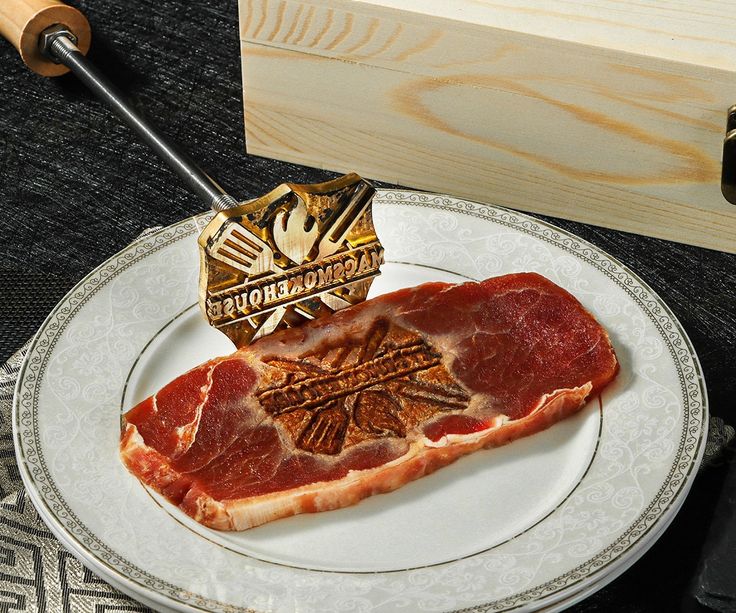
  • Food and Beverage: Restaurants and food producers utilize branding irons to create a distinctive mark on their products, such as steaks, bread, and artisanal goods, which helps in creating an identity that customers can recognize.
  • Craftsmanship and Artisanal Products: Artisans use Branding Iron Casper to brand wooden crafts, leather goods, and handmade items, which adds a personal touch and assures customers of authenticity.
  • Retail: Retailers often use branding irons on packaging or materials to reinforce brand identity and promote a cohesive aesthetic throughout their products.
  • Agriculture: Farmers and ranchers can brand livestock with a hot iron that features their logo, which helps in identification and establishing ownership.

Custom Branding Applications with Branding Iron Casper

Custom branding applications are where Branding Iron Casper truly shines. The ability to personalize branding irons means that businesses can create unique branding experiences that resonate with their customers. Here are a few noteworthy applications:

  • Customized logos on wooden furniture, enhancing both the product’s value and the brand’s recognition.
  • Seasonal or event-specific branding on chocolate or baked goods, which can drive sales during holidays or special occasions.
  • Branded merchandise such as leather wallets, belts, or bags that bear a company’s logo, reinforcing brand loyalty and recognition.

Advantages for Small Businesses

Small businesses stand to gain significantly from using Branding Iron Casper. The ability to create a memorable brand presence can distinguish a small business in a competitive market. Benefits include:

  • Cost-Effectiveness: Compared to other branding methods, such as printing or labeling, branding irons offer a more economical solution for small businesses looking to establish themselves.
  • Personal Touch: The handmade nature of branding adds a unique charm that resonates with customers who appreciate artisanal efforts and authenticity.
  • Enhanced Visibility: By marking products with their branding, small businesses enhance their visibility and recognition, promoting word-of-mouth marketing.
  • Durability: Branding creates a lasting impression, as the branding is often more durable than printed labels, ensuring longevity in brand visibility.

Maintenance and Care

Proper maintenance and care of the Branding Iron Casper are crucial for ensuring its longevity and optimal performance. By following specific steps for cleaning and upkeep, users can prevent premature wear and maintain the quality of their branding iron. This section Artikels essential practices and a practical checklist for maintaining the Branding Iron Casper.

Cleaning Procedures

Regular cleaning of the Branding Iron Casper after each use helps prevent any build-up of residue that can affect its performance. It is important to use the right materials and techniques to clean the iron effectively. To clean the Branding Iron:

  • Allow the branding iron to cool completely after use.
  • Use a soft cloth or sponge to wipe down the surface, carefully removing any residue or grease.
  • For tougher stains, a mixture of warm water and mild soap can be applied. Avoid abrasive cleaners that may scratch the surface.
  • Rinse the branding iron with clean water and dry thoroughly to prevent rust.

Best Practices for Prolonging Lifespan

To ensure the Branding Iron Casper remains in excellent condition over time, certain best practices should be observed. Proper handling and storage can significantly impact its durability and functionality.Key practices include:

  • Store the branding iron in a dry, cool place to avoid moisture exposure.
  • Use protective covers or cases to shield it from physical damage when not in use.
  • Avoid dropping or mishandling the branding iron to prevent bending or breaking of components.
  • Regularly check for any signs of wear and tear, such as rust or damage, and address them promptly.

Routine Maintenance Checklist

Establishing a routine maintenance schedule is essential for keeping the Branding Iron Casper in top shape. Here’s a checklist that Artikels specific tasks to perform regularly for proper maintenance.

  • [ ] Inspect the branding iron for any visible damage.
  • [ ] Clean the branding surface after each use.
  • [ ] Check for any rust and treat it immediately if found.
  • [ ] Store in a protective cover or case.
  • [ ] Ensure that any wooden handles are securely attached and free of cracks.
  • [ ] Lubricate moving parts, if applicable, to maintain functionality.
  • [ ] Record usage frequency to plan for deeper cleaning or servicing as needed.

By adhering to these maintenance and care guidelines, users can extend the life of the Branding Iron Casper and ensure it continues to perform effectively for all branding needs.

Purchasing and Pricing

When considering the purchase of a Branding Iron Casper, it’s essential to evaluate various pricing options and understand what influences the cost. Different retailers may offer varying prices, so being informed can help you find the best deal that meets your needs. Looking at the pricing landscape is crucial for ensuring you get a good value for your investment. Here are some factors to keep in mind when comparing prices across different retailers:

Retailer Pricing Comparison

Several retailers provide Branding Iron Casper products, each with unique pricing strategies. It’s advisable to compare online and local options to get a sense of the market price. Some notable retailers include:

  • Online Marketplaces: Websites like Amazon and eBay may offer competitive prices due to various sellers, often with customer reviews to guide your decision.
  • Specialty Stores: Stores that focus on branding tools might provide added expertise but could be slightly pricier due to their niche focus.
  • Manufacturer Direct: Purchasing directly from the manufacturer can sometimes yield discounts or exclusive offers not found elsewhere.

Evaluating the pricing from these different sources will help you make an informed decision and potentially save money.

Factors to Consider Before Purchasing

Before finalizing your purchase, it’s critical to consider various factors that can influence your satisfaction with the Branding Iron Casper. These considerations can ensure that you’re making a purchase that aligns with your specific needs.

  • Material Quality: Check the build quality of the branding iron to ensure durability and effectiveness.
  • Size and Design: Consider the size of the branding area and the design of the branding iron to ensure it fits your intended use.
  • Customer Reviews: Reading feedback from other customers can provide insights into performance and reliability.
  • Shipping Costs: Factor in any additional shipping charges that may apply when purchasing online.
  • Customization Options: Some retailers offer customization for the branding iron, which may influence your decision.

These factors play a vital role in ensuring you select a branding iron that meets your expectations and requirements.

Warranty and Return Policy Information

Understanding the warranty and return policies associated with the Branding Iron Casper can save you troubles in the future. A solid warranty can provide peace of mind regarding your investment.Most reputable retailers offer a warranty that typically covers defects in materials or workmanship. The warranty period can vary but usually ranges from one to three years. It’s also essential to inquire about the return policy.

Key details include:

  • Return Period: Many retailers offer a return window of 30 to 90 days.
  • Condition Requirements: Ensure the product is in its original condition to qualify for a return.
  • Restocking Fees: Some stores may charge a restocking fee for returned items.

Being aware of these policies not only safeguards your purchase but also enhances your buying experience.

DIY Projects with Branding Iron Casper

The Branding Iron Casper is a versatile tool that can elevate your creative projects by adding a personal touch. Whether you’re a seasoned DIY enthusiast or just starting, this branding iron allows you to express your creativity in unique ways. By incorporating it into your projects, you can transform ordinary items into personalized masterpieces that showcase your style.One of the most significant benefits of using the Branding Iron Casper is the ability to customize your creations.

Personalization adds sentimental value and can make gifts more thoughtful or home decor more appealing. Here are a few creative DIY project ideas that make excellent use of the Branding Iron Casper:

Creative DIY Project Ideas

Engaging in DIY projects with the Branding Iron Casper opens the door to various creative possibilities. Here are some project ideas where you can apply your branding skills:

  • Personalized Wooden Coasters: Create unique coasters by branding your initials, favorite quotes, or designs onto wooden slices.
  • Custom Leather Goods: Brand your name or a special message onto leather wallets, belts, or bags, giving them a distinctive flair.
  • Decorative Garden Markers: Use the branding iron to label your plants on wooden stakes or stones, enhancing your garden’s organization and charm.
  • Unique Gifts: Personalize items like picture frames or cutting boards for friends and family, making them memorable gifts.

Benefits of Personalizing Projects

Personalizing projects with the Branding Iron Casper provides numerous advantages that enhance the overall experience and satisfaction of creating. By adding a personal touch, you can make your projects stand out and reflect your personality.

“Personalization transforms a simple item into a cherished keepsake.”

Some key benefits include:

  • Increased Sentimentality: Personalized items often carry more emotional weight and can evoke cherished memories.
  • Unique Aesthetic: Custom designs help to ensure that your projects are one-of-a-kind, setting them apart from mass-produced items.
  • Gift Value: Personalized gifts often feel more meaningful, making them highly appreciated by recipients.

Step-by-Step Guide for a Simple DIY Project

Creating personalized wooden coasters is a straightforward and enjoyable project to undertake with the Branding Iron Casper. Here’s a simple step-by-step guide to help you through the process:

  1. Gather Materials: You’ll need wooden slices or square coasters, the Branding Iron Casper, a heat-resistant surface, and a design template if desired.
  2. Prepare the Workspace: Set up your workspace in a well-ventilated area and ensure you have a heat-resistant surface to work on.
  3. Heat the Branding Iron: Plug in the Branding Iron Casper and let it heat up for a few minutes, following the manufacturer’s instructions.
  4. Design Placement: Decide where you want to position the design on the wooden coaster. You can use a pencil to lightly sketch the Artikel if needed.
  5. Brand the Design: Carefully press the heated branding iron onto the wood to create the desired impression. Hold it steady for a few seconds for a deep mark.
  6. Cool and Finish: Allow the coaster to cool completely before using or applying any protective finish like wood oil or sealant.

This project not only results in a functional item but also allows you to showcase your creativity and personal style through the Branding Iron Casper.

Safety Measures and Best Practices

Using the Branding Iron Casper requires a commitment to safety to ensure an enjoyable and hazard-free experience. Proper precautions can significantly reduce the risk of accidents and injuries while maximizing efficiency and effectiveness during the branding process. Understanding essential safety measures and best practices is crucial for anyone looking to utilize this tool effectively.One of the most important aspects of using the Branding Iron Casper is the consideration of safety measures that can prevent injuries.

These measures should be integrated into each step of the branding process. Practicing safe operation involves not only personal vigilance but also the appropriate use of protective equipment.

Protective Gear Recommendations

Wearing protective gear while operating the Branding Iron Casper is essential to safeguard against potential hazards. The following items are highly recommended:

  • Heat-Resistant Gloves: These gloves provide a barrier against burns from the heated branding iron.
  • Safety Goggles: Protect your eyes from potential splatter or ash during the branding process.
  • Long-Sleeved Clothing: Wearing long sleeves helps protect your skin from heat and accidental contact with the branding iron.
  • Closed-Toed Shoes: Ensure your feet are protected from any falling equipment or materials.

In addition to personal protective equipment, maintaining a clean and organized workspace is crucial. Remove any flammable materials from the vicinity of your branding area to minimize fire risks.

Common Mistakes to Avoid

Understanding common pitfalls can help operators avoid accidents and ensure successful branding. Here are some mistakes to steer clear of:

  • Neglecting Equipment Inspection: Always inspect the Branding Iron Casper for any defects or damage before use.
  • Using Improper Heating Method: Avoid inappropriate heating sources; always use a method that ensures even heat distribution across the branding surface.
  • Failing to Maintain a Safe Distance: Keep a safe distance from flammable materials and ensure proper ventilation when branding.
  • Rushing the Process: Take your time to ensure accuracy and prevent misbranding, which can lead to wastage and safety hazards.

By adhering to these safety practices and avoiding common mistakes, users can greatly enhance their experience with the Branding Iron Casper while prioritizing safety and effectiveness.

Branding Techniques

Branding Iron Casper offers a variety of branding techniques that can elevate your products or projects. Using this tool effectively can create a lasting impression and convey your brand identity clearly. Understanding the different methods available ensures that you can apply the technique that best suits your needs, whether for personal projects or professional branding.One essential aspect of utilizing Branding Iron Casper is to grasp the various branding techniques you can employ.

These techniques range from traditional approaches to modern adaptations that allow for customization and precision in branding. Below are some key methods and tips for achieving effective branding results.

Branding Techniques Overview

Utilizing various branding techniques enhances the effectiveness of your brand identity. Here’s a breakdown of some commonly used techniques:

  • Heat Branding: This is the most traditional method, involving the application of high heat to imprint a symbol or logo onto a surface. It’s particularly effective on materials like wood and leather, creating a deep, lasting impression.
  • Cold Branding: This technique uses cryogenic temperatures to freeze the branding iron before application. It’s often used in animal branding, as it minimizes damage to the skin while still marking the intended design.
  • Electro-Branding: This modern method introduces electrical heating to the branding process, allowing for quicker and more efficient branding on various materials, including metals.
  • Laser Branding: Utilizing laser technology, this technique offers precision and the ability to create intricate designs. It’s perfect for detailed logos or symbols on materials that are sensitive to heat.

Designing Effective Branding Symbols or Logos

Creating a memorable logo or branding symbol is crucial for effective branding. A well-designed symbol should reflect your brand’s values and identity. Here are some guidelines to consider when designing:

  • Simplicity: A simple design ensures that your logo is easily recognizable and versatile across various applications and sizes.
  • Relevance: The design should resonate with the target audience and reflect the essence of the brand. Think about the message you want to convey.
  • Timelessness: Aim for a design that won’t go out of style quickly. Trends can be fleeting, so focus on classic elements that provide longevity.
  • Versatility: Ensure your logo works in multiple formats, whether it’s on a product, webpage, or promotional materials. A good logo should look great in both color and monochrome.

Achieving Consistent Branding Results

Consistency is key to effective branding, and there are several strategies you can implement with Branding Iron Casper to ensure that your branding results remain uniform.

  • Standardized Templates: Create templates for your branding designs. This can streamline the branding process and ensure that every application maintains the same style and dimensions.
  • Material Testing: Test your branding iron on various materials to understand how each reacts. Adjust your technique and settings accordingly to achieve consistent outcomes.
  • Quality Control: After branding, inspect each item for consistency in depth and clarity of the branding. This step ensures that all branded items meet your quality standards.
  • Regular Maintenance: Keep your Branding Iron Casper in good condition. Regularly clean and maintain the iron to ensure it operates at peak performance, which is crucial for consistent branding.

Trends in Branding Tools

The branding tool industry has evolved significantly in recent years, showcasing a shift towards more innovative and efficient methods. These advancements, particularly in tools like Branding Iron Casper, are driven by the need for versatility, precision, and sustainability in branding processes. The integration of technology is reshaping how brands communicate their identity and values through various mediums.Modern branding techniques contrast starkly with traditional methods, highlighting the evolution of tools and practices.

Traditional branding relied heavily on manual processes, such as wood-burning or metal stamping, which were labor-intensive and time-consuming. In contrast, modern branding tools incorporate advanced technology such as laser engraving and electric branding irons, which offer precision and consistency. This shift not only enhances the quality of the branding but also improves efficiency, allowing businesses to meet consumer demands more effectively.

Innovations Impacting Branding Tools

The branding tool industry is witnessing several noteworthy innovations that have the potential to redefine branding practices. These emerging technologies include:

  • Laser Branding: A significant leap from traditional tools, laser branding offers high precision and the ability to create intricate designs that were previously impossible with manual methods. This technology not only speeds up the branding process but also allows for customization at scale.
  • Smart Branding Irons: Recent advancements have introduced smart branding irons that come equipped with digital displays and programmable settings. This enables users to easily adjust temperatures and branding patterns, ensuring consistent results across multiple items.
  • Sustainable Materials: There is a growing trend towards eco-friendly branding tools made from sustainable materials. This aligns with consumer preferences for environmentally responsible products and encourages brands to reflect sustainability in their branding efforts.
  • 3D Branding: Emerging 3D branding techniques allow for the application of raised designs on products, giving them a tactile quality that enhances the consumer experience. This method is gaining popularity for its unique aesthetic appeal and added brand recognition.

The integration of these technologies not only enhances the quality of branding but also facilitates greater creativity and customization.

“The future of branding tools will likely focus on personalization and sustainability, empowering brands to connect with consumers on a deeper level.”

As brands incorporate these innovations, the relevance of tools like Branding Iron Casper is further solidified, ensuring they keep pace with industry advancements. The impact of these trends is already observable in various sectors, from artisanal crafts to large-scale manufacturing, emphasizing the importance of staying ahead in branding practices.

End of Discussion

What Is a Logo? Just the Beating Heart of Your Brand, That's All.

In conclusion, the branding iron casper not only enhances branding efforts across different industries but also empowers individuals to express their creativity through personalized projects. By understanding its features, applications, and maintenance, users can fully leverage the benefits of this remarkable branding tool.

Question & Answer Hub

What is the main advantage of using branding iron casper?

The branding iron casper allows for precise and consistent branding, making it ideal for both personal and commercial use.

Can I use branding iron casper on different materials?

Yes, branding iron casper is versatile and can be used on wood, leather, and other materials suitable for branding.

How do I clean and maintain my branding iron casper?

Regularly clean the branding head with a soft cloth and ensure it is stored in a dry place to prevent rust and damage.

Are there any safety precautions to consider while using it?

Always wear protective gloves and eyewear, and ensure that the branding iron is placed on a stable surface to avoid accidents.

Where can I purchase branding iron casper?

Branding iron casper can be purchased at various retailers, both online and in-store, with a range of pricing options available.

Branding and advertising sets the stage for this enthralling narrative, offering readers a glimpse into a story that is rich in detail and brimming with originality from the outset.

At its core, branding serves as the foundation upon which companies build their identities, creating a unique presence in the market. Effective advertising, on the other hand, is the catalyst that drives consumer engagement and awareness. Together, branding and advertising not only influence consumer perceptions but also establish lasting connections that foster loyalty and trust.

Branding Fundamentals

Branding is the process of creating a unique identity for a product or service in the minds of consumers. It encompasses the name, logo, design, and overall image of a company, setting it apart from competitors in the marketplace. The significance of branding lies in its ability to foster customer loyalty, evoke emotional connections, and drive purchasing decisions, which ultimately can lead to increased market share and profitability.Elements that constitute brand identity play a crucial role in how a brand is perceived.

These elements create a cohesive image that resonates with target audiences and include the following:

Elements of Brand Identity

A strong brand identity is established through various components, each contributing to a unified image. The primary elements include:

  • Name: The brand’s name should be memorable, meaningful, and easy to pronounce. It often reflects the brand’s values or mission.
  • Logo: This is the visual representation of the brand. A well-designed logo captures the essence of the brand and helps it stand out visually.
  • Color Palette: Colors evoke emotions and associations, making them a vital part of brand identity. Consistent use of color enhances recognition and recall.
  • Typography: The fonts used in branding influence perception. Distinctive typography can convey personality and style.
  • Voice and Tone: The language used in communication reflects the brand’s personality. Whether formal, casual, humorous, or authoritative, consistency is key.

Each of these elements works together to form the overall identity of the brand, influencing how consumers see and interact with it.

Role of Brand Awareness in Consumer Behavior

Brand awareness refers to the extent to which consumers are familiar with a brand and can recognize it. High brand awareness is crucial for influencing consumer behavior, as it often precedes purchasing decisions. When consumers are aware of a brand, they are more likely to consider it as an option when making a purchase, especially in competitive markets.The impact of brand awareness can be observed in several ways:

  • Trust and Credibility: Familiar brands are often perceived as more trustworthy, which can lead to increased customer loyalty.
  • Decision-Making: Consumers tend to favor brands they recognize when making purchase decisions, as familiarity reduces perceived risk.
  • Word of Mouth: Brands with high awareness are frequently discussed and recommended, further enhancing their market presence.

The relationship between brand awareness and consumer behavior highlights the importance of strategic marketing efforts aimed at increasing visibility and recognition in the target market. It emphasizes that investing in branding can significantly affect a company’s success by influencing how consumers interact with its products or services.

Advertising Strategies

Advertising is a crucial component of marketing that involves communicating messages to target audiences to promote products, services, and brands. The effectiveness of advertising greatly depends on the strategies employed and the channels chosen to reach consumers. With the landscape of advertising constantly evolving, understanding various advertising channels and creating compelling campaigns is essential for success.

Advertising Channels and Effectiveness

Different advertising channels come with unique strengths and weaknesses, influencing their overall effectiveness. Selecting the right channel is essential for meeting the specific needs of a target audience. Here are some of the most commonly used advertising channels:

  • Television: Despite the rise of digital media, television remains a powerful channel for reaching a large audience. It allows for creative storytelling through visuals and sound, making it effective for brand awareness.
  • Print Media: Newspapers and magazines cater to niche audiences, providing targeted advertising opportunities. Print ads may lack the immediate engagement of digital, but they can enhance credibility and trust.
  • Radio: This channel effectively reaches consumers during their daily routines, making it suitable for local advertising. Its auditory nature allows for creative messaging that can be easily consumed on the go.
  • Digital Advertising: This encompasses a variety of formats, including search engine marketing (SEM), social media ads, and display advertising. Digital channels provide detailed analytics, allowing for precise targeting and ROI measurement.
  • Outdoor Advertising: Billboards and transit ads offer high visibility and can reach a diverse audience quickly. Their impact lies in their ability to convey simple, memorable messages in high-traffic areas.

Creating a Compelling Advertising Campaign

The process of developing a successful advertising campaign involves multiple steps, each contributing to the overall impact of the message. Key phases include:

1. Research and Analysis

Understanding the target audience, market trends, and competitive landscape helps shape campaign strategies.

2. Defining Objectives

Clear objectives ensure that the campaign remains focused, whether it’s increasing brand awareness, generating leads, or boosting sales.

3. Creative Development

This involves crafting the message and designing visuals that resonate with the audience. Creativity is critical in standing out in a crowded marketplace.

4. Media Planning

Selecting the right channels and scheduling the ad placements based on audience behavior maximizes exposure and engagement.

5. Execution and Monitoring

Launching the campaign while continuously tracking its performance allows for adjustments and optimizations as necessary.

6. Evaluation

Post-campaign analysis measures the success against the initial objectives, providing insights for future campaigns.

Comparison of Traditional vs. Digital Advertising Methods

The contrast between traditional and digital advertising methods is striking, with each offering distinct advantages and challenges. Traditional advertising includes channels such as television, radio, print, and outdoor. It is known for its broad reach but often comes with higher costs and less precise targeting. On the other hand, digital advertising includes online platforms such as social media, search engines, and websites.

It allows for more tailored targeting and the ability to analyze and refine campaigns in real time.

“While traditional methods maintain a wider audience reach, digital advertising’s ability to personalize and track engagement makes it an increasingly popular choice for advertisers.”

In summary, the choice between traditional and digital advertising methods depends on the campaign goals, target audience, and budget considerations. Leveraging a combination of both can often yield the best results, maximizing engagement and return on investment.

The Relationship Between Branding and Advertising

Branding and advertising are two interconnected components that drive a successful marketing strategy. Understanding their relationship is crucial for businesses aiming to create a cohesive identity and resonate with their target audience. While branding establishes the essence of a company, advertising serves as the vehicle that communicates this essence to the market.Branding fundamentally shapes advertising strategies by providing the core messaging, visual identity, and emotional appeal that advertisements leverage.

A strong brand identity, which encompasses elements like logos, color schemes, and typography, offers a consistent framework for all advertising efforts. This consistency is vital, as it reinforces brand recognition and loyalty among consumers, leading to a more effective advertising campaign.

The Impact of Consistent Branding on Advertising Success

Consistent branding across all advertising channels enhances the effectiveness of marketing campaigns. When a brand’s message, tone, and visuals remain uniform, it establishes trust and familiarity in the minds of consumers. This uniformity not only aids in recall but also influences purchasing decisions.A few key points illustrate how consistent branding contributes to advertising success:

  • The power of recognition: Consumers are more likely to engage with advertisements that feature familiar branding.

    A consistent approach instills confidence and encourages deeper connections with the audience.

  • Brand loyalty strengthens: When customers feel aligned with a brand’s identity, they are more likely to remain loyal, leading to repeat purchases and referrals.

    This loyalty translates into more effective advertising, as repeat customers often share their positive experiences.

  • Enhanced storytelling: A well-defined brand allows for storytelling in advertisements that resonates with the audience’s values and emotions.

    This emotional engagement can significantly elevate the impact of campaigns, leading to better conversion rates.

Examples of Brands Excelling in Both Branding and Advertising

Several brands exemplify the successful integration of branding and advertising, showcasing how a strong brand identity can enhance advertising effectiveness.One notable example is Nike. Their “Just Do It” campaign not only communicates a motivational message but also aligns perfectly with their brand ethos of inspiration and performance. The iconic swoosh logo is instantly recognizable and consistently used across all their advertising efforts, reinforcing their brand identity.Another example is Coca-Cola, which has maintained a consistent brand image focused on happiness and togetherness.

Their advertisements often feature the same color palette, fonts, and emotional messaging, creating a seamless experience for consumers. This consistency has helped Coca-Cola remain a leader in the beverage industry for decades.Apple is yet another brand that excels in this domain. Their marketing strategies emphasize simplicity and innovation, mirroring their brand identity. The clean design of their advertisements reflects their product aesthetics, thereby creating an undeniable connection between the brand and its advertising.These brands illustrate the critical relationship between branding and advertising.

By establishing a strong brand identity, they effectively communicate their messages, fostering deeper connections with consumers and driving business success.

Measuring Branding and Advertising Success

Measuring the effectiveness of branding and advertising is crucial for understanding how well a brand is performing in the market. Metrics provide valuable insights into consumer perceptions, campaign effectiveness, and areas for improvement. This section explores various approaches to assess brand performance and evaluate advertising success.

Metrics for Assessing Brand Performance

Brand performance can be gauged through various metrics that reflect its market presence and consumer engagement. Key metrics include:

  • Brand Awareness: Measures how many people recognize or recall a brand. Surveys and social media monitoring are common methods for assessing awareness.
  • Brand Loyalty: Indicates how likely customers are to repurchase a brand. This can be assessed through repeat purchase rates and customer retention metrics.
  • Brand Perception: Evaluates how consumers perceive a brand in terms of quality, value, and reliability. Tools such as sentiment analysis on social media and customer feedback surveys provide insights.
  • Market Share: Represents the percentage of an industry that a brand controls. Tracking sales data and comparing it with overall market sales helps in calculating this metric.

Evaluating the Effectiveness of Advertising Campaigns

Advertising campaigns can be evaluated using specific methods that determine their reach, engagement, and impact on sales. These include:

  • Return on Investment (ROI): Measures the profitability of an advertising campaign by comparing the revenue generated to the cost of the campaign. This is calculated as:

    ROI = (Net Profit / Cost of Investment) x 100

  • Click-Through Rate (CTR): Indicates the effectiveness of digital ads by measuring the ratio of users who click on an ad to the total number of users who view it. A higher CTR suggests a more compelling ad.
  • Conversion Rate: Reflects the percentage of users who take a desired action after interacting with an ad, such as making a purchase or signing up for a newsletter. This can be tracked using analytics tools.
  • Customer Acquisition Cost (CAC): Represents the total cost of acquiring a new customer through advertising efforts. This metric helps in understanding the efficiency of advertising spend.

Framework for Tracking Branding Progress Over Time

Establishing a framework for monitoring branding progress enables brands to make informed decisions based on data-driven insights. A structured approach might include:

  • Baseline Metrics: Establish initial brand performance metrics to provide a reference point for future comparisons.
  • Regular Evaluations: Conduct periodic assessments using the metrics mentioned above, such as quarterly or annually, to track changes over time.
  • Trend Analysis: Analyze data over time to identify trends in brand perception, customer behavior, and campaign performance, helping to adjust strategies as needed.
  • Feedback Loops: Incorporate customer feedback into the evaluation process. This can be done through surveys or social media interactions to gain insights into consumer perceptions and preferences.

Case Studies of Successful Branding and Advertising

Successful branding and advertising campaigns provide a wealth of insights into effective strategies that enhance brand perception and market presence. These case studies illustrate how iconic brands have utilized innovative approaches to resonate with their audiences and redefine their market standing. By examining these examples, we can glean valuable lessons on the intersection of branding and advertising.

Iconic Branding Case Studies

One of the most exemplary cases of branding is that of Apple Inc. The brand has established itself not just as a technology company but as a lifestyle choice. Through minimalist design, a focus on user experience, and a strong emotional connection to its customers, Apple has cultivated a loyal following. The “Think Different” campaign, which celebrated innovative thinkers, further solidified its position as a leader in creativity and innovation.

Another iconic case study is Nike’s “Just Do It” campaign. Launched in 1988, this advertising slogan not only encapsulated the brand’s ethos of motivation and perseverance but also helped establish a strong emotional connection with consumers. The campaign has evolved over the years, featuring stories of athletes overcoming challenges, which has further deepened brand loyalty and recognition.

Advertising Campaigns that Redefined Brand Perception

In the realm of advertising, the “Share a Coke” campaign by Coca-Cola stands out as a transformative initiative. By personalizing their product with individual names, Coca-Cola created a sense of belonging and connection among consumers. This campaign not only increased sales significantly but also encouraged social sharing, making it a viral marketing phenomenon.The “Dove Real Beauty” campaign is another prime example that redefined brand perception.

Launching in 2004, it challenged traditional beauty standards by showcasing women of all shapes and sizes. This campaign effectively positioned Dove as a brand that champions authenticity and self-acceptance, resonating with a wide audience and fostering a strong community around its values.

Branding Strategies of Leading Companies

Leading companies employ various strategies to establish and maintain their brand identity. For instance, the branding strategy of Tesla involves creating a perception of innovation and sustainability. By focusing on high-quality electric vehicles and groundbreaking technology, Tesla has positioned itself as not just a car manufacturer but as a pioneer in the future of transportation.Another noteworthy strategy is employed by Starbucks, which emphasizes creating a unique customer experience.

The brand fosters a sense of community in its stores, encouraging customers to view them as a “third place” between home and work. This strategy is complemented by consistent branding elements, such as the iconic mermaid logo and signature green color, which are immediately recognizable.

The foundation of successful branding lies in understanding consumer needs and aligning them with the brand’s values.

These case studies and strategies illustrate the vital role that branding and advertising play in shaping consumer perception and building lasting connections in today’s marketplace.

Emerging Trends in Branding and Advertising

As the landscape of branding and advertising evolves, several emerging trends are shaping how businesses engage with their audiences. Staying ahead of these developments is crucial for brands aiming to maintain relevance and competitive advantage in a rapidly changing marketplace. This section explores key trends, innovative technologies, and the pivotal role of social media in modern branding and advertising strategies.

Current Trends Shaping the Future of Branding

The branding landscape is witnessing transformative changes driven by consumer behavior, technological advancements, and cultural shifts. Brands are increasingly focusing on authenticity, sustainability, and personalization to connect with their audience. Here are some notable trends:

  • Authenticity: Consumers are gravitating towards brands that reflect genuine values and transparency. Authentic storytelling resonates more than ever, allowing brands to build trust and loyalty.
  • Sustainability: Eco-conscious branding is on the rise, as consumers prefer brands that prioritize environmental responsibility. Companies integrating sustainable practices into their business models find a competitive edge.
  • Personalization: Tailored experiences and products are now expected. Brands utilizing data analytics to deliver personalized marketing messages enhance customer engagement and loyalty.
  • Inclusive Branding: Representation and inclusivity in branding are becoming crucial. Brands that embrace diversity in their marketing strategies can connect with wider audiences effectively.

Innovative Advertising Technologies and Their Implications

The advent of new technologies is reshaping advertising strategies, enabling brands to engage consumers in novel ways. Innovations such as artificial intelligence, augmented reality, and programmatic advertising are gaining traction. The implications of these technologies include:

  • Artificial Intelligence (AI): AI tools analyze consumer behavior and preferences, allowing brands to create targeted advertising campaigns that enhance conversion rates.
  • Augmented Reality (AR): AR provides immersive experiences, allowing consumers to visualize products in their own environment, thereby influencing purchasing decisions.
  • Programmatic Advertising: This technology automates the buying and selling of ad space, leading to more efficient and effective ad placement based on real-time data.
  • Voice Search Optimization: As voice-activated devices become more prevalent, brands are optimizing their content for voice search, ensuring visibility in this emerging communication channel.

The Role of Social Media in Modern Branding and Advertising

Social media platforms have become essential for branding and advertising, providing brands with direct access to their audience. The influence of social media can be seen in various aspects:

  • Direct Interaction: Brands now engage in two-way communication with consumers, allowing for immediate feedback and relationship-building.
  • Influencer Marketing: Collaborating with influencers enables brands to tap into niche markets and build credibility through trusted voices.
  • User-Generated Content: Encouraging consumers to create content related to the brand fosters community and authenticity, boosting brand visibility.
  • Social Commerce: The integration of shopping features within social media platforms allows consumers to make purchases directly, streamlining the buying process.

“Staying ahead in branding and advertising is about embracing change and understanding what consumers truly value in the modern marketplace.”

Consumer Psychology in Branding and Advertising

5 Reasons Your Branding Matters from Start to Org - The CRM Firm

Understanding consumer psychology is crucial for creating effective branding and advertising strategies. This field delves into how consumers think, feel, and behave in response to brands and marketing stimuli. By tapping into the psychological elements that drive decision-making, brands can foster loyalty and create compelling narratives that resonate with their audience.

Consumer Psychology and Brand Loyalty

Consumer psychology significantly influences brand loyalty through various factors, including trust, perceived value, and emotional connection. When consumers feel a deep-seated trust in a brand, often built through consistent messaging and positive experiences, they are more likely to remain loyal. Brands like Apple exemplify this by cultivating a strong community of loyal customers who identify with their values and aesthetic.

  • Trust Building: Transparency in communication and consistent quality reinforce trust, making customers more likely to return.
  • Perceived Value: Consumers often equate a brand’s price with its quality, leading to loyalty if they perceive high value in their purchase.
  • Emotional Connection: Brands that tap into consumers’ emotions—such as nostalgia or aspiration—can forge stronger loyalty bonds.

Emotional Triggers in Advertising

Advertising often employs emotional triggers to enhance branding, relying on feelings such as happiness, fear, or nostalgia to stimulate consumer responses. These emotional appeals create memorable experiences that encourage engagement with the brand. A classic example is Coca-Cola’s holiday campaigns, which evoke feelings of joy and togetherness, ultimately reinforcing brand affinity.

  • Happiness: Advertisements that elicit joy tend to create positive associations with the brand, leading to increased sales.
  • Fear: Fear-based advertising, when used appropriately, can motivate consumers to avoid negative outcomes by purchasing a product.
  • Nostalgia: Brands that invoke nostalgia tap into cherished memories, leading to a warm emotional response and fostering loyalty.

The Importance of Storytelling in Brand Communication

Storytelling plays a pivotal role in brand communication by making brands relatable and memorable. A well-crafted story can differentiate a brand in a crowded market, creating a narrative that resonates deeply with consumers. For example, Nike effectively employs storytelling by featuring athletes’ journeys, inspiring audiences with themes of perseverance and triumph.

  • Relatability: Crafting stories that reflect consumer experiences helps build a deeper connection.
  • Memorability: Stories are easier to remember than facts; they enhance brand recall, making consumers more likely to choose the brand later.
  • Engagement: A compelling narrative engages consumers, encouraging them to share the story, further extending the brand’s reach.

“Brands that tell stories create connections that transcend the product, allowing consumers to feel part of something bigger.”

Final Wrap-Up

In conclusion, understanding the intricate relationship between branding and advertising is vital for any business aiming to thrive in a competitive landscape. By leveraging the power of a strong brand identity alongside innovative advertising strategies, companies can transform their market presence and achieve remarkable success.

Q&A

What is the difference between branding and advertising?

Branding focuses on creating a unique identity and perception for a company, while advertising is the act of promoting products or services to encourage consumer action.

How can I measure the effectiveness of my branding efforts?

You can measure branding effectiveness through metrics such as brand awareness, customer loyalty, and engagement levels across various platforms.

What role does social media play in branding today?

Social media serves as a powerful tool for brands to engage with their audience, share their story, and build community, significantly impacting brand visibility and reputation.

How often should a brand refresh its image?

While there’s no set rule, brands should consider refreshing their image every few years or when significant market changes occur to stay relevant and appealing.

Can small businesses benefit from strong branding?

Absolutely! Strong branding helps small businesses differentiate themselves in a crowded market and build customer loyalty, often leading to increased sales and market share.

Branding irons, a time-honored tradition, offer a unique way to mark wood and leather goods. From ancient civilizations to modern artisans, the practice of branding has served both practical and aesthetic purposes. This guide delves into the history, design, and techniques behind using branding irons, exploring the art of creating distinctive marks on various materials.

This comprehensive resource covers everything from the different types of branding irons and the materials used in their construction to the specific techniques for applying them to wood and leather. We’ll also examine the importance of branding in establishing product identity and preserving cultural practices.

Techniques for Branding Wood and Leather

Branding wood and leather with a heated iron is an age-old craft, offering a unique way to personalize and decorate these materials. This technique, whether used for decorative purposes or marking ownership, requires careful attention to both the material and the application process. Mastering these techniques ensures a successful outcome and protects the craftsman and the workpiece.A fundamental understanding of the material properties and the heat transfer process is crucial.

Different woods and leathers react differently to heat, necessitating varying application approaches. Careful consideration of the intended design and the desired outcome is vital for a successful branding project.

Heating and Applying the Branding Iron to Wood

Heating the branding iron properly is paramount. A forge or a specialized heat source designed for metalworking is recommended. Overheating the iron can damage the wood, while insufficient heating will result in a weak or indistinct brand. The iron should reach a temperature sufficient to leave a clear impression without burning or charring the surrounding wood. Maintaining a consistent temperature throughout the branding process is important for creating a uniform brand.Precise movement of the branding iron is essential.

Controlled pressure and slow, deliberate strokes are critical to prevent scorching or warping. Different types of wood will react differently to the heat, so the application technique should be adapted accordingly. Experimentation and practice are key to developing a feel for the appropriate pressure and movement for each wood type.

Applying Branding Irons to Leather

Branding leather requires careful control of both pressure and temperature. Excessive pressure can cause the leather to tear or become distorted, while insufficient pressure will result in a faint or ineffective brand. The temperature must be meticulously controlled to avoid burning the leather, leading to a damaged or unusable final product. Leather’s thickness and composition will influence the best approach for branding.A step-by-step procedure is vital for consistent results.

For example, before applying the heated iron, the leather should be properly prepared. This may include stretching the leather taut to avoid distortion or wrinkles. Maintaining consistent pressure and avoiding excessive contact is key.

Step-by-Step Procedure for Branding Different Materials

  • Wood: First, ensure the wood is securely supported to prevent movement during the branding process. Then, heat the branding iron to the appropriate temperature. Apply the iron with controlled pressure and precise movements, ensuring even heating across the intended design. Cool the iron between applications to prevent overheating the wood.
  • Leather: Properly prepare the leather by stretching it taut. Heat the branding iron to the optimal temperature. Apply the iron with consistent pressure, avoiding excessive contact or dragging. Work slowly and methodically, allowing each application to cool slightly before proceeding. Ensure the leather is properly supported to prevent stretching or tearing.

Intricate Patterns for Branding

Creating intricate patterns with branding irons requires skill and practice. Geometric designs, stylized lettering, or symbolic motifs can be created. The possibilities are limitless. Consider the grain of the wood or the texture of the leather when designing the pattern to enhance the overall aesthetic appeal.

Safety Precautions

Material Heating Method Application Technique Safety Precautions
Wood Forge, Heat Source Controlled Pressure, Precise Movement Gloves, Protective Gear, Fire Safety
Leather Forge, Heat Source Controlled Pressure, Avoiding Burns Gloves, Protective Gear, Ventilation

The table above summarizes the safety precautions for working with branding irons on wood and leather. Always prioritize safety when handling heated metal and working with flammable materials. Adequate ventilation is crucial to prevent inhalation of smoke and fumes during the heating process.

Branding Strategy for Wood and Leather Products

A strong brand identity is crucial for wood and leather products, setting them apart in a competitive market. A well-defined brand strategy communicates the unique value proposition of the product, appealing to the target audience and fostering customer loyalty. This strategy encompasses more than just a logo; it’s a comprehensive approach encompassing design, marketing, and customer experience.Branding strategies for wood and leather products are multifaceted, taking into account the inherent qualities of the materials.

Wood and leather possess a distinct aesthetic and tactile appeal, which can be leveraged to create a powerful brand identity. This identity should reflect the specific values and craftsmanship embedded in the product.

Importance of Branding in Establishing Product Identity

A strong brand identity clearly articulates the product’s essence, including its origin, manufacturing process, and target audience. A consistent brand message across all platforms reinforces the product’s image and ensures consumers recognize it as a high-quality, unique item. This builds trust and credibility, crucial in the competitive market for artisanal goods.

Role of Branding in Increasing Customer Recognition and Loyalty

A well-defined brand fosters customer recognition. Consistent brand elements, like logos and color schemes, become instantly recognizable. This recognition leads to increased brand recall and customer loyalty. Customers are more likely to choose products from brands they trust and recognize. This loyalty translates into repeat business and positive word-of-mouth referrals.

Comparison of Branding Strategies for Different Target Markets

Branding strategies must be tailored to specific target markets. A vintage-inspired brand might resonate with consumers seeking a unique, handcrafted aesthetic. Conversely, a minimalist brand might appeal to customers seeking sleek, modern designs. The branding should align with the values and preferences of the target audience to maximize its impact. For instance, a brand targeting environmentally conscious consumers might highlight sustainable practices and ethical sourcing in its branding.

Branding Strategies for Wood and Leather Products

Effective branding requires a clear understanding of the target audience. Different branding strategies can be employed to reach specific customer segments. The following table illustrates a range of strategies for wood and leather products:

Branding Strategy Description Target Market Example
Vintage/Rustic Emphasizes handcrafted, aged, and traditional aesthetics. Often features natural wood tones and subtle imperfections, reflecting a connection to the past and a commitment to craftsmanship. Consumers seeking unique, handcrafted items, appreciating the history and authenticity embedded in the product. This might include antique collectors or those seeking a touch of rustic charm. Hand-carved wooden furniture, antique-style leather-bound journals, or aged wooden accessories.
Modern/Minimalist Focuses on clean lines, contemporary design, and functionality. Emphasis is on simple forms, neutral colors, and high-quality materials. Consumers seeking sleek, functional items that reflect a modern lifestyle. This might include individuals who value design and appreciate minimalist aesthetics. Geometric leather wallets, modern wooden picture frames, or minimalist wooden clocks.
Luxury/Premium Positions the product as a high-end item with exceptional quality, craftsmanship, and exclusivity. Often features premium materials, intricate designs, and bespoke details. High-income consumers seeking status symbols and exceptional quality. This might include individuals with a discerning eye for detail and a preference for high-end products. Hand-stitched leather bags with unique designs, bespoke wooden cabinetry, or limited-edition leather goods.
Eco-Friendly/Sustainable Highlights the use of sustainable materials and ethical manufacturing processes. Emphasizes the environmental benefits of the product and the brand’s commitment to sustainability. Consumers concerned about environmental impact and ethical sourcing. This might include environmentally conscious individuals or companies. Recycled wood furniture, leather goods made from ethically sourced hides, or wooden toys crafted from sustainable resources.

History and Cultural Significance of Branding

Branding, a seemingly simple act of marking, holds a rich history intertwined with cultural practices and societal structures. From identifying livestock to signifying craftsmanship, branding irons have served diverse purposes across various civilizations and time periods. This section delves into the historical context of branding, highlighting its significance in different cultures and its enduring role in preserving historical practices.

Historical Context of Branding Irons

Branding irons, tools for marking ownership and quality, have been used for millennia. Early forms, often simple heated metal shapes, were used to mark livestock. As societies evolved, branding expanded to encompass more complex items like crafted goods, signifying craftsmanship and quality. The specific design and materials used in branding irons varied across cultures and eras, reflecting the evolving needs and technologies of the time.

Examples of Historical Branding Practices

Early forms of branding were primarily used for livestock. Ancient civilizations, like the Romans, utilized branding to identify and track livestock, ensuring ownership and preventing theft. This practice was essential for maintaining order and control over resources in agricultural societies. Later, branding expanded to include other items, like furniture, tools, and even weapons. Craftsmen used branding to distinguish their work, signifying quality and expertise, similar to how trademarks function today.

In medieval Europe, blacksmiths and other artisans often branded their tools or products with a unique mark, enabling customers to identify high-quality items and supporting a system of artisanal reputation.

Cultural Significance of Branding in Different Cultures

Branding practices varied across cultures, reflecting distinct social structures, values, and economic systems. In some cultures, branding was primarily a tool for marking ownership, while in others, it held symbolic meaning, representing status or social standing. The intricate designs and symbols employed in branding irons often held cultural and religious significance, serving as a way to identify specific communities or lineages.

In some instances, specific branding marks were associated with specific guilds or professions, acting as a mark of certification for the quality of work.

Role of Branding in Preserving Historical Practices

Branding irons, as tangible remnants of past practices, offer invaluable insights into the economic, social, and cultural history of different communities. The preservation of branding irons and the study of their designs and uses contribute significantly to understanding the history and development of societies. By analyzing the tools and methods used for branding, historians and anthropologists can gain a deeper appreciation for the daily lives and practices of past generations.

Comparison of Branding Practices Across Cultures

Culture Branding Practices Significance
Ancient Rome Branding livestock, property Marking ownership, establishing social standing
Medieval Europe Branding craftsmen’s goods, tools Identifying craftsmanship, quality, and guild affiliation
Indigenous North American Tribes Branding livestock, ceremonial objects Marking ownership, status, and cultural identity
Ancient China Branding criminals, identifying property Maintaining social order, controlling populations

Final Thoughts

In conclusion, branding irons for wood and leather represent a fascinating blend of artistry and tradition. This exploration has highlighted the historical significance, the diverse techniques, and the continued relevance of this craft. Whether you’re a seasoned artisan or a curious enthusiast, this guide provides a valuable resource for understanding and applying the art of branding to your projects.

FAQ Explained

What are the safety precautions when using a branding iron?

Always wear appropriate protective gear, including gloves and eye protection. Ensure proper ventilation and follow fire safety guidelines when using a forge or heat source. Use caution when handling the hot iron and be mindful of the surface you are working on to prevent burns.

What are the different materials used for branding irons?

Steel is a popular choice due to its high durability and heat retention. Brass is another option, known for its attractive appearance and relatively low cost, though it may not retain heat as effectively. The choice of material depends on the specific application and desired outcome.

How do I choose the right size and design for a branding iron?

Consider the size and shape of the mark you want to create. Experiment with different designs to find one that suits your aesthetic preferences. The design should complement the material and the intended use of the item being branded.

What are some common mistakes to avoid when using a branding iron?

Applying too much pressure can lead to uneven marks or damage the material. Heating the iron improperly can result in a weak or distorted mark. Insufficient cooling time can cause the mark to smudge or smear.

Understanding the nuances between style guides and brand guides is crucial for any organization seeking consistent branding. These documents, while interconnected, serve distinct purposes, ensuring a cohesive visual and verbal identity. A style guide focuses on the
-how*, dictating the visual elements like typography and imagery, while a brand guide Artikels the
-why*, defining the brand’s personality, mission, and values.

This exploration will dissect the differences between style guides and brand guides, highlighting their interrelationship and demonstrating how a strong branding strategy underpins both. We’ll delve into the key components of each, illustrating with practical examples. Ultimately, understanding these nuances allows organizations to cultivate a powerful and enduring brand identity.

Defining Style Guides and Brand Guides

A style guide and a brand guide are essential tools for maintaining consistency and clarity in visual and written communication. They serve as a roadmap for all communication materials, ensuring a unified and recognizable brand identity across various platforms. This section defines each, highlighting their purpose, components, and interrelationship.A well-defined style guide and brand guide are crucial for companies seeking to maintain a strong brand presence and ensure consistency in their communication.

These guides act as a reference point for all internal and external communication, ensuring a unified voice and visual identity.

Defining a Style Guide

A style guide is a document that dictates the specific manner in which a company’s communication materials should be formatted and presented. It serves as a comprehensive set of rules for the use of typography, grammar, punctuation, and other stylistic elements. The scope of a style guide extends to ensuring consistency in all written and visual communication, including websites, marketing materials, internal memos, and customer correspondence.

  • Typography: This encompasses font choices, sizes, styles (bold, italic), leading (line spacing), and kerning (spacing between letters). Clear specifications for different uses (headings, body text, captions) are essential.
  • Grammar and Punctuation: The style guide will Artikel the preferred usage of grammar and punctuation, including sentence structure, capitalization, and abbreviation rules.
  • Tone and Voice: A style guide should establish the overall tone and voice of the brand, ensuring consistency in messaging, whether formal, informal, friendly, or professional.
  • Image Use: Guidelines for using images, including file formats, resolution, and appropriate use of copyright, are included in the style guide.
  • Abbreviations and Acronyms: The guide defines which abbreviations and acronyms are acceptable and how they should be used.

Defining a Brand Guide

A brand guide, unlike a style guide, is a more comprehensive document that encompasses all aspects of a company’s brand identity. It goes beyond the stylistic choices to encompass the overall brand personality, values, and mission. It is a crucial document for maintaining a consistent brand image across all touchpoints.

  • Brand Mission and Values: This section Artikels the core principles that guide the company’s actions and decisions. It defines the company’s purpose and how it aims to achieve its goals.
  • Brand Personality: The brand guide articulates the desired character of the brand – whether it’s innovative, traditional, friendly, or sophisticated. This is often conveyed through examples and descriptions.
  • Brand Messaging: The guide Artikels the key messages and themes that should be conveyed in all communication efforts. It defines the brand’s unique selling propositions and target audience.
  • Brand Visual Identity: This component includes the logo, color palette, typography, imagery, and graphic elements. It dictates the visual presentation of the brand, ensuring consistency across all platforms.
  • Brand Voice: The brand guide articulates the desired tone and language in all communication channels, from social media posts to customer service interactions.

Comparing Style Guides and Brand Guides

While distinct, style guides and brand guides are intertwined. A brand guide often incorporates a style guide as a component. The style guide provides the technical details for the consistent application of the brand’s visual and written elements. The brand guide, on the other hand, provides the overarching framework for the brand’s identity and positioning.

Element Style Guide Brand Guide
Focus Visual and written communication style Overall brand identity and positioning
Scope Specific stylistic choices Broader brand attributes and guidelines
Components Typography, grammar, tone, image use Mission, values, personality, messaging, visual identity
Relationship A component within the brand guide Encompasses the style guide

The Relationship Between Style Guides and Brand Guides

Style guides and brand guides are intertwined documents that work in tandem to establish and maintain a consistent brand identity. Understanding their relationship is crucial for effective communication and brand perception. They aren’t standalone documents; instead, they are interconnected components of a comprehensive brand management strategy.Style guides, often seen as the practical application of brand principles, act as a supporting framework for brand guides.

Brand guides, the overarching documents outlining the brand’s core values and identity, establish the foundation upon which style guides build. The consistency achieved through these complementary documents is vital for projecting a unified and recognizable brand image across all touchpoints.

How Style Guides Support Brand Guides

Style guides provide concrete rules and examples for implementing the brand principles Artikeld in brand guides. They translate abstract brand concepts into tangible, actionable instructions. For example, a brand guide might state that the brand’s tone of voice is “friendly and approachable,” while the style guide would define what constitutes “friendly” and “approachable” in terms of language, sentence structure, and even word choice.

This practical application ensures consistency in how the brand’s essence is communicated across various mediums.

How Brand Guides Inform Style Guides

Brand guides inform style guides by establishing the overarching principles that guide all stylistic choices. The brand’s mission, vision, values, target audience, and overall personality are fundamental aspects of a brand guide, and these underpin the specific stylistic elements detailed in the style guide. For example, a brand guide highlighting a brand’s commitment to sustainability will likely influence the style guide to favor environmentally conscious imagery and language.

Overlap and Distinction Between Style Guides and Brand Guides

While interconnected, style guides and brand guides have distinct focuses. Brand guides are high-level documents encompassing the brand’s essence, positioning, and target audience. Style guides, conversely, concentrate on the visual and written communication elements, such as typography, color palettes, imagery, and tone of voice. The overlap lies in their shared goal of maintaining a consistent brand identity; both strive to ensure that every communication reflects the same brand essence.

Brand guides are strategic in nature, while style guides are tactical.

Consistent Application of Guides for Brand Identity

Consistent application of both guides is critical for creating a strong brand identity. When both documents are adhered to meticulously, the brand message is unified and recognizable. This creates a strong and lasting impression on audiences, fostering trust and familiarity. For instance, a company consistently using its defined color palette and typography across its website, social media, and marketing materials creates a strong visual identity.

Inconsistencies in Guides and Brand Perception

Inconsistencies in either guide can severely harm brand perception. If a company uses different fonts or color schemes across its platforms, it can appear unorganized and unprofessional. This lack of consistency might lead to confusion among customers, hindering brand recognition and potentially impacting sales. For instance, using a vibrant, playful font on a website but a formal, conservative font in print marketing materials creates a jarring disconnect.

Flow of Information Between Style Guides and Brand Guides

Information Flow Brand Guide Style Guide
Brand Essence Defines brand values, mission, vision, personality, and target audience. Translates brand essence into specific stylistic choices.
Brand Positioning Artikels the brand’s place in the market and its unique selling proposition. Guides the language and imagery to reflect brand positioning.
Visual Identity Establishes the core visual elements like logo, color palette, and typography. Provides detailed specifications and usage guidelines for visual elements.
Tone of Voice Defines the overall brand voice and personality. Provides specific examples of how to use language to reflect brand tone.

Key Components of a Style Guide

A style guide serves as a crucial document for maintaining brand consistency across all visual and written communications. It acts as a reference point for designers, writers, and marketers, ensuring that the brand’s identity remains recognizable and impactful. This consistency fosters a strong brand perception and reinforces the brand’s message.A well-defined style guide establishes clear rules and guidelines for typography, color palettes, imagery, tone of voice, and messaging.

Adherence to these guidelines promotes visual harmony and enhances brand recognition, ultimately contributing to a more cohesive and impactful brand presence.

Typography Specifications

Typography plays a pivotal role in establishing brand identity and conveying a specific message. Consistent typefaces, sizes, and spacing are essential for maintaining a unified visual aesthetic.

  • Font Selection: A style guide should specify the primary and secondary fonts used for headings, body text, and other elements. This ensures consistency in the visual hierarchy and brand personality.
  • Font Sizes and Weights: Clear specifications for font sizes and weights for different text elements (e.g., headings, subheadings, body text) are critical for maintaining a legible and visually appealing layout. For example, a heading might be specified as a bold, 36-point sans-serif font, while body text is a 14-point serif font.
  • Line Height and Spacing: Appropriate line height and letter-spacing contribute significantly to readability and visual appeal. The style guide should detail these specifications for different text types.

Color Palettes and Usage Guidelines

A comprehensive color palette is essential for maintaining visual consistency across all brand materials. The style guide should include a detailed explanation of the brand’s color palette and its usage guidelines.

  • Primary Colors: These are the core colors that represent the brand’s essence and are used most frequently. They are often the colors most closely associated with the brand.
  • Secondary Colors: These colors support the primary colors and are used in complementary roles. They provide variety and depth to the brand’s visual identity.
  • Color Usage Guidelines: Specific instructions on how and where to use each color should be provided. This includes guidance on color combinations, acceptable levels of saturation and lightness, and examples of how these colors should be applied in different contexts.

Imagery and Photography

A consistent approach to imagery and photography reinforces the brand’s visual identity. The style guide should provide clear guidelines on what types of imagery to use and how to utilize them effectively.

  • Style and Tone: The style guide should specify the desired tone and style of imagery (e.g., professional, playful, minimalist). This ensures that all visuals align with the brand’s overall aesthetic.
  • Image Resolution and File Formats: The style guide should specify the minimum resolution and acceptable file formats for images used in various applications. This ensures clarity and quality in different contexts.
  • Image Usage Rights: Guidelines for image licensing and usage rights are crucial. This prevents copyright infringement and maintains legal compliance.

Tone of Voice and Messaging

The tone of voice reflects the brand’s personality and guides how messages are conveyed. The style guide should establish clear guidelines for maintaining a consistent and effective tone.

  • Brand Personality: Defining the brand’s personality (e.g., formal, informal, friendly, sophisticated) helps in establishing a consistent voice across all communications.
  • Vocabulary and Language: The style guide should specify the preferred vocabulary and language to be used, including specific terms, jargon, or slang.
  • Writing Style: This encompasses the style of writing, including sentence structure, tone, and overall voice.

Style Guide Sections

Section Description Example
Typography Font families, sizes, weights, line heights Heading: 24pt, bold, Arial; Body: 12pt, Times New Roman
Color Palette Primary, secondary, and accent colors Primary: Red (#FF0000); Secondary: Blue (#0000FF)
Imagery Style, resolution, usage rights Professional photos, high resolution, royalty-free
Tone of Voice Brand personality, language, and style Friendly, conversational, and active voice
Brand Messaging Key messages and brand values Quality, innovation, and customer focus

Key Components of a Brand Guide

A brand guide is a crucial document that meticulously defines and articulates a brand’s identity, ensuring consistent messaging and visual representation across all platforms. It serves as a blueprint for how the brand should be perceived and experienced by its target audience, maintaining a unified and recognizable image. This detailed framework ensures brand consistency and clarity for all stakeholders involved in brand communication and promotion.A well-structured brand guide provides a clear roadmap for maintaining a cohesive brand image.

It acts as a reference point for everyone working with the brand, from marketing teams and designers to customer service representatives and social media managers. This ensures that every interaction with the brand reflects its core values and personality.

Core Elements of a Brand Guide

A brand guide encompasses several key elements that work together to define and support a brand’s identity. These elements, when consistently applied, contribute to a strong, recognizable, and enduring brand image.

Brand Mission Statement

The brand mission statement articulates the brand’s purpose and reason for existence. It clearly Artikels what the brand aims to achieve and how it intends to contribute to the market or society. A well-defined mission statement provides a clear direction for all brand activities, ensuring alignment with the overarching goals and objectives. For example, a mission statement for an ethical clothing brand might emphasize sustainability and fair labor practices.

Brand Vision and Values

A brand’s vision statement paints a picture of the desired future state for the brand. It Artikels the aspirations and long-term goals that drive the brand’s actions and decisions. Examples of vision statements include a company aiming to become the leading provider in the tech industry or a non-profit organization aiming to eliminate poverty. Values represent the fundamental principles that guide the brand’s actions and decision-making process.

These values are the bedrock of the brand’s culture and personality. For instance, a brand might emphasize innovation, customer focus, and sustainability as core values.

Target Audience Description

The target audience description provides a detailed portrait of the individuals or groups that the brand seeks to engage and attract. This includes demographics, psychographics, and behavioral patterns. Understanding the target audience allows the brand to tailor its messaging and communication strategies to resonate with their needs, aspirations, and preferences. A clear understanding of the target audience is essential for effective marketing campaigns and ensures that brand communication remains relevant and impactful.

Brand Personality and Voice

Brand personality is the human-like qualities that embody the brand. This encompasses traits like friendly, professional, playful, or sophisticated. The brand voice is the tone and style of language used to communicate with the target audience. It can be formal, informal, humorous, or serious. These aspects are crucial for building a connection with the target audience and shaping the brand’s overall image.

Key Sections of a Brand Guide

Section Description Example
Brand Overview Provides a concise summary of the brand, its mission, vision, and values. “A leading provider of sustainable fashion, committed to ethical production and environmental responsibility.”
Target Audience Defines the ideal customer profile, including demographics, psychographics, and behavioral patterns. “Millennials and Gen Z environmentally conscious consumers seeking affordable, stylish, and ethically made clothing.”
Brand Voice and Tone Artikels the brand’s personality, communication style, and language used across all platforms. “Friendly, approachable, and informative tone; use of conversational language and engaging storytelling.”
Visual Identity Specifies the brand’s logo, color palette, typography, and imagery guidelines. “Primary color palette: deep teal, soft beige; secondary color palette: coral, navy; logo style: modern, minimalist.”
Brand Guidelines for Specific Platforms Provides specific instructions for brand representation on different platforms (e.g., website, social media, print). “Maintain consistent color palette and typography on all social media channels; use high-quality images and videos to showcase products.”

Branding Strategy and Its Connection to Style Guides and Brand Guides

A robust branding strategy forms the bedrock upon which effective style guides and brand guides are built. These guides are not standalone documents; rather, they are tangible expressions of a company’s overall brand identity, meticulously crafted to reflect its core values, mission, and target audience. A well-defined strategy ensures consistency and clarity in communication, ultimately strengthening the brand’s position in the market.A meticulously developed branding strategy underpins the creation of style guides and brand guides.

This strategy acts as a blueprint, guiding the development of both visual and verbal brand elements. Brand positioning is crucial in establishing a unique and memorable identity for the brand. Effective guides translate this positioning into concrete guidelines for consistent application.

Role of Branding Strategy

Branding strategy significantly influences the creation of style guides and brand guides. A well-defined strategy informs the selection of colors, fonts, and imagery, ensuring visual consistency across all brand touchpoints. The strategy also dictates the tone and style of brand communication, which is reflected in the language and voice used in the brand’s messaging.

Importance of Brand Positioning

Brand positioning is essential in creating effective style guides and brand guides. A strong brand position differentiates the brand from competitors, establishing a clear understanding of the target audience and the unique value proposition. This understanding informs the language, tone, and visual elements used in the guides, fostering a cohesive brand identity that resonates with the intended audience.

Conveyance of Brand Message

Style guides and brand guides effectively convey the overall message of a brand. They articulate the brand’s values, mission, and personality, thereby ensuring a consistent and unified message across all communication channels. This consistent message builds brand recognition and fosters trust among customers.

Reflection of Brand Personality

Brand personality is intricately reflected in style guides and brand guides. The personality is conveyed through the chosen color palette, font styles, and tone of voice. For example, a playful brand might use bright colors and informal language, while a sophisticated brand might opt for muted tones and formal language.

Integration of Visual and Verbal Identity

Visual and verbal identity elements are seamlessly integrated in style guides and brand guides. Visual identity encompasses the logo, color palette, typography, and imagery. Verbal identity includes the tone of voice, language, and brand messaging. The guides ensure consistency in the application of both visual and verbal elements, creating a unified and memorable brand experience.

Reflection of Unique Selling Proposition (USP)

A brand’s unique selling proposition (USP) is clearly reflected in the style guides and brand guides. The USP is often incorporated into the brand messaging, influencing the tone and language used in communications. The guides also ensure consistent application of visual elements that reinforce the USP and its associated value proposition.

Steps in Creating a Branding Strategy and its Connection to Style Guides and Brand Guides

Step Description Connection to Style Guides and Brand Guides
1. Defining Brand Purpose Identifying the brand’s core mission, vision, and values. Provides the foundation for developing a consistent brand voice and visual identity.
2. Identifying Target Audience Understanding the demographics, psychographics, and needs of the target customer. Guides the language, tone, and visuals used in the brand’s communications.
3. Defining Brand Personality Establishing the unique characteristics and traits of the brand. Influences the tone of voice, style of communication, and choice of visual elements.
4. Developing Brand Messaging Creating key messages that communicate the brand’s value proposition. Provides the content for style guides and brand guides, ensuring consistency in brand communication.
5. Designing Brand Visual Identity Creating the visual elements that represent the brand (logo, colors, typography, imagery). Provides the visual guidelines for the style guide.
6. Creating Brand Style Guide Documenting the brand’s visual and verbal identity guidelines. Ensures consistent application of the brand’s identity across all platforms.

Illustrative Examples of Style Guides and Brand Guides

Effective style guides and brand guides are crucial for maintaining a consistent brand identity across all platforms. These documents serve as blueprints for how a company communicates and presents itself, ensuring a unified and recognizable image. Illustrative examples demonstrate how these guides can be implemented and the impact they have on shaping brand perception.Well-executed style guides and brand guides contribute to a unified brand image and reinforce brand recognition.

These documents act as a compass, guiding all communications to stay true to the core brand identity.

Examples of Well-Executed Style Guides

Style guides define the specific language, tone, and visual elements used in all forms of communication. A well-crafted style guide ensures consistency across marketing materials, social media posts, website content, and more.

  • The New York Times Stylebook: This widely respected style guide sets a standard for journalistic writing, emphasizing accuracy, clarity, and conciseness. Its meticulous approach to grammar, punctuation, and style choices contributes to the newspaper’s reputation for journalistic integrity. The Times’ commitment to adhering to its style guide reflects a deep understanding of its audience and mission.
  • Airbnb Style Guide: This guide demonstrates a focus on a conversational and friendly tone, consistent with Airbnb’s brand identity. The style guide clearly defines acceptable language usage, ensuring a consistent experience for users interacting with the platform across various channels.

Examples of Well-Executed Brand Guides

Brand guides go beyond style, encompassing the core values, mission, and visual identity of a company. They are essential for ensuring a cohesive brand experience across all touchpoints.

  • Apple Brand Guide: Apple’s brand guide is renowned for its meticulous attention to detail and visual consistency. The guide dictates the specific use of typography, imagery, color palettes, and logo usage, contributing to the iconic and recognizable brand aesthetic.
  • Nike Brand Guide: Nike’s brand guide emphasizes the company’s focus on athleticism, inspiration, and innovation. It meticulously defines the tone and language used in marketing materials, reflecting the values of the brand.

Features Contributing to Effective Branding

The features that distinguish effective style and brand guides are consistent visual language, a clear brand voice, and a deep understanding of the target audience.

  • Consistency: A well-executed guide ensures consistent use of brand elements across all communication channels. This visual harmony creates a recognizable brand identity, reinforcing brand recall and building trust.
  • Clarity: Clear guidelines are essential for all stakeholders to understand and apply the brand identity consistently. This fosters a unified and professional image.
  • Specificity: A specific style guide covers various aspects, including typography, imagery, tone, and voice, providing comprehensive guidelines for all brand communications.

Impact on Brand Perception

Effective style guides and brand guides have a profound impact on brand perception. They contribute to a strong and consistent brand identity, fostering trust, recognition, and customer loyalty.

“A well-defined brand guide ensures that every touchpoint, from the website to social media, reflects the brand’s core values and personality, leading to a consistent and memorable brand experience.”

  • Stronger Brand Identity: A well-defined brand guide reinforces brand recognition by establishing clear standards and expectations.
  • Enhanced Customer Experience: Consistency across platforms creates a smooth and predictable experience for customers, fostering trust and loyalty.
  • Improved Brand Recall: A cohesive brand image makes it easier for customers to recall and recognize the brand, enhancing brand awareness.

Implementation and Maintenance of Style Guides and Brand Guides

Effective implementation and consistent maintenance of style guides and brand guides are crucial for maintaining a cohesive brand identity across all platforms and communications. A well-defined and consistently applied set of guidelines ensures that the brand’s visual and verbal identity remains recognizable and impactful, fostering a strong brand image.A robust implementation strategy ensures that style and brand guidelines are seamlessly integrated into the organization’s workflows and decision-making processes.

This proactive approach helps avoid inconsistencies and maintains a unified brand presence. Ongoing review and update cycles guarantee that the guidelines remain relevant and reflect current best practices and brand evolution.

Implementing Style Guides and Brand Guides

A successful implementation process involves a multi-faceted approach. Firstly, establish clear communication channels for dissemination of the guides. Secondly, integrate the guides into existing workflows, ensuring that designers, writers, marketers, and other relevant personnel understand and utilize the guidelines in their day-to-day operations. Training sessions, workshops, and readily accessible online resources can significantly aid in this process.

Importance of Ongoing Review and Updates

Brand identity is dynamic. Trends change, market landscapes evolve, and the brand itself may undergo adjustments. Regular review and update cycles are vital to ensure the guides remain current and relevant. This allows the brand to adapt to new situations and reflect its current position. A consistent review schedule, ideally on an annual or biannual basis, is essential.

Feedback from various stakeholders and ongoing market research are important input sources for these updates.

Maintaining Consistency Across Platforms

Consistency in application is paramount. A dedicated team or designated individuals should oversee the implementation and application of the guides across all platforms, from websites and social media to print materials and advertising. Internal quality checks and audits should be regularly performed to maintain alignment. Establishing clear approval processes and protocols will help streamline the approval process for all brand-related materials.

Review and Update Procedure

A structured approach to review and updating is necessary. The following procedure offers a framework:

  1. Initiate Review: Identify areas needing review based on feedback, changes in the market, or strategic shifts within the company. Determine specific sections or components requiring update.
  2. Gather Feedback: Collect input from key stakeholders across the organization. Consider designers, marketers, writers, and other relevant personnel. Utilize surveys, focus groups, and internal meetings to gather comprehensive feedback.
  3. Assess Feedback: Evaluate feedback received and determine the validity and impact of each suggestion. Prioritize changes based on their potential impact and feasibility.
  4. Develop Revisions: Make necessary revisions to the style guide and brand guide based on the assessed feedback and insights. Be meticulous and thorough in implementing these changes.
  5. Communicate Updates: Clearly communicate the changes to all relevant stakeholders. Provide training or refresher sessions as necessary to ensure proper understanding of the updated guidelines.
  6. Testing and Validation: Implement the updated guides and conduct internal testing to assess whether the changes achieve their intended objectives. This includes ensuring the guides are seamlessly integrated into workflows.
  7. Implementation and Documentation: Document the changes made and implement them across all relevant platforms. This includes updates to the style guide’s digital repository and other relevant systems.

Implementation and Maintenance Stages

Stage Description
Planning Defining objectives, outlining scope, and establishing a timeline. Ensuring alignment with overall brand strategy.
Implementation Disseminating guidelines, integrating them into workflows, and providing training.
Monitoring Tracking adherence to guidelines across different platforms. Identifying inconsistencies and addressing them promptly.
Review and Update Regularly reviewing and updating guidelines based on feedback, market trends, and brand evolution.
Maintenance Ensuring continuous consistency in application across platforms. Maintaining the repository and ensuring accessibility.

End of Discussion

In conclusion, style guides and brand guides are essential tools for maintaining a consistent brand image across all platforms. They are more than just sets of rules; they’re expressions of a brand’s essence, values, and unique voice. By understanding the distinctions and interdependencies between these guides, organizations can cultivate a stronger, more recognizable brand that resonates with its target audience.

General Inquiries

What’s the primary difference between a style guide and a brand guide?

A style guide focuses on the
-visual* aspects of a brand (typography, colors, imagery), while a brand guide defines the
-overall* brand identity, including its mission, values, and target audience.

How do style guides and brand guides work together?

Style guides support brand guides by providing visual guidelines that reflect the brand’s personality and values defined in the brand guide. In essence, the style guide is a practical application of the brand guide.

Why are consistent style guides and brand guides important for a company?

Consistency builds brand recognition and trust. A unified visual and verbal identity across all platforms reinforces the brand’s message and creates a memorable experience for customers.

How often should style guides and brand guides be updated?

Regular review and updates are essential. Brands evolve, and the guides should reflect these changes to maintain relevance and effectiveness.

Branding iron steakhouse photos are crucial for establishing a restaurant’s identity and attracting customers. This comprehensive guide explores essential elements, from visual identity and food photography techniques to showcasing atmosphere and people. High-quality images are vital for a strong online presence, impacting everything from website design to social media campaigns.

We’ll delve into crafting visually appealing photos that reflect the unique character of your steakhouse, whether it’s rustic charm, modern sophistication, or a farm-to-table ethos. This includes capturing mouthwatering steak dishes, creating a welcoming ambiance, and effectively incorporating staff and customers into the imagery.

Steakhouse Visual Identity

Custom Branding Ironsteak Branding Ironbranding Iron for - Etsy

A strong visual identity is crucial for a branding iron steakhouse, shaping customer perception and reinforcing brand values. The imagery used in branding materials should consistently communicate the restaurant’s ambiance, quality, and overall experience. This includes photos used on websites, social media, and printed materials.Visual elements like color palettes, lighting, and composition directly influence the perceived atmosphere of the steakhouse.

Careful consideration of these elements is vital for effectively communicating the desired brand personality.

Visual Appeal in Branding Iron Steakhouse Photos

Visual appeal in steakhouse photography is achieved through deliberate choices of color palettes, lighting, and composition. Warm, inviting color palettes, such as deep reds, rich browns, and warm yellows, can evoke a sense of coziness and luxury. Conversely, cooler tones like blues and greys can suggest a more modern or contemporary feel. The lighting should highlight the food, emphasizing its texture and visual appeal.

Natural light, strategically used, can create a warm and inviting atmosphere, while controlled lighting can accentuate specific elements. Composition is paramount, ensuring that the food is presented in a visually appealing manner, focusing on its quality and craftsmanship. A balanced composition with well-placed focal points will draw the viewer’s eye to the key elements.

Consistency in Visual Branding

Maintaining consistency in visual branding across all photos is essential for creating a cohesive and recognizable brand identity. Repeating visual elements, such as color palettes and lighting styles, builds brand recognition and reinforces the restaurant’s overall image. For example, using the same type of lighting, a similar angle for showcasing steaks, and a consistent color palette in every image, will help build familiarity and trust among customers.

Examples of Steakhouse Styles and Visual Suggestions

Steakhouse Style Color Palette Lighting Composition
Traditional Warm tones: deep reds, rich browns, warm yellows. Natural light or warm, diffused lighting. Focus on the food, with an emphasis on classic presentation, possibly including silverware and glassware.
Contemporary Neutral tones: greys, creams, and blacks. Controlled lighting, highlighting textures and food presentation. Modern, minimalist presentation; possibly with clean lines and sleek design.
Farm-to-Table Earthy tones: greens, browns, and muted oranges. Natural light or soft, diffused lighting to emphasize the natural elements. Showcase the natural ingredients; use rustic props.
Upscale Rich, luxurious colors: deep burgundy, gold, black. Soft, diffused lighting to enhance the elegance and sophistication. Elegant presentation, emphasizing high-quality ingredients.

Creating a Strong Visual Identity

Creating a strong visual identity for a branding iron steakhouse through photography requires a strategic approach. A professional photographer with experience in food photography can capture high-quality images that effectively communicate the steakhouse’s brand. In addition to capturing images, consider creating a style guide that Artikels the specific visual elements of the brand, including the desired color palette, lighting, composition, and props used in the photos.

The guide will ensure consistency in branding across all platforms and materials.

Food Photography Techniques

Capturing mouthwatering steakhouse photos requires a keen eye for detail and a grasp of photographic principles. Successful food photography goes beyond simply snapping a picture; it’s about crafting an image that evokes the flavors and textures of the dish, stimulating the viewer’s appetite. This involves strategic use of lighting, angles, and presentation techniques. Effective food photography can significantly elevate the brand’s visual appeal and attract customers.Mastering these techniques allows you to showcase the quality and artistry of your steakhouse’s culinary offerings, ultimately boosting customer engagement and sales.

Understanding how to present food attractively in images is crucial for communicating the restaurant’s brand identity and fostering a desire to dine there.

Lighting Strategies for Steak Photography

Proper lighting is paramount in food photography. Natural light, often diffused through a sheer curtain or softbox, is ideal for highlighting the natural colors and textures of the steak. Hard light from direct sunlight can create harsh shadows, detracting from the visual appeal. Experiment with different light sources and positions to achieve the desired effect. For example, using a softbox or umbrella can diffuse harsh light, while using a reflector can bounce light back onto the food to fill in shadows.

Angles and Composition for Steakhouse Images

Choosing the right angle can significantly impact the perceived appeal of a dish. High-angle shots can create a sense of spaciousness and elegance, while low-angle shots can emphasize the size and weight of the steak. A slightly elevated, eye-level angle is often the most effective for showcasing the entire dish and its components. Composition plays a vital role in drawing the viewer’s eye to the most important aspects of the dish.

Consider using the rule of thirds or leading lines to create a visually appealing image.

Food Styling for Different Steak Dishes

Food styling is a critical aspect of food photography, involving the arrangement and presentation of food to maximize its visual appeal. Different steak dishes require different styling approaches. For instance, a ribeye steak, with its marbling and thick cut, can be styled with herbs and garnishes, focusing on the rich texture and visual impact. A filet mignon, known for its tenderness, might benefit from a minimalist approach, highlighting its delicate texture and refined presentation.

A New York strip, with its robust flavor, can be styled with bold garnishes and a focus on the grill marks and char.

Table: Steak Dish Photography Tips

Steak Dish Photography Tips
Ribeye Highlight the marbling and rich color. Use a warm light source. Garnish with fresh herbs and a drizzle of oil.
Filet Mignon Emphasize the delicate texture and refined appearance. Minimalist styling, with a focus on presentation. Use a soft light source.
New York Strip Showcase the grill marks and char. Use a slightly cooler light to emphasize the grill marks. Bold garnishes are acceptable.

Using Props and Backgrounds

Props and backgrounds can enhance the visual appeal of steakhouse photos. For example, using a rustic wooden board or a dark slate platter can add a touch of elegance and sophistication. The background should complement the dish without detracting from it. A simple, uncluttered background, such as a clean white backdrop, can help to focus attention on the steak.

However, a more evocative background, like a dimly lit bar or a cozy restaurant setting, can create a more immersive experience for the viewer. Consider the overall ambiance you want to convey.

Atmosphere and Ambiance

Creating a compelling atmosphere in photos is crucial for a steakhouse’s branding. Visually conveying the restaurant’s ambiance, from the warm glow of the lighting to the luxurious feel of the space, significantly impacts customer perception. These visual cues help prospective diners connect with the experience before even stepping inside.The right photographic approach can transform a simple dining room into a memorable destination.

Strategic lighting, thoughtful composition, and attention to detail are key elements in evoking the desired feeling. These techniques translate into compelling imagery that draws customers in and reinforces the brand identity.

Showcasing Interior Design Elements

Interior design elements like lighting, furniture, and décor directly contribute to the ambiance. Photography must effectively highlight these features to communicate the restaurant’s aesthetic and evoke the desired emotions. Images should be clear and well-composed, showcasing the details of the design without being cluttered or overwhelming.

  • Lighting: Soft, warm lighting creates a welcoming and intimate atmosphere. Photographers should use lighting techniques that highlight the space’s architectural details and the mood it evokes. Natural light, if available, should be strategically used to complement artificial lighting, creating a balanced and inviting scene. Avoid harsh shadows that might detract from the overall ambiance.
  • Furniture: High-quality images should showcase the comfort and style of the seating arrangements. Close-up shots of the furniture’s textures and design can communicate the level of craftsmanship and attention to detail. Focus on angles that display the furniture’s aesthetic appeal and comfort. A well-placed person in the shot, seated comfortably, can enhance the sense of relaxation and enjoyment.

  • Décor: The restaurant’s décor should be captured in a way that complements the overall ambiance. Photographers should focus on capturing the textures, colors, and patterns of the décor, emphasizing the style and sophistication of the space. Consider showcasing elements that tell a story, reflecting the restaurant’s identity and brand values. For example, artwork, wall hangings, or other decorative accents can be effectively highlighted in the photography.

Portraying Warmth and Comfort

Effective photography can portray the warmth and comfort of the dining experience. This involves capturing the inviting atmosphere, showcasing the cozy seating arrangements, and emphasizing the welcoming aspects of the restaurant. Photos should aim to create a feeling of relaxation and enjoyment.

  • Comfortable Seating: Showcase comfortable chairs and tables. Include details like plush cushions or soft textures. Incorporate diners comfortably seated, engaging in conversation, or enjoying their meals. This visual cue directly conveys the comfort of the space.
  • Inviting Ambiance: Focus on capturing the soft lighting, warm colors, and natural elements. The use of natural light and carefully controlled artificial lighting can enhance the feeling of comfort. Consider using props like candles or plants to further emphasize the cozy atmosphere.
  • Relaxed Diners: Capturing relaxed diners, engaging in conversation or enjoying their meals, effectively communicates the restaurant’s welcoming environment. Images of happy customers in comfortable settings enhance the feeling of warmth and enjoyment.

Capturing Energy and Liveliness

Even during slower periods, a steakhouse can maintain its energy and vibrancy. Photography should capture the dynamic energy of the space, even if there are fewer diners. Highlighting the restaurant’s activity can create an enticing image for potential customers.

  • Highlighting Activity: Capture moments of activity, such as staff interacting with diners, or the bustling energy of the restaurant. Even if there are fewer diners, showcasing the restaurant’s staff and their interactions with customers can evoke a lively atmosphere.
  • Dynamic Composition: Utilize dynamic compositions to convey the energy of the space. Capture movement and interaction to create a sense of vibrancy. Strategic use of motion blur or shallow depth of field can enhance the sense of activity.
  • Emphasizing Atmosphere: Focus on the ambiance and the energy of the space. Use lighting and color to create a sense of excitement and anticipation. Even in a slower period, the ambiance can be captured to evoke a lively feeling.

Conveying Luxury and Exclusivity

Creating a sense of luxury and exclusivity in photos is essential for a high-end steakhouse. High-quality images are crucial for showcasing the sophistication and refined ambiance of the restaurant.

  • High-Quality Images: Use high-resolution cameras and lighting techniques to capture the details and textures of the space. This creates a sense of sophistication and luxury.
  • Strategic Composition: Use compositions that emphasize the elegance and exclusivity of the space. Showcase architectural details, high-end furniture, and premium materials to create a sense of sophistication.
  • Details and Textures: Highlight the finer details of the restaurant’s interior. Focus on the textures of materials, like leather, wood, or marble. These details contribute to the overall sense of luxury and exclusivity.

People in Photos

Capturing the essence of a steakhouse experience extends beyond just the food. People, their interactions, and the overall atmosphere play a crucial role in conveying the brand’s personality and inviting customers to experience the venue. A well-composed photo featuring people can transform a simple image of food into a vibrant story.A focus on the human element adds depth and authenticity to the branding.

Photos showcasing staff interacting warmly with customers or diners enjoying the ambiance evoke a sense of welcoming hospitality. These moments can be powerful storytelling tools, conveying the brand’s commitment to customer satisfaction.

Importance of Staff-Customer Interaction

Staff-customer interaction is paramount in establishing a positive and memorable experience. Photos showcasing this interaction humanize the brand and reinforce the notion of a warm, attentive service. Smiling staff members engaged with customers, or attentive service staff assisting patrons, communicate a dedication to providing excellent service. This creates a positive feedback loop, reinforcing the restaurant’s reputation for quality and hospitality.

Portraying the Steakhouse Experience

To effectively portray the steakhouse experience, consider these key scenarios:

  • Diners enjoying their meal: Capture diners engaged in conversation, savoring their steaks, or sharing laughter. This emphasizes the convivial atmosphere and the enjoyment derived from the dining experience. An example might be a group of friends sharing a table, enjoying their meals and drinks, or a couple sharing a romantic dinner, demonstrating a pleasant atmosphere and quality service.
  • Staff assisting customers: Showcase staff members assisting customers with their orders, recommendations, or providing attentive service. This portrays the restaurant’s commitment to customer service and creates a sense of care. For instance, a waiter gracefully presenting a steak to a customer, or a host welcoming guests to the restaurant, creating a warm and welcoming atmosphere.
  • Diners interacting with staff: Capture moments of interaction between staff and customers. This could include staff members making recommendations, explaining the menu, or engaging in pleasant conversations with customers. An example might be a staff member engaging with a customer, offering a recommendation based on the customer’s preferences or explaining the different cuts of steak.
  • The atmosphere of the restaurant: Capture the overall ambiance. Showcase diners relaxing and enjoying their meal in a comfortable and inviting setting. For instance, a bustling but controlled atmosphere, a quiet corner with a romantic ambiance, or a vibrant celebration in a lively setting.

Incorporating People While Focusing on Food

Photos should highlight the food without detracting from the people.

  • Strategic positioning: Place people in the frame in a way that complements, rather than competes with, the food. Consider having diners seated at tables that are appropriately distanced from each other and allow clear visibility of the food, avoiding overcrowding.
  • Lighting and composition: Use lighting to draw attention to the food while ensuring that people are well-lit and visible. Use composition techniques to guide the viewer’s eye naturally to the food and people in the frame.
  • Background elements: Choose backgrounds that don’t distract from the food or people. A well-chosen background can set the scene and complement the atmosphere of the restaurant.
  • Focus on detail: Ensure that both the food and people are in sharp focus. Consider using a shallow depth of field to isolate the subject (food or people) from the background.

Capturing a Positive and Welcoming Atmosphere

The presence of people should enhance the atmosphere, not overshadow it.

  • Facial expressions and body language: Capture genuine smiles, relaxed postures, and positive body language from both staff and customers. This conveys a sense of comfort and enjoyment.
  • Interaction and engagement: Focus on capturing moments of genuine interaction. A waiter engaging with a customer, or a group of friends sharing a laugh, can portray the welcoming atmosphere.
  • Ambient details: Capture elements of the atmosphere, such as soft lighting, warm colors, or comfortable seating arrangements. The ambiance should complement the overall mood and create a sense of place.

Photographing Staff Interacting with Customers

Capture the warmth and professionalism of staff interactions.

  • Natural interactions: Avoid staged or overly posed interactions. Focus on capturing genuine moments of service and engagement.
  • Eye contact and smiles: Encourage staff to make eye contact with customers and maintain a friendly and approachable demeanor. Smiling can significantly enhance the overall feel of the photo.
  • Clear view of food and staff: Ensure that the food and staff are both clearly visible and well-lit in the frame.
  • Appropriate angles: Consider different angles to showcase both the food and staff interactions. Avoid angles that obscure the view of either.

Digital Marketing Strategies

High-quality branding iron steakhouse photos are essential for online marketing success. They serve as powerful visual representations of the brand, attracting potential customers and driving engagement. Effective utilization of these images across various digital platforms is crucial for building a strong online presence and ultimately, boosting sales.Visual marketing, in the context of a steakhouse, leverages the allure of delicious food and a welcoming atmosphere.

This strategy directly impacts customer decisions, influencing their perception of the restaurant and driving their desire to dine there. By showcasing the steakhouse’s unique identity and culinary offerings through compelling visuals, the business can foster trust and attract a wider audience.

Role of Branding Iron Steakhouse Photos in Online Marketing

Branding iron steakhouse photos play a vital role in online marketing by acting as the initial point of contact for potential customers. These images communicate the restaurant’s essence, its quality, and its ambiance, fostering a sense of anticipation and desire for a dining experience. Attractive and well-composed photos create a positive first impression, enticing users to learn more and ultimately visit the establishment.

Utilizing Photos for Social Media Campaigns

Social media platforms are ideal for showcasing visually appealing content. Steakhouse photos can be strategically incorporated into social media campaigns to drive engagement and attract new customers. These images should be high-resolution and captivating, prompting users to interact with the posts, whether through likes, shares, comments, or direct messages. Consistent posting of high-quality images related to the dining experience, such as the preparation of the steaks, the ambiance of the restaurant, or happy customers enjoying their meals, will create a cohesive brand narrative and increase visibility.

Attracting Customers Through Visual Marketing

Visual marketing for a steakhouse focuses on appealing to customers’ senses and emotions. Photos that highlight the quality and presentation of the steaks, the artistry of the dishes, and the welcoming atmosphere of the restaurant are highly effective in conveying the dining experience. The use of warm lighting, inviting backgrounds, and well-composed shots of food can create a powerful connection with potential customers, making them eager to experience the restaurant.

Emphasizing the craftsmanship and quality of the steak, and the exceptional service, through visual storytelling, will significantly contribute to building brand loyalty.

Importance of High-Quality Photos for Website Design and Online Presence

High-quality images are crucial for establishing a professional and trustworthy online presence. The visual aspect of a website significantly impacts user experience and perception of the brand. Professional-grade photos of the steakhouse’s interior, exterior, and menu items, paired with engaging descriptions, will enhance user engagement and conversion rates. A well-designed website featuring visually appealing photos creates a seamless and immersive experience for potential customers, conveying professionalism and quality.

Impact of Branding Iron Steakhouse Photos on User Engagement and Conversion Rates

High-quality photos of a steakhouse can significantly influence user engagement and conversion rates. Engaging visuals attract attention, encourage exploration, and ultimately drive action. Compelling images of the food, the atmosphere, and satisfied customers can boost the likelihood of users making reservations or visiting the restaurant. Visuals should be strategically integrated throughout the website, from homepage to menu sections, to ensure consistent branding and a seamless customer journey.

By showcasing the culinary excellence and inviting ambiance through high-quality photos, the restaurant can effectively increase user engagement and drive conversions.

Photo Editing and Post-Production

Optimizing visual appeal in steakhouse photos hinges significantly on post-production techniques. Expert editing elevates images, enhancing the visual storytelling and ultimately boosting brand perception. This section will provide a detailed guide on improving contrast, brightness, and sharpness, utilizing filters and adjustments, and showcasing the impact of these techniques with before-and-after examples. Furthermore, a table will Artikel popular editing software options, highlighting their strengths.Post-production is an essential part of the overall photo process.

Proper editing techniques can transform raw images into compelling visuals, drawing customers to your steakhouse. Through careful adjustments, you can create a more appealing and appetizing presentation of your dishes, ambiance, and staff.

Enhancing Visual Appeal Through Editing

Effective editing techniques dramatically improve the visual impact of photos. Adjusting contrast, brightness, and sharpness enhances the overall aesthetic appeal, bringing out the textures and details of the steakhouse and its offerings. Filters and adjustments can be used to evoke specific moods and create a consistent brand aesthetic.

Contrast, Brightness, and Sharpness Adjustments

Adjusting these elements is critical for creating visually engaging photos. Higher contrast creates a more dramatic look, highlighting the textures of the food and the ambiance of the establishment. Brightness adjustments ensure the images are neither too dark nor too bright, optimizing the clarity and detail visibility. Sharpness adjustments enhance the fine details, making the images appear more realistic and appealing.

  • Contrast Enhancement: Increasing contrast can create a more dynamic image, drawing attention to the subject. A steak’s rich marbling will stand out more, and the overall scene will feel more vivid. This is achieved by adjusting the contrast slider in editing software, often with the option of localized contrast adjustments to focus on specific areas.
  • Brightness Adjustments: Correct brightness is crucial for balanced imagery. Underexposed images lack detail, while overexposed images can wash out colors and textures. Brightness adjustments ensure a pleasing balance, and can be localized to specific areas of the image to correct exposure inconsistencies.
  • Sharpness Enhancement: Sharpness enhances detail, making the images appear more realistic. Excessive sharpness can result in a harsh appearance, so the adjustment should be balanced. Using sharpening tools carefully will refine the texture of food and the clarity of the ambiance.

Using Filters and Adjustments for Desired Aesthetics

Filters and adjustments offer versatile options for achieving the desired aesthetic. For example, a warm filter can create a cozy ambiance, while a cool filter might project a sophisticated feel. Adjustments to color temperature and saturation further refine the look, ensuring consistent brand aesthetics across all photos. Color grading can be used to achieve a certain mood or atmosphere, for instance, a warmer tone might be used for a cozy, inviting steakhouse.

  • Warm Filters: A warm filter can evoke a sense of coziness and comfort, ideal for showcasing the ambiance of the steakhouse. Examples include images with a golden hue or reddish tones.
  • Cool Filters: Cool filters might project a sophisticated and modern feel, suitable for high-end steakhouse concepts. These filters often feature blue or cool tones.
  • Color Temperature Adjustments: Adjusting color temperature can affect the overall feel of the image. A warmer color temperature can create a more inviting atmosphere, while a cooler color temperature might convey a more modern or sophisticated vibe.

Before-and-After Photo Editing Examples

A before-and-after comparison of a photo can vividly illustrate the impact of editing techniques. The initial photo might be underexposed or lack sharpness, while the edited version showcases improved contrast, brightness, and sharpness, leading to a significantly more visually appealing image.

Editing Software Options

Several software options offer varying levels of functionality and ease of use. The best choice depends on your specific needs and budget.

Software Functionality
Adobe Photoshop Industry-standard software with extensive tools for photo editing, including advanced adjustments and masking capabilities. Ideal for professionals.
Adobe Lightroom Excellent for non-destructive editing and batch processing, making it ideal for organizing and enhancing large sets of images.
GIMP (GNU Image Manipulation Program) A free and open-source alternative to Photoshop, offering a comprehensive range of editing tools.
Canva User-friendly platform for basic to intermediate edits, ideal for those needing simple adjustments and templates.

End of Discussion

In conclusion, compelling branding iron steakhouse photos are key to success in today’s competitive market. By focusing on visual identity, food photography, ambiance, and people, you can create a powerful online presence that resonates with potential customers. The strategies Artikeld here, from careful composition to effective post-production, empower you to craft images that not only showcase your steakhouse but also tell a story that captivates and converts.

FAQ Section

What are some common mistakes to avoid in steakhouse food photography?

Overly-processed images, poor lighting, and a lack of focus on the food itself can detract from the visual appeal. Also, don’t forget to consider the background and props, as they should enhance, not distract from, the dish.

How can I showcase the quality of the ingredients in my photos?

Highlighting the freshness and texture of ingredients, using close-up shots, and emphasizing the preparation methods can communicate the quality of the ingredients to potential customers.

How can I ensure consistency in my branding iron steakhouse photos across different platforms?

Maintaining a consistent color palette, style, and composition across all platforms ensures a unified brand identity. Using a style guide can help maintain this consistency.

What editing software options are best for enhancing steakhouse photos?

Popular options include Adobe Photoshop, Lightroom, and various mobile apps. The best choice depends on your skill level and budget.