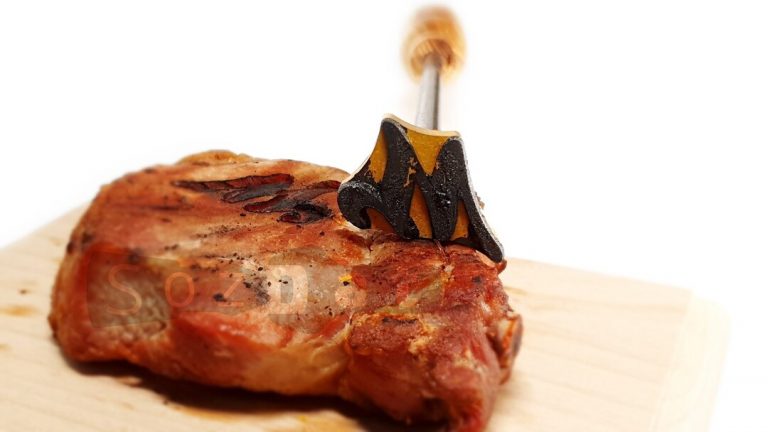
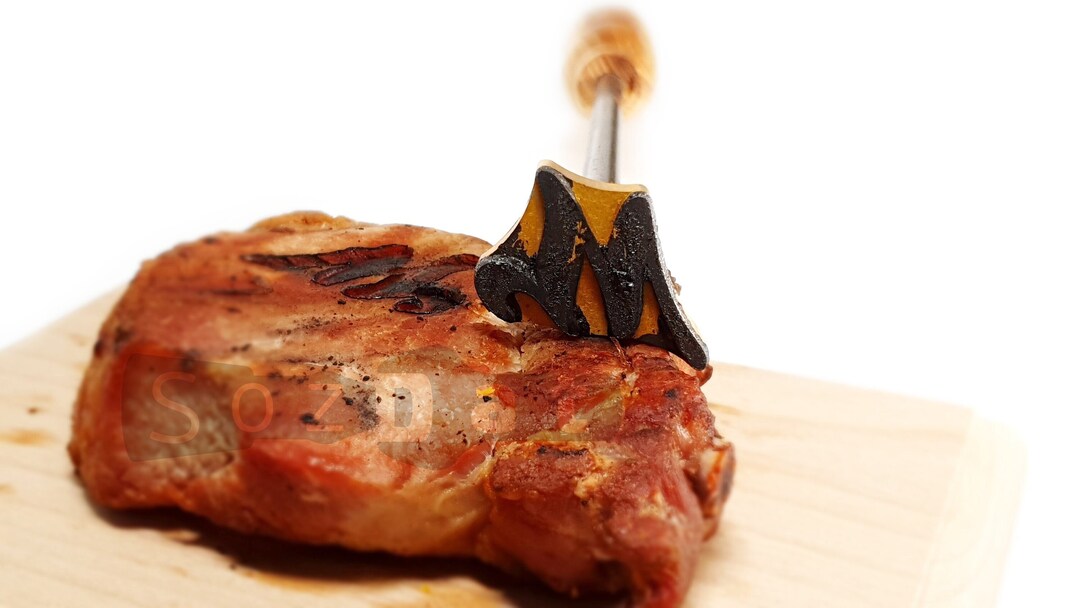
Harrisonville, MO, welcomes a new culinary destination, Branding Iron BBQ. This restaurant distinguishes itself through its innovative use of branding irons in its cooking methods, offering a unique and flavorful experience for meat lovers. The restaurant’s concept blends traditional barbecue techniques with a modern aesthetic, promising a memorable dining experience for the entire community.
This establishment aims to satisfy a craving for high-quality barbecue, utilizing branding irons to create a distinctive cooking process. The restaurant’s meticulous attention to detail extends to its menu, showcasing a variety of meats prepared with this unique method. Furthermore, the restaurant’s atmosphere and design elements will create a memorable ambiance, catering to a wide range of palates.
Introduction to Branding Iron BBQ in Harrisonville, MO
Branding Iron BBQ in Harrisonville, MO, is a local restaurant specializing in smoked meats, prepared with a focus on authentic barbecue techniques. Their unique selling proposition is centered around the use of branding irons, a traditional method of marking and enhancing the aesthetic appeal of their cooked meats. This approach adds a distinct flavor and visual appeal to their offerings, setting them apart from other barbecue restaurants in the area.The restaurant’s culinary philosophy revolves around using high-quality ingredients and traditional barbecue methods to create flavorful and visually appealing dishes.
Their use of branding irons differentiates them in a competitive market, emphasizing both the heritage and artistry of barbecue.
Restaurant’s Unique Selling Proposition (USP)
Branding Iron BBQ distinguishes itself by incorporating the traditional practice of branding irons into their cooking process. This technique not only adds a visually appealing mark to the meats but also contributes a unique flavor profile to the dishes. This approach is a key differentiator for the restaurant, drawing in customers who appreciate the combination of tradition and modern presentation in barbecue.
Historical Context
While specific details about the restaurant’s origins are not readily available, the use of branding irons in barbecue is a long-standing tradition. This practice adds a historical dimension to the restaurant’s offerings, appealing to customers interested in the history and heritage of barbecue. The restaurant’s branding of this traditional technique, however, signifies its modern adaptation to contemporary tastes.
Target Audience
The target audience for Branding Iron BBQ encompasses individuals and families who appreciate high-quality, flavorful food. This includes barbecue enthusiasts, those seeking a unique dining experience, and those interested in local, artisan foods. The restaurant’s focus on traditional methods, combined with its modern presentation, should attract a diverse group of people, including those looking for a memorable culinary experience.
Menu and Branding Iron Focus
Branding Iron BBQ prioritizes a menu that showcases the unique cooking method of using branding irons. These aren’t just decorative pieces; they’re integral to the cooking process, creating a distinct flavor profile and visual appeal. The menu items are carefully crafted to highlight the signature branding iron marks, showcasing both the technique and the resulting deliciousness.
Key Menu Items Featuring Branding Irons
The menu features several dishes where branding irons are a defining characteristic. These aren’t just any items; they are meticulously selected for their ability to complement the branding iron’s distinctive cooking style.
Cooking Methods Associated with Branding Irons
Branding irons are employed for searing and marking meats, imparting a unique texture and flavor. The high heat of the irons creates a crispy exterior while maintaining a juicy interior. This technique often yields a visually appealing, charred crust.
Examples of Meats Traditionally Cooked with Branding Irons
Branding Iron BBQ specializes in grilling various meats, including prime cuts of beef, such as ribeyes, New York strips, and filets. Pork chops and chicken breasts are also featured, offering a diverse selection for guests.
Restaurant’s Approach to Showcasing Branding Iron Aspect on the Menu
The menu clearly highlights the use of branding irons for each dish. Descriptive language and visually appealing images of the branded meats enhance the presentation, emphasizing the unique cooking method and the resulting aesthetic. Descriptions may include phrases like “hand-branded” or “signature sear” to emphasize the technique.
Menu Item, Cooking Methods, and Branding Iron Specifics
| Menu Item | Cooking Method | Branding Iron Specifics |
|---|---|---|
| Branding Iron Ribeye | High-heat sear using a heated branding iron to create a charred crust. | Custom-designed branding iron with a unique pattern applied to the ribeye. |
| Hand-Branded Pork Chops | High-heat sear using a heated branding iron to create a crispy, marked exterior. | Classic branding iron used to create a distinct pattern on the pork chops. |
| Signature Sear Chicken Breast | High-heat sear using a heated branding iron to achieve a charred, flavorful crust. | Custom-designed branding iron used to impart a unique pattern to the chicken breast. |
Restaurant Atmosphere and Experience
Branding Iron BBQ aims to create a welcoming and enjoyable dining experience for all customers, blending a rustic, warm ambiance with the hearty flavors of our barbecue. We envision a space that feels both comfortable and inviting, allowing guests to relax and savor the food and company.Our goal is to transport guests to a friendly gathering around a crackling campfire, but with the convenience and comfort of a modern restaurant.
This atmosphere is achieved through careful design choices, thoughtful service, and a focus on genuine hospitality.
Restaurant Ambiance and Design
The restaurant’s design is deliberately crafted to evoke a sense of rustic charm and warmth. Exposed brick walls, reclaimed wood accents, and strategically placed antique furnishings contribute to a nostalgic, yet contemporary, ambiance. Soft lighting and comfortable seating arrangements ensure a relaxing environment for both intimate gatherings and larger groups. The color palette is muted and warm, using earthy tones and natural materials to complement the overall aesthetic.
The lighting scheme is carefully considered to avoid harsh glare while maintaining a welcoming glow.
Overall Customer Experience
Branding Iron BBQ strives to provide an exceptional dining experience that exceeds expectations. This is achieved through attentive service, friendly staff, and a genuine desire to satisfy each customer. Our staff is trained to be knowledgeable about our menu and attentive to the needs of our guests, ensuring a smooth and pleasant dining experience from start to finish.
Emphasis is placed on creating a welcoming atmosphere where guests feel comfortable, valued, and ready to enjoy their meal.
Role of Branding Iron Imagery and Decor
The branding iron imagery is seamlessly integrated throughout the restaurant’s design, acting as a unifying visual thread. It serves as a subtle yet impactful reminder of the restaurant’s core identity and heritage. Branding iron motifs are incorporated into the décor through wall art, table settings, and even the bar design. This visual consistency creates a cohesive and memorable brand experience for all guests.
The branding iron logo is also subtly featured in the restaurant’s signage, further reinforcing the visual identity.
Unique Service Offerings and Traditions
Branding Iron BBQ values its customers and aims to provide a memorable experience, beyond the food. We believe in fostering a sense of community and celebration. To achieve this, we offer unique service offerings and traditions. Our staff will be encouraged to create a lively but not chaotic environment.
| Ambiance | Decor | Service |
|---|---|---|
| Rustic, warm, inviting | Exposed brick, reclaimed wood, antique furnishings, soft lighting, earthy tones | Attentive, friendly, knowledgeable staff, focus on satisfying each customer |
Branding Strategy for the Restaurant
Branding Iron BBQ aims to establish a strong and recognizable identity that resonates with the Harrisonville community and attracts customers seeking high-quality barbecue. The brand strategy will emphasize the restaurant’s commitment to fresh, locally-sourced ingredients, its dedication to exceptional service, and its unique barbecue recipes.The branding will be tailored to create a warm and inviting atmosphere, fostering a sense of community and enjoyment for all visitors.
This strategy will position Branding Iron BBQ as a premier barbecue destination in Harrisonville, setting it apart from competitors.
Brand Identity
The brand identity of Branding Iron BBQ will be built around a robust visual representation, encompassing the logo, color scheme, and typography. This visual language will consistently reflect the restaurant’s personality and values, fostering brand recognition and customer loyalty.
Logo
The logo will feature a stylized branding iron, perhaps with a subtle barbecue-related element, like a flame or a smoky effect, to represent the restaurant’s core offering. The logo should be versatile, adaptable to various applications, from signage to menus to social media profiles. A simple, memorable design is key.
Colors
The color palette will reflect the restaurant’s warm and inviting ambiance. A primary color of rich, deep red or burnt orange will evoke the essence of barbecue and fire. Secondary colors like a deep, smoky gray or a warm, earthy tone will complement the primary color, enhancing the overall visual appeal. These colors will be used consistently across all branding materials to maintain visual cohesion.
Fonts
The typography should project a sense of authenticity and robustness. A bold, slightly rustic script font for the restaurant name and a more modern, legible sans-serif font for menu items will create a visual balance. The chosen fonts should enhance the brand’s message and complement the overall aesthetic.
Comparison with Competitors
Local barbecue restaurants often rely on traditional branding elements. Branding Iron BBQ aims to differentiate itself by highlighting its use of locally sourced ingredients and its commitment to creating unique barbecue recipes, offering a more contemporary take on the classic barbecue experience. The focus on a warm and inviting atmosphere will also be a key differentiator.
Brand Messaging
The brand messaging will center on the experience of enjoying delicious, high-quality barbecue in a welcoming environment. Potential taglines include: “Harrisonville’s Best Barbecue,” “Where Flavor Meets Family,” or “Your New BBQ Home.”
Potential Brand Extensions
Future brand extensions could include a catering service, offering barbecue for events and gatherings. A line of branded barbecue sauces, rubs, or other related products could also be explored. The possibility of a merchandise line with Branding Iron BBQ apparel or accessories might also appeal to the customer base.
Brand Identity Summary
| Element | Description |
|---|---|
| Logo | Stylized branding iron with barbecue-related detail. |
| Colors | Rich red/burnt orange, smoky gray/earthy tone. |
| Fonts | Bold, rustic script for name; modern sans-serif for details. |
| Tagline | Examples: “Harrisonville’s Best Barbecue,” “Where Flavor Meets Family.” |
Customer Engagement and Feedback
Building strong customer relationships is crucial for the success of Branding Iron BBQ. Active engagement and a proactive approach to gathering and responding to feedback will foster loyalty and drive repeat business. This section details strategies for achieving these goals.
Customer Engagement Strategies
Effective customer engagement strategies build lasting relationships. These methods go beyond simply taking orders; they cultivate a community around the restaurant. This includes utilizing various platforms and tools to foster a sense of connection and shared experience.
- Social Media Engagement: Active presence on platforms like Facebook, Instagram, and Twitter allows for direct interaction with customers. Responding to comments, running contests, and sharing engaging content builds a loyal following and provides valuable insights into customer preferences.
- Loyalty Programs: Implementing a rewards program incentivizes repeat visits and fosters customer loyalty. Points, discounts, and exclusive offers encourage customers to return and create a sense of appreciation for their patronage.
- Email Marketing: Email newsletters can be used to keep customers informed about new menu items, special events, and promotions. This allows for targeted communication and strengthens the relationship with returning customers.
- Feedback Forms and Surveys: Providing easy-to-access feedback forms or surveys on the restaurant website or within the dining area gathers valuable customer input. Surveys can ask about everything from the quality of food to the cleanliness of the establishment to service experiences.
- In-Person Interactions: Friendly and attentive service creates a positive dining experience. Staff members should be trained to engage with customers, actively listen to their feedback, and resolve any issues promptly. Prompt and attentive service is essential for customer satisfaction.
Gathering Customer Feedback
Regular feedback collection is vital for understanding customer satisfaction and identifying areas for improvement. This ensures the restaurant remains relevant and appealing to its clientele.
- Online Review Platforms: Monitoring and responding to online reviews on sites like Yelp, Google My Business, and TripAdvisor is critical. Positive reviews can be shared, and negative feedback should be addressed constructively to show customers that their opinions are valued.
- Feedback Forms: Placing feedback forms at tables or on the restaurant website encourages customers to share their experiences. Simple forms focused on key aspects of the dining experience, like service, food quality, and atmosphere, can yield insightful data.
- Staff Feedback Collection: Encouraging staff to actively listen to customer concerns and report them to management provides valuable real-time insights. A system for capturing these insights should be in place.
Responding to Customer Feedback
A proactive approach to addressing customer feedback demonstrates that the restaurant values its patrons. This fosters a sense of trust and loyalty.
- Responding to Reviews: Addressing both positive and negative reviews promptly and professionally demonstrates a commitment to customer satisfaction. Acknowledging positive feedback reinforces positive experiences. Addressing concerns with empathy and offering solutions is crucial for retaining customers.
- Implementing Changes: Using feedback to implement changes in service, menu items, or the dining experience shows customers that their input is considered. This can lead to improvements in areas that need refinement.
Importance of Customer Reviews and Testimonials
Customer reviews and testimonials serve as valuable marketing tools and provide social proof. They showcase the quality of service and food, influencing potential customers’ decisions.
- Social Proof: Positive reviews build trust and credibility, encouraging potential customers to choose Branding Iron BBQ over competitors. Testimonials from satisfied customers act as social proof.
- Marketing Tool: Positive reviews and testimonials can be effectively used in marketing materials, highlighting the restaurant’s strengths and attracting new customers.
Collecting Customer Feedback from Online Platforms
Regular monitoring of online platforms is essential for timely feedback collection. This allows the restaurant to address issues quickly and effectively.
- Automated Systems: Utilizing review management software can automate the process of monitoring reviews and responding to feedback across various platforms. This helps the restaurant stay informed about customer experiences and engage with them in a timely manner.
- Dedicated Team Member: Assigning a team member to actively monitor online reviews and feedback platforms is essential. This ensures prompt responses to inquiries and concerns.
Customer Engagement Strategy Effectiveness Table
| Strategy | Description | Effectiveness Metrics (Example) |
|---|---|---|
| Social Media Engagement | Active posting, responding to comments | Increased follower count, higher engagement rates, improved brand perception |
| Loyalty Programs | Rewarding repeat customers | Higher customer retention rate, increased average order value, positive customer feedback |
| Email Marketing | Targeted communication | Improved brand recall, increased customer response to promotions, higher conversion rates |
Competitor Analysis
Understanding the competitive landscape in Harrisonville, MO is crucial for Branding Iron BBQ’s success. This analysis identifies key competitors, assesses their strengths and weaknesses, and examines their pricing strategies. This allows Branding Iron BBQ to differentiate itself and target the right market segments.
Direct Competitors
Harrisonville boasts several restaurants offering similar barbecue fare. Direct competitors often have overlapping customer bases and are vying for the same clientele. Identifying these direct competitors helps Branding Iron BBQ understand its position within the local market.
- Local BBQ Joints: Several family-owned barbecue restaurants in Harrisonville likely offer a variety of barbecue styles, including ribs, pulled pork, and brisket, alongside sides. These establishments are usually locally popular, catering to a community-focused clientele.
- Casual Dining Chains: Fast-casual restaurants specializing in barbecue, like some national or regional chains, may offer a more standardized experience, potentially attracting a broader customer base with slightly more affordable pricing.
Indirect Competitors
Indirect competitors offer alternatives that appeal to a similar customer segment. These establishments don’t explicitly sell barbecue but may attract customers looking for a casual dining experience. These competitors can influence the overall market dynamics.
- Other Casual Eateries: Restaurants specializing in different cuisines or offering diverse options might draw away customers seeking various dining experiences. This includes family-style restaurants, burger joints, and casual eateries offering sandwiches and salads.
- Grocery Stores with Prepared Food: Grocery stores with prepared barbecue options or catering services are indirect competitors, offering convenience and potentially lower-priced meals for certain occasions.
Branding and Marketing Strategies
Examining competitor branding and marketing strategies reveals their target audience and marketing approaches. This provides insights into potential gaps or areas where Branding Iron BBQ can differentiate itself.
- Emphasis on Traditional vs. Modern: Some competitors may heavily emphasize traditional barbecue techniques and recipes, while others may lean towards more modern interpretations or variations. This reflects their chosen brand identity.
- Social Media Presence: The extent and type of social media presence (e.g., Facebook, Instagram, TikTok) can influence a restaurant’s reach and engagement with potential customers. An active social media presence often correlates with higher visibility.
Strengths and Weaknesses of Competitors
Analyzing competitor strengths and weaknesses reveals opportunities for Branding Iron BBQ to capitalize on shortcomings or address potential challenges.
- Customer Service: Exceptional customer service is often a significant strength, creating loyalty and positive word-of-mouth. Poor service can be a considerable weakness.
- Food Quality: The quality and taste of the food are crucial factors in determining customer satisfaction and repeat business. Consistent quality is a strength, while inconsistent quality is a weakness.
Pricing Strategies
Pricing strategies influence perceived value and competitiveness. Understanding competitor pricing is vital for positioning Branding Iron BBQ appropriately.
- Value-Based Pricing: Some competitors may focus on offering value-based pricing, providing good food at a competitive price point. Others may opt for a premium pricing strategy based on perceived quality or exclusivity.
- Menu Structure: Menu offerings play a significant role in pricing strategies. A wider selection of items or options can lead to a higher price range, while a more streamlined menu may offer a more affordable option.
Competitor Analysis Table
| Competitor | Strengths | Weaknesses | Pricing Model |
|---|---|---|---|
| Local BBQ Joint A | Strong local reputation, family-oriented atmosphere | Limited menu variety, potentially slower service | Mid-range, value-oriented |
| Casual BBQ Chain B | Wider reach, standardized quality | Less personalized experience, potential for higher prices | Variable, depending on specific location |
| Restaurant C (different cuisine) | Established brand, diverse menu | Potentially less emphasis on barbecue expertise | Variable, based on menu item |
Local Market Analysis
Harrisonville, MO, presents a promising market for a new BBQ restaurant, with a mix of established dining options and untapped potential. Understanding the local demographics, culinary preferences, and cultural nuances is crucial for tailoring the Branding Iron BBQ experience to resonate with the community. A comprehensive analysis of the local market will allow for a strategic approach to attract and retain customers.
Target Audience Demographics
Harrisonville’s population demographics are key to understanding potential customer preferences. The local population is largely comprised of families and young professionals, with a notable presence of retirees. This suggests a varied customer base, including those seeking casual family meals, and individuals seeking high-quality, satisfying dining experiences. This diverse demographic allows for various menu options and pricing strategies to cater to the different needs and budgets of the target market.
Culinary Trends and Preferences
The culinary landscape of Harrisonville reflects a mix of traditional American fare and evolving preferences. A significant portion of the community favors classic comfort foods, particularly BBQ. There is a growing interest in locally sourced ingredients and innovative culinary approaches, particularly among younger demographics. This necessitates offering a menu that satisfies both traditional tastes and those seeking more contemporary flavor profiles.
Local Culture and Brand Incorporation
Harrisonville boasts a strong sense of community and a rich history. This local culture can be reflected in the restaurant’s branding and atmosphere. By highlighting local partnerships, showcasing local artists or musicians, and using locally-sourced ingredients where possible, the restaurant can further integrate itself into the community fabric. This approach fosters a sense of belonging and creates a positive image within the Harrisonville community.
Market Analysis Summary
| Category | Description |
|---|---|
| Demographics | Predominantly families, young professionals, and retirees. A diverse base with varied needs and preferences. |
| Culinary Trends | A mix of traditional American fare and evolving preferences. Growing interest in locally sourced ingredients and innovative culinary approaches. |
| Local Culture | Strong sense of community and history. Opportunity to integrate local partnerships, artists, and ingredients into the brand. |
Marketing and Promotion Strategies
Attracting customers to Branding Iron BBQ requires a multifaceted approach that leverages various marketing channels and strategies. A well-defined marketing plan, incorporating online and local outreach, will be crucial in establishing the restaurant’s presence and building a loyal customer base in Harrisonville, MO.Effective marketing will not only drive initial customer traffic but also foster repeat business through positive experiences and consistent brand messaging.
Potential Marketing Strategies
A comprehensive marketing strategy will utilize multiple channels to maximize visibility and reach a broad customer base. This involves targeted advertising, engaging social media content, strategic partnerships, and a robust online presence.
- Public Relations and Media Outreach: Building relationships with local media outlets is essential. Issuing press releases about new menu items, special events, or community involvement can generate positive media coverage and attract new customers.
- Community Engagement: Partnering with local events, sponsoring community initiatives, and participating in festivals can increase brand visibility and build goodwill within the community. This can be particularly effective in a small town like Harrisonville, MO.
- Loyalty Programs: Implementing a loyalty program that rewards repeat customers with discounts, exclusive offers, or early access to promotions can foster brand loyalty and encourage repeat visits.
- Targeted Advertising: Utilizing targeted advertising on social media platforms and local online directories can help reach specific demographics and increase the restaurant’s visibility within the community.
Social Media Campaigns
Social media platforms offer valuable opportunities for direct engagement with potential customers. A consistent presence and engaging content are key to building a strong brand identity and driving traffic to the restaurant.
- Content Calendar: A well-structured content calendar ensures consistent posting of high-quality photos and videos of the food, the restaurant’s ambiance, and behind-the-scenes glimpses. This will create a visually appealing feed and build excitement around the restaurant.
- Behind-the-Scenes Content: Sharing stories about the food preparation process, chef interviews, and the restaurant’s history can foster a sense of community and authenticity, attracting customers who appreciate transparency and care.
- Interactive Contests and Giveaways: Contests and giveaways on social media can create buzz and attract new followers. Offering a free meal or gift certificates can incentivize engagement and attract new customers.
- User-Generated Content: Encouraging customers to share their experiences with the restaurant through photos and reviews can create organic marketing and testimonials. Highlighting these customer-generated posts can build trust and credibility.
Local Partnerships and Collaborations
Building relationships with local businesses can expand the restaurant’s reach and create synergistic marketing opportunities.
- Local Businesses: Partnering with complementary businesses like breweries, wineries, or other restaurants can lead to cross-promotion opportunities. Joint promotions, bundled offers, or reciprocal advertising can expose the Branding Iron BBQ to a wider customer base.
- Local Event Sponsorships: Sponsoring local events, such as festivals, concerts, or sports competitions, can significantly increase brand visibility and establish the restaurant as a key part of the community.
- Community Organizations: Partnering with schools, charities, or community organizations can strengthen the restaurant’s ties to the community and attract customers who value supporting local initiatives.
Online Marketing Strategies
A strong online presence is essential for attracting customers in today’s digital world. The restaurant’s website, online ordering system, and search engine optimization () play a critical role in reaching potential customers.
- Website Optimization: A well-designed website with clear navigation, high-quality images, and detailed menu information is crucial. The website should also include online ordering capabilities to streamline the customer experience and facilitate easy ordering.
- Online Ordering System: Implementing a user-friendly online ordering system can significantly enhance customer convenience and increase sales, especially for takeout and delivery orders.
- Search Engine Optimization (): Optimizing the website and online content for relevant s can improve search engine rankings, driving organic traffic to the restaurant’s website.
Marketing Channel Impact
A table outlining potential marketing channels and their impact on the restaurant’s customer base.
| Marketing Channel | Potential Impact |
|---|---|
| Social Media Marketing | Increased brand awareness, direct customer engagement, and driving traffic to the restaurant. |
| Local Partnerships | Expanded reach, increased visibility within the community, and potential for cross-promotion opportunities. |
| Online Ordering System | Enhanced customer convenience, increased sales, and streamlined order processing. |
| Website Optimization | Improved online visibility, user experience, and increased website traffic. |
| Public Relations | Positive media coverage, enhanced brand image, and attracting new customers. |
Future Growth and Expansion
Branding Iron BBQ aims for sustainable growth, focusing on quality and consistency while expanding its reach. The strategy encompasses various avenues for future development, from new locations to innovative product lines and potentially exploring partnerships or franchising opportunities. A clear roadmap will be crucial to maintain the core brand identity while adapting to market demands and ensuring long-term success.Maintaining a high level of quality and consistent service is paramount to the brand’s success, regardless of expansion plans.
This includes meticulous attention to food preparation, staff training, and customer service. The restaurant’s brand integrity will be preserved by upholding its core values and culinary philosophy.
Potential Expansion Avenues
The restaurant will explore different avenues for expansion. These options include new physical locations, new product lines, and potentially franchising opportunities. Careful market research will determine the optimal path for expansion, balancing growth with maintaining the current high standards of service and quality.
- New Locations:
- Expanding to nearby cities and towns, targeting areas with high population density and similar demographics.
- Evaluating locations based on market research and competitive analysis.
- Developing strategic partnerships with local businesses for mutual benefit.
- Product Line Diversification:
- Introduction of new menu items while keeping the core barbecue menu consistent.
- Exploring complementary food items, such as sides, desserts, or specialty drinks, to cater to a wider customer base.
- Introducing catering services to expand the customer base and generate additional revenue streams.
- Franchising/Partnerships:
- Assessing the feasibility of franchising to replicate the restaurant’s success in other areas.
- Exploring strategic partnerships with local distributors or suppliers.
- Identifying potential franchisees with a strong commitment to the brand’s values and a proven track record.
Maintaining Brand Integrity
Brand integrity is crucial for long-term success. A clear set of brand guidelines will ensure consistent messaging and service, regardless of expansion efforts. Training programs will be implemented to maintain high quality across all locations or franchise units.
- Standardized Recipes and Procedures:
- Maintaining consistent recipes and preparation methods for all menu items, regardless of location or franchisee.
- Developing comprehensive staff training programs.
- Brand Guidelines and Standards:
- Creating a comprehensive set of brand guidelines, including visual identity (logo, colors, fonts), messaging, and customer service protocols.
- Ensuring consistency in the brand’s presentation and messaging across all platforms.
- Regular Quality Control Audits:
- Implementing regular quality control checks in all locations to maintain consistency.
- Providing ongoing support to franchisees to ensure adherence to brand standards.
Potential Roadmap for Future Development
A phased approach will guide the restaurant’s expansion. This roadmap will address new locations, product lines, and franchising/partnerships. The initial phase will focus on optimizing the existing location’s efficiency and profitability.
- Phase 1 (Year 1): Focus on optimizing the existing Harrisonville location’s operations and efficiency, increasing customer satisfaction, and refining the menu.
- Phase 2 (Year 2-3): Evaluate potential locations for a second location and initiate the necessary research and development for a new product line or catering service.
- Phase 3 (Year 4-5): Initiate the franchising process or seek strategic partnerships based on successful results from the previous phases, while maintaining the core brand identity.
Closing Notes
Branding Iron BBQ in Harrisonville, MO, emerges as a compelling culinary option. The restaurant’s dedication to using branding irons sets it apart from competitors. The establishment’s thoughtful approach to menu development, ambiance, and customer engagement suggests a strong commitment to quality and a positive customer experience. Ultimately, the restaurant aims to be a local favorite for barbecue enthusiasts.
Helpful Answers
What makes Branding Iron BBQ unique?
Branding Iron BBQ’s distinctive feature is its use of branding irons for cooking, which imparts a unique flavor and texture to the meats.
What types of meats are cooked with branding irons?
The restaurant typically uses various meats, including beef, pork, and chicken, showcasing their versatility with branding irons.
Are there any special events or promotions?
Check the restaurant’s website or social media for details on special events, promotions, or seasonal menu offerings.
What is the restaurant’s price range?
The price range will be comparable to other barbecue restaurants in the area.